background

Blog

What Are the Main Types of Green Energy Solutions?

Green energy solutions are technologies that generate, store, or help manage energy with lower emissions than conventional fossil-fuel systems. Their benefits depend on where they are installed, how they are built, and what energy source they replace. As energy-efficiency expert Amory Lovins has put it, “The cheapest energy is the energy you don’t use.” That idea matters: reducing demand can make clean power go further.

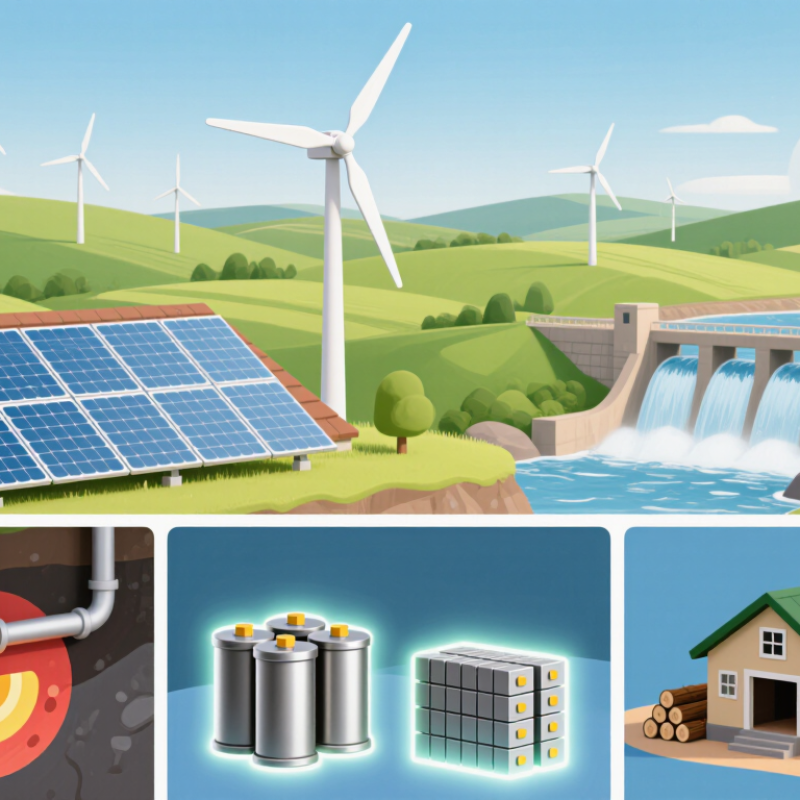
This guide introduces the main types of green energy solutions and the roles they play. Solar panels turn sunlight into electricity, while solar thermal systems capture heat. Wind turbines use moving air; hydropower draws on flowing water. Geothermal systems tap heat beneath the ground, and sustainably sourced biomass can provide heat or fuel. Each option has limits. A wind farm needs suitable wind and space; a hydropower project can change river habitats. There is no perfect fit.

We’ll also look at batteries and other storage systems, which help balance supply when sunlight or wind fluctuates. Storage is not a source of energy, though. That distinction is easy to miss. Rooftop solar, community wind, heat pumps, and smart grids can serve different needs, from one home to an entire region. The right choice depends on local resources, costs, reliability, and environmental trade-offs. Even a well-designed system can fall short if those details are ignored.
What Are the Main Types of Green Energy Solutions?

Solar Energy Solutions

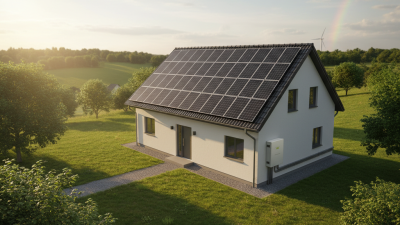
Solar energy solutions turn sunlight into electricity through photovoltaic panels, usually installed on a roof or ground-mounted frame. On a clear afternoon, panels produce more power; clouds reduce output but do not always stop it. Roof shade matters. A chimney, nearby tree, or dormer can cast shadows across a few panels and lower system performance.

Before choosing equipment, homeowners should review roof condition, sun exposure, electricity use, and seasonal weather. An energy assessment can estimate annual production, though forecasts are not guarantees.

Grid-connected systems send surplus electricity to the utility when production exceeds household demand, depending on local arrangements. Battery storage can hold some daytime energy for evening use or brief outages. It adds cost and needs suitable space.

Panels often need little routine care, yet dust, leaves, and snow can reduce output. Checking monitoring data and arranging safe inspections can help catch connection problems or unusual drops in production.

Not every roof is a good fit. A modest system may be wiser than covering every available surface, especially when future electricity needs are uncertain. Payback depends on installation costs, energy prices, incentives, and actual sunlight, so compare written estimates carefully.

Wind Energy Solutions

Wind energy solutions turn moving air into electricity through turbines on land or offshore. Their blades rotate a shaft, and a generator converts that motion into power. Site selection matters: steady winds, access roads, grid connections, and distance from homes all affect performance. A ridge may look ideal, but turbulence can reduce output. Wind is renewable, yet production varies with weather. It cannot provide constant power on its own.

Onshore projects are generally simpler to build and maintain, while offshore turbines can access stronger, steadier winds. They also need specialized foundations, undersea cables, and careful marine planning. Smaller turbines may suit farms, remote facilities, or community systems when local wind data supports the investment. Pairing wind with solar, storage, or flexible electricity demand can smooth fluctuations. Still, gaps remain. Project diagrams rarely show every maintenance challenge; crews need safe access, and aging components may need replacement.

Tips: Check wind measurements across seasons, not just during a windy week. Ask how a project handles noise, wildlife monitoring, and blade disposal or recycling. Compare expected annual output with local electricity needs. A modest turbine can still be a poor fit. Have an independent engineer review the wind assessment and grid connection before committing.

What Are the Main Types of Green Energy Solutions? - Wind Energy Solutions

Wind Energy Solution Typical Setting Indicative Project Scale How It Generates Electricity Key Advantages Main Considerations
Onshore wind farms Windy land areas, including plains, ridgelines, and open agricultural regions Multiple utility-scale turbines; modern land-based turbines commonly have rated capacities of several megawatts each Rotor blades capture wind energy and turn a generator; electricity is collected and delivered to the grid through electrical equipment and transmission lines. Established technology; can be built in stages; land between turbines may remain available for farming or grazing. Output varies with wind conditions. Projects require suitable sites, grid access, permits, and assessment of noise, views, wildlife, and nearby communities.
Fixed-bottom offshore wind Marine sites in relatively shallow water, where foundations can be secured to the seabed Large projects with many high-capacity turbines; individual offshore turbines are generally larger than typical land-based units Wind turns turbine rotors at sea. Subsea cables carry electricity to an offshore connection point and onward to the onshore grid. Offshore winds can be strong and relatively consistent; large project areas can support substantial electricity generation. Construction and maintenance require marine vessels and specialized equipment. Costs, seabed conditions, cable routes, ecosystems, and shipping activity need careful consideration.
Floating offshore wind Deeper waters where fixed-bottom foundations are not practical Projects use turbines mounted on floating platforms, held in place by mooring lines and anchors; commercial deployment is less mature than fixed-bottom offshore wind. Floating platforms support wind turbines, while mooring systems maintain position and subsea cables connect the project to the grid. Can access strong wind resources in deeper waters and may expand the range of coastlines suitable for offshore wind. Platform, mooring, cable, port, and installation requirements are complex. Costs and supply-chain needs remain important development considerations.
Small and distributed wind Rural properties, farms, remote facilities, campuses, and other sites with adequate wind exposure Single turbines or small groups; system size depends on the electricity demand, site, and local rules A turbine supplies electricity directly to a building or local system, or connects to the grid where regulations and equipment allow. Can serve local electricity needs and, in suitable locations, complement solar power or other energy sources. Performance depends strongly on unobstructed wind and appropriate turbine height. Site assessment, zoning, safety clearances, and maintenance are essential.
Hybrid wind systems Grid-connected or remote sites combining wind with solar, storage, or other generation Scale ranges from local systems to utility-scale projects, depending on the resources and electricity demand Wind turbines operate alongside other technologies; controls and, where included, batteries help coordinate supply and demand. Combining resources can diversify electricity supply and may reduce reliance on a single generation source. System design must account for variable generation, storage limits, grid requirements, operating controls, and project economics.

Note: Turbine size, energy output, and project performance vary by technology, wind resource, site conditions, and design. Wind power is variable, so grid connection, forecasting, flexible demand, storage, or other generation may be used to balance electricity supply.

Hydropower and Marine Energy Solutions

What Are the Main Types of Green Energy Solutions?

Hydropower and Marine Energy Solutions

Hydropower uses flowing or stored water to generate electricity. Reservoirs can also help balance wind and solar output when clouds or calm weather reduce generation. The International Energy Agency’s Hydropower Special Market Report 2021 estimated that hydropower supplied about 16% of global electricity in 2020. Its dependable output is valuable, but dams can alter river habitats, fish migration, and community water access. The trade-off is real.

Marine energy captures tides, waves, or ocean temperature differences. Tidal currents are predictable, while wave output varies with weather and location. The IEA Ocean Energy Systems Annual Report 2023 describes a sector still developing beyond demonstration projects. That means costs, maintenance, and environmental effects need careful site-specific assessment. A promising coastline is not automatically a suitable project site.

Tips: Check river-flow records, seasonal tides, and local ecological studies before comparing options. Ask how equipment will be maintained in wet, salty conditions. Small details matter. Even strong data cannot remove every uncertainty, so plans should include monitoring and room to adjust.

Geothermal Energy Solutions

Geothermal Energy Solutions

Geothermal energy solutions use the earth’s relatively stable underground temperature to heat and cool buildings. A ground-source heat pump circulates fluid through buried pipes, then transfers heat between the ground and the indoor space. In winter, it draws warmth from the soil; in summer, it moves indoor heat underground.

The system uses electricity, so it is not entirely emission-free, but it can use less energy than conventional heating and cooling equipment. It is not magic.

Installation depends on the property. A contractor needs to assess soil conditions, available yard space, local climate, and the building’s heating demand. Horizontal loops may suit a roomy lot, while vertical loops require less surface area but involve drilling.

Upfront costs can be substantial, and savings vary with electricity prices, system design, and installation quality. Even a well-designed system may disappoint if the home has poor insulation. That part is easy to overlook.

Tips:

Ask for a site-specific heat-loss assessment and a clear estimate of drilling, equipment, and maintenance costs. Check that the proposed loop layout fits your land. Keep the filter clean, and have the system inspected as recommended.

Bioenergy Solutions

Bioenergy converts organic material into heat, electricity, biogas, or liquid fuels. Feedstocks include manure, food-processing residues, forestry by-products, and crop waste. In a working farm digester, slurry enters a sealed tank and produces methane-rich gas. That gas can heat a nearby building or generate power. It is practical, but not automatic.

The International Energy Agency’s Renewables 2023 report projected modern bioenergy use would grow 32% from 2022 to 2028, reaching 5.2 exajoules. That growth depends on reliable feedstock collection and careful processing. The IPCC Sixth Assessment Report notes that bioenergy’s climate impact depends on factors including land-use change and lifecycle emissions. A useful reality check. Burning a residue may replace fossil fuel, but transporting wet material over long distances can weaken the benefit.

I would not treat every “waste” stream as harmless. Removing too much crop residue can leave soil exposed and reduce organic matter. Digesters also need maintenance, gas-leak checks, and a plan for nutrient-rich digestate. Small details matter. A local project using nearby manure or food waste may make more sense than one relying on distant feedstocks. Strong assessments compare emissions across the whole supply chain, not just at the burner.