What Are the Best Sustainable Energy Solutions from China?
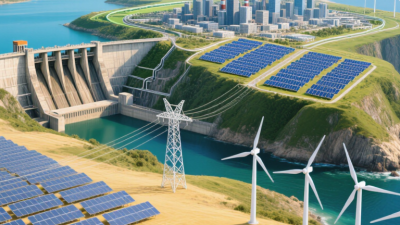
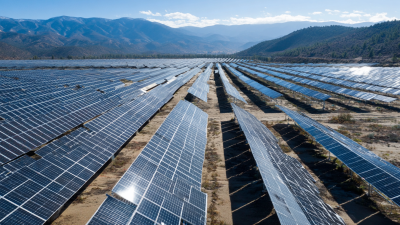
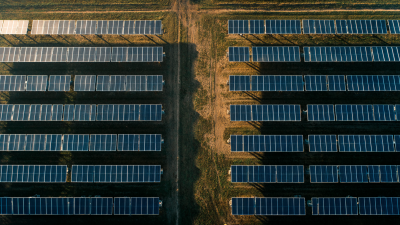
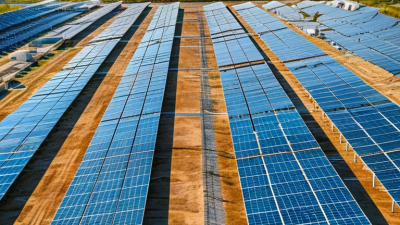
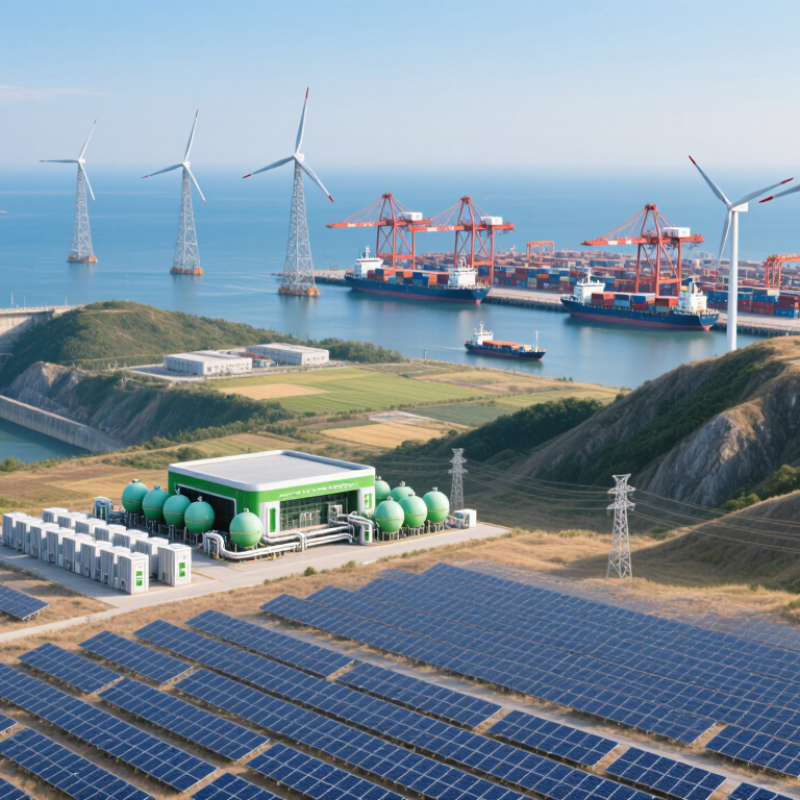
China’s energy transition is reshaping how the world thinks about scale, cost, and clean power. Its solar farms stretch across dry plateaus, while offshore wind turbines rise beyond busy coastal ports. These projects make China a major case study in sustainable energy solutions.
IEA Executive Director Fatih Birol has said, “China is leading the world in clean energy investment.” That leadership is visible in solar panels, wind equipment, batteries, and electric-grid development. The technologies work together, but they do not solve every problem on their own. Power still needs to reach homes and factories when the sun sets or winds weaken.
The country’s hydropower facilities can balance some fluctuations, while battery storage is expanding. Green hydrogen may help industries that are difficult to electrify, though costs and infrastructure remain challenges. The details matter. A solar project’s value depends on where it is built, how land is used, and whether local grids can absorb its output.
There is no perfect blueprint. Some projects may create pressure on landscapes or supply chains, and rapid growth can obscure those trade-offs. That deserves scrutiny. This article examines China’s leading options, their practical strengths, and the limits readers should weigh before calling any solution truly sustainable.
Defining Sustainable Energy Solutions in China
What Are the Best Sustainable Energy Solutions from China?
Defining Sustainable Energy Solutions in China
Defining sustainable energy solutions in China means looking beyond whether a technology produces electricity without burning fuel. A useful assessment considers its full lifecycle, local environmental effects, reliability, and affordability. Solar panels and wind turbines can reduce operational emissions, but materials, manufacturing, land use, and end-of-life recycling also matter. The grid matters, too. Clean power is less useful if it cannot reach homes and factories when needed.
China’s regions have different energy needs and resources. Sun-rich areas may suit solar farms, while windy regions can support wind generation. Hydropower, energy storage, stronger transmission networks, and efficiency upgrades can help balance supply. No single definition fits every province. That is worth remembering. A project that works well in one location may create land or water pressures elsewhere, and published estimates may not capture every local trade-off.
Tips: Compare lifecycle emissions, not just operating emissions. Check how a project affects nearby communities, wildlife, and water. Ask whether storage and grid connections are planned alongside new generation. Look for clear monitoring data, and treat impressive forecasts with care.
A more sustainable system combines clean generation with practical demand reduction, building efficiency, and electrification where suitable. Progress should be measured over time, using transparent data on emissions, reliability, costs, and environmental impacts. The definition is useful only when those outcomes can be checked.
What Are the Best Sustainable Energy Solutions from China?
China’s installed renewable power capacity by source at the end of 2023
Solar and wind were the largest renewable capacity categories, while hydropower remained a major source. Installed capacity measures potential output, not electricity actually generated.
Source: China National Energy Administration, 2023 year-end renewable energy statistics. Values are rounded.
China’s Leading Renewable Energy Technologies
What Are the Best Sustainable Energy Solutions from China?
China’s Leading Renewable Energy Technologies
China’s leading renewable technologies work best as a connected system. IRENA’s Renewable Capacity Statistics 2024 reports that China added about 297.6 GW of renewable capacity in 2023. The National Energy Administration recorded 216.9 GW of new solar capacity that year. Rooftop panels can supply factories and homes, while utility-scale projects need transmission lines to deliver power. Impressive numbers.
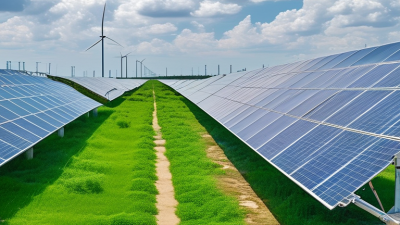
Wind power complements solar, often generating at different hours or seasons. The IEA’s Special Report on Solar PV Global Supply Chains says China holds over 80% of global manufacturing capacity across key solar supply-chain stages. That scale can support lower costs, but concentrated production also brings supply risks. Batteries, pumped-storage hydropower, and stronger grids can help balance variable generation. Still, installed capacity is not the same as dependable electricity. Curtailment and local grid limits matter, and the picture is not always neat.
Tips: Check annual generation, grid access, storage needs, and recycling plans—not just rated capacity. Ask for site-specific solar or wind data. Small details matter.
How Energy Storage and Smart Grids Support Renewable Power
China’s renewable energy challenge is not simply building more solar panels and wind farms. Power must arrive when homes and factories need it. A battery system can store surplus electricity at noon, then release it after sunset. At a windy site, storage can also smooth sudden drops in output. That matters. It reduces pressure on the grid, though batteries cannot solve every mismatch.
Smart grids help coordinate this changing supply. Sensors and forecasting tools can show where demand is rising and where renewable power is available. Operators can then adjust flows, while flexible users shift some electricity use to quieter hours. In practice, a neighborhood battery beside a transformer may ease local congestion. The fit is imperfect. Batteries cost money, need materials, and lose some energy during charging and discharge. Grid upgrades, clear operating data, and careful planning are just as important as storage capacity. A useful system balances these parts rather than treating any single technology as a cure.
Environmental and Economic Impacts of China’s Energy Transition
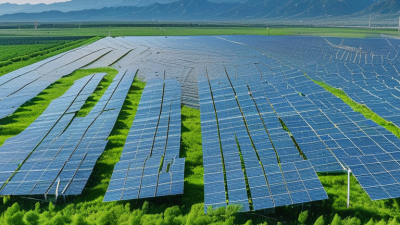
China’s energy transition is changing both the air people breathe and the cost of producing electricity. Vast solar fields and wind farms now supply power across many provinces. On a clear afternoon, panels can generate heavily, while cloudy evenings bring a different challenge.
Transmission lines and storage help move renewable electricity to where it is needed, but they take time and investment to build. Cleaner power can reduce coal use and the air pollution linked to burning it. The benefits are real, though not automatic.
Mining materials, manufacturing equipment, and disposing of old panels also carry environmental costs. There is no perfect fix. Economically, renewable projects support jobs in construction, manufacturing, and grid operations. They can also lower exposure to volatile fuel prices.
Yet workers and towns tied to coal may face falling incomes unless new opportunities arrive nearby. Households, meanwhile, may not feel lower costs immediately; upgrades to grids and storage can appear on electricity bills.
China’s progress is substantial, but its pace can obscure uneven local impacts. A more careful measure of success includes cleaner air, reliable power, and a fair path for communities through change.
Challenges and Criteria for Evaluating Sustainable Energy Solutions
China’s solar, wind, hydropower, and storage projects should be judged by more than installed capacity. The IEA’s Renewables 2023 report says China was expected to provide nearly 60% of global renewable capacity additions that year. That scale is significant. It also makes grid connection, flexible power, and transmission capacity essential evaluation criteria. A windy ridge or sunlit rooftop is not useful at full output if the local grid cannot absorb the electricity.
Cost comparisons need care. IRENA’s Renewable Power Generation Costs in 2023 reported global average generation costs of about 4.4 US cents per kilowatt-hour for utility-scale solar and 3.3 cents for onshore wind. These figures do not capture every local expense. Assess projects using lifecycle costs, storage, grid upgrades, land use, water demand, and emissions from equipment manufacturing. A low bid can hide costs shifted to communities or future maintenance.
Reliability also matters. Check how a project performs across seasons, extreme weather, and hours of low sun or wind. Look for transparent data on curtailment, battery lifespan, recycling, and supply-chain impacts. Small details count: a battery’s temperature control, or a transmission line delayed by difficult terrain. A tidy scorecard can still miss these conditions. That deserves scrutiny.