For global buyers, solar panel installation is no longer only an environmental choice. It can reduce exposure to rising electricity prices and strengthen household energy planning. Yet the value depends on location, roof design, sunlight, equipment quality, and local regulations. Real roofs differ.
A practical assessment begins with the site. A qualified installer should check roof age, shading, structural strength, cable routes, and available grid capacity. A south-facing roof may perform well in one region, while another orientation works better elsewhere. Weather also matters. Dust, snow, salt air, and high temperatures can affect production and maintenance needs. These details are easy to overlook.
Reliable decisions require more than a sales estimate. Buyers should compare system warranties, inverter performance, installation credentials, monitoring tools, and after-sales support. Independent energy data can help verify projected output. Local inspection and permitting requirements should also be confirmed before work begins. A professional installer can explain these steps clearly, without promising unrealistic savings.
The financial return may look attractive, but it is not identical for every buyer. Financing costs, electricity tariffs, battery use, and future relocation can change the result. I would not treat a short payback claim as a guarantee. Actual performance should be reviewed over several seasons. Small assumptions can become expensive.
When designed carefully, solar panel installation can offer cleaner electricity, greater cost predictability, and long-term property value. Its strongest benefit comes from a balanced decision. Good equipment helps. Skilled installation matters more. Reliable advice matters most.
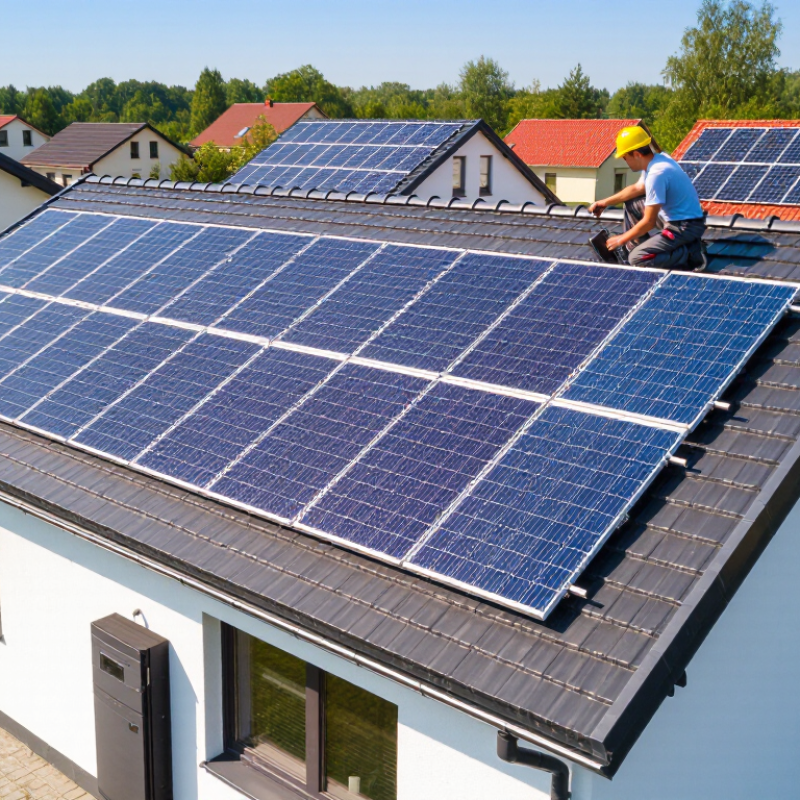
For global energy buyers, solar panel installation means more than placing modules on a roof. It connects equipment, local sunlight, electrical design, and long-term energy planning. A professional assessment should measure roof direction, shading, wind exposure, and usable space. In coastal areas, salt air may accelerate corrosion. In colder regions, snow loads require stronger mounting systems.
Reliable installation also depends on local grid rules and safety standards. Buyers should request clear production estimates, component specifications, maintenance plans, and realistic warranty terms. An experienced installer can explain expected output across seasons, not just under perfect sunlight. Battery storage may improve energy control, but it also adds cost, ventilation needs, and replacement planning. A spreadsheet can look perfect. The site may not.
Tips: Compare proposals using the same assumptions. Check annual sunlight data, estimated losses, installation timelines, and after-sales support. Ask who handles permits and grid connection documents. Inspect cable routes and drainage details before signing. Small oversights can create expensive repairs later. It is also wise to keep a reserve budget for roof reinforcement, unexpected wiring work, or changing local requirements. Solar energy can reduce dependence on volatile electricity prices, but its value depends on careful design, honest forecasting, and disciplined installation.
Solar panel installation becomes more valuable when buyers understand the work behind the quotation. The process starts with a site assessment, not a sales promise. A qualified installer checks roof age, shading, structural strength, and local sunlight patterns. They may use a compass, shade meter, and roof measurements. Measure twice.
Next, the installer designs the system around electricity use and available roof space. They calculate panel capacity, inverter size, cable routes, and battery needs if required. A written proposal should show expected output, equipment specifications, labor costs, and maintenance duties. Local permits and grid-connection approval must be handled before construction. Requirements vary between regions, so assumptions can create expensive delays.
On installation day, workers mark mounting points and protect roof surfaces before securing the rails. Panels are fixed to the rails, then connected with weather-resistant cables. The inverter is installed in a dry, ventilated location. An electrician tests voltage, grounding, and emergency shutoff access. Inspectors may review the system before grid connection. After approval, the installer activates monitoring and explains basic care, such as checking alerts and removing heavy debris. In practice, small issues can appear, including imperfect cable spacing or delayed paperwork. Good documentation makes correction easier and supports safer long-term performance.
| Step | Main Activity | Typical Timeframe | Key Data or Requirement | Buyer Checkpoint | Why It Matters |
|---|---|---|---|---|---|
| 1. Energy Assessment | Review electricity bills, load patterns, roof or ground area, shading, and local solar conditions. | 1–2 weeks | Annual energy use is normally measured in kWh; solar resource is commonly assessed with peak sun hours. | Confirm the system is sized for actual consumption rather than only available roof space. | Accurate sizing can reduce excess generation and improve the value of the investment. |
| 2. Site Survey | Inspect roof condition, orientation, tilt, structural capacity, access, cable routes, and safety conditions. | 1–3 days on site | A largely unshaded area is preferred; roof condition and local wind and snow loads must be evaluated. | Request a written survey report, layout drawing, and structural assumptions. | A suitable site helps protect energy yield, installation safety, and roof longevity. |
| 3. System Design | Create the electrical design, module layout, inverter configuration, mounting plan, and monitoring plan. | 1–3 weeks | Common systems include modules, inverters, mounting equipment, protection devices, wiring, and optional batteries. | Check design capacity, expected annual output, battery assumptions, and equipment compatibility. | A coordinated design improves reliability and simplifies future maintenance. |
| 4. Permits and Grid Approval | Submit building, electrical, planning, and interconnection documents required by the local authority or utility. | 2–12 weeks, depending on location | Requirements differ by country, utility, system size, export arrangement, and battery inclusion. | Confirm who handles applications, fees, inspections, and grid connection documents. | Approval is necessary for lawful operation and, where applicable, electricity export. |
| 5. Procurement and Logistics | Order equipment, verify technical documents, arrange packaging, shipping, customs clearance, and delivery. | 2–8 weeks | International buyers should consider voltage standards, certifications, import duties, insurance, and replacement parts. | Check packing lists, serial-number records, warranty terms, and delivery responsibilities. | Good logistics planning lowers the risk of damage, delays, and incompatible equipment. |
| 6. Mounting Structure Installation | Install roof attachments, rails, clamps, or ground-mounted foundations according to the approved design. | 1–3 days for a small or medium system | Fasteners, waterproofing, corrosion protection, and structural load limits must match the site conditions. | Inspect alignment, attachment points, roof sealing, and protection against wind uplift. | The mounting system supports long-term mechanical stability and weather resistance. |
| 7. Panel and Electrical Installation | Secure the modules, connect strings, install inverters and protection equipment, and route cables safely. | 1–5 days, depending on system size | Electrical work should follow applicable codes for grounding, isolation, overcurrent protection, and cable management. | Verify polarity, connectors, labels, earthing, clearances, and weatherproof cable entries. | Correct installation reduces electrical hazards and performance losses. |
| 8. Inspection and Commissioning | Complete electrical tests, authority inspection, inverter setup, monitoring activation, and grid connection. | 1–3 weeks after installation | Testing may include insulation resistance, continuity, grounding, protection settings, and operational checks. | Obtain inspection records, commissioning certificates, operating instructions, and as-built drawings. | Formal commissioning confirms that the system is safe and ready for operation. |
| 9. Monitoring and Maintenance | Track production, inspect equipment, clean when necessary, and respond to faults or unusual output. | Ongoing; review monthly and inspect periodically | Solar modules generally have no moving parts; inverters and batteries may require closer monitoring. | Set a performance baseline and retain maintenance, warranty, and inspection records. | Early fault detection can protect energy production and extend system service life. |
Why Is Solar Panel Installation Worth It for Global Buyers?
Solar power can reduce electricity costs, but the savings depend on location, sunlight, and household demand. A home using most of its power at noon may gain more value from rooftop panels. A typical system can turn a bare roof into a small power station within a day or two. Monthly bills may fall, although the initial purchase and installation costs remain significant. Buyers should compare payback periods, maintenance terms, and local electricity prices before signing a contract.
The environmental benefit is visible over time. Each kilowatt-hour generated by sunlight can replace electricity from fossil-fuel sources. This may reduce carbon emissions and pressure on local grids. In practical terms, panels can support a refrigerator, water pump, or office computer during sunny hours. Battery storage adds flexibility, especially where outages occur. It also adds expense, weight, and another component that may eventually need replacement.
Solar systems are not maintenance-free. Dust, bird deposits, roof shade, and extreme weather can reduce output. A careful installer should check roof strength, wiring, drainage, and future shading from trees. Buyers also need clear information about panel degradation, recycling options, and applicable permits. Results may disappoint if projected sunlight is too optimistic. That is worth admitting. Independent energy records and a second quotation often provide a more reliable decision than a polished sales estimate.
Why Is Solar Panel Installation Worth It for Global Buyers?
Before signing, a buyer should request a professional roof and electrical assessment. A roof can look suitable yet hide weak structures, old wiring, or water damage. I have seen early estimates change after technicians measured shade from nearby trees. Shading matters. So does roof age.
Panel output depends on local sunlight, roof angle, dust, temperature, and seasonal weather. Ask for monthly production estimates, not only annual figures. Compare them with daytime electricity use and possible export rules. A battery may improve evening use, but it adds cost, weight, and replacement planning. In several markets, grid connection approval can delay operation for weeks. Confirm who handles drawings, inspections, and final meter changes.
Reliable installation requires documented credentials, insurance, safety procedures, and clear workmanship terms. Review product testing, fire classification, wind ratings, and expected degradation. The cheapest proposal may exclude scaffolding, monitoring, repairs, or difficult cable routes. Ask for a written total price. Also examine local tax treatment and import duties with an independent adviser. My own early calculations ignored roof repairs. That mistake changed the budget. Leave room for uncertainty, especially where weather data or regulations are limited.
For global buyers, solar panel installation is not only a purchase. It is a long-term operating decision. A well-designed system can produce dependable electricity for decades. Performance begins with a site assessment, not a sales promise. Technicians should check roof direction, seasonal shade, wind exposure, and local temperatures. Small details matter. A panel covered by dust after a dry month may lose useful output. In coastal areas, salt residue can accelerate corrosion on exposed metal parts.
Maintenance is usually simple, but it should be scheduled. Visual inspections can reveal cracked glass, loose cables, water entry, or unusual discoloration. Output monitoring helps compare daily production with expected weather conditions. A sudden drop deserves professional testing. Cleaning frequency depends on rainfall, dust, pollen, and panel angle. Over-cleaning wastes water and may scratch surfaces. Real systems are not perfect. Inverters, wiring, and mounting hardware can age differently, so the whole installation needs attention.
Long-term value depends on energy yield, repair access, and documented workmanship. Buyers should request clear warranties, maintenance instructions, and measured performance records. They should also confirm that replacement parts remain available in their market. Cheap installation can become expensive when roof access is difficult or repairs are delayed. It is easy to focus on panel price while overlooking monitoring and service costs. That choice may weaken returns. A careful design leaves room for inspection, safe maintenance, and future electrical upgrades.