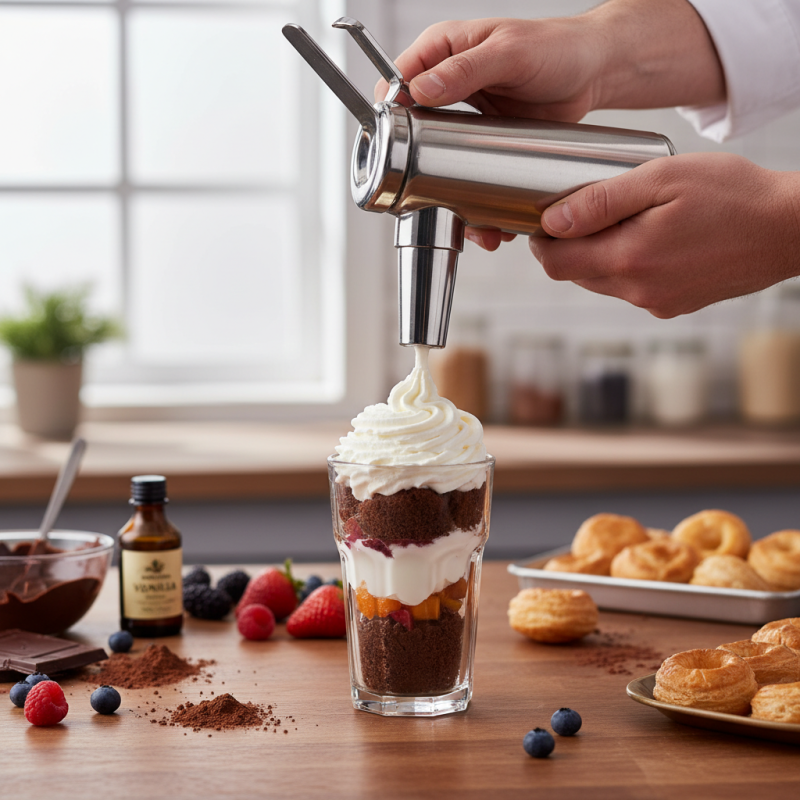
How to Use Whipped Cream Chargers for Perfect Desserts?
whipped cream chargers have become essential tools in the kitchen. They transform simple desserts into extraordinary delights. Imagine fluffy whipped cream that tops your cakes or fills your pastries. With the right technique, you can achieve that perfect texture.
Using whipped cream chargers might seem easy. However, mastering them requires practice. Sometimes, the cream can turn out too airy or not airy enough. Experimenting with different recipes helps refine your skills. Each attempt teaches you something valuable.
These chargers add versatility to your dessert creations. You can create mousses, foams, and even flavored whipped creams. The options are limitless. Embracing the imperfections in your attempts can lead to unique flavors and textures. Each dessert becomes a learning journey with whipped cream chargers.
Understanding Whipped Cream Chargers: Basics and Functionality
Whipped cream chargers have changed how we prepare desserts. These small metal canisters contain nitrous oxide. This gas creates the fluffiness we love in whipped cream. They work with a special dispenser, which makes it easy to make fresh whipped cream quickly.
Understanding how these chargers function is essential. You insert the charger into the dispenser and press the lever. The nitrous oxide mixes with the cream, making it light and airy. However, some people struggle to achieve the perfect texture. Overfilling the dispenser can lead to splatters, while underfilling can cause insufficient whipping.
Getting the right amount of cream in the dispenser requires practice. Sometimes, the result may not be as expected. You might end up with a runny consistency instead of a thick, fluffy dollop. Experimenting with different cream types can also impact the results. Not every cream whips the same way. These little challenges mean that while whipped cream chargers are useful, mastering them takes time and effort.
Whipped Cream Usage Statistics for Perfect Desserts
This chart illustrates the frequency of whipped cream usage across various dessert types, providing insight into how whipped cream chargers contribute to making perfect desserts.
Selecting the Right Cream for Optimal Whipping Results
When choosing cream for whipping, fat content is key. Heavy cream is often recommended for its ability to hold peaks. A fat percentage of 36% or more is ideal. Lower fat creams can whip, but the texture won't be as stable.
Consider the freshness of your cream. Expired cream won’t whip properly. Always check the expiration date. Room temperature cream tends to whip better than cold cream. However, it should not be too warm.
Whipping cream can also be a learning experience. Sometimes, it doesn't turn out as expected. Overwhipping can lead to grainy textures. If that happens, don’t despair. You can fold in a bit of fresh cream to remedy it. Experiment with flavors, too. Adding vanilla or a pinch of salt can enhance sweetness. Adjust your method and remember, practice makes perfect.
Steps to Properly Charge Your Whipped Cream Dispenser
Using a whipped cream charger can elevate your dessert game. Properly charging your whipped cream dispenser is crucial for achieving that light, airy texture. Start by ensuring your dispenser is clean and dry before use. A clean unit prevents any unwanted flavors. Fill it with fresh cream, leaving some space at the top. Studies show that the ideal fat content in cream is between 30-36% for optimal results.
Next, securely attach the charger holder. Insert the charger into the dispenser until you hear a hissing sound. This indicates that the nitrous oxide is releasing. If you don’t hear it, double-check the alignment. It’s important to maintain proper pressure. An under-charged dispenser results in dense cream, while overcharging can lead to an explosive mess. Remember, practice makes perfect. It might take a few tries to get everything right.
After charging, give the dispenser a shake for an even distribution of gas. The general industry recommendation is to shake it approximately 4-6 times. Dispensing might take some trial and error. You want to avoid a runny consistency. Sometimes it helps to adjust the nozzle to control the flow. Adjusting your technique can lead to excellent results, but it’s important to learn from mistakes along the way. Experimentation is key.
Creative Ways to Use Whipped Cream in Desserts
Whipped cream can elevate any dessert. Imagine a rich chocolate cake with a swirl of light, fluffy cream on top. Or a fruit tart, its berries glistening beside a dollop of freshly whipped delight. The possibilities are endless.
A popular way to use whipped cream is in parfaits. Layer yogurt, fresh fruits, and whipped cream in a glass. The textures play off each other beautifully. Each spoonful offers a delightful surprise. You might even experiment with layering different flavors. Remember, it might not always look perfect, and that’s perfectly fine.
Tips: Opt for a piping bag for decorative flair. You can create unique designs and shapes. Also, keep your cream chilled for better stability. Consider adding flavors, like vanilla or almond, for a unique touch.
Another creative idea is to enhance hot drinks. A warm mug of cocoa topped with whipped cream is comforting on cold days. Or add it to your coffee for a special treat. If you're not careful, it may overflow, creating a delicious mess. Embrace the imperfections! They often lead to the best experiences.
Tips for Storing and Maintaining Your Whipped Cream Chargers
When handling whipped cream chargers, proper storage is crucial. Keeping them in a cool, dry place ensures longevity. A kitchen drawer is often a good choice. Avoid exposure to heat or moisture. These elements can compromise the chargers. If stored incorrectly, they might not work when you need them.
Regularly inspect your chargers before use. Look for any damage or dents. If you spot any, it’s best to discard them. This precaution helps prevent unwanted mishaps in the kitchen. Storing in an organized manner also helps. Consider using a dedicated container. You’ll find what you need quicker, and they’ll remain safe.
Don’t forget expiration dates. Using expired chargers may lead to unsatisfactory results. A quick check won’t take much time. Keeping a supply list can help maintain freshness. Rethink your stock regularly. This small step can save you frustration during dessert preparation. Even the smallest details count when aiming for the perfect dessert.