
A Reefer Cargo Van is more than a chilled box on wheels. Its insulation, refrigeration unit, usable payload, and route length all shape performance. The need is practical: FAO’s 2023 food-loss report estimates that 13.2% of food was lost between harvest and retail in 2021. In the United States, USDA estimates that 30–40% of the food supply is wasted. These figures describe broad food-system losses, not losses caused by vans alone. Still, they show why dependable temperature control matters.
Transport geographer Dr. Jean-Paul Rodrigue’s work on cold-chain logistics underscores a useful point: refrigerated distribution depends on coordinated links, not vehicles alone. For operators, that means comparing factory-built refrigerated vans, aftermarket conversions, electric models, and multi-temperature layouts against real routes and cargo. A bakery delivery route may need steady cooling and frequent door openings; a meal-service fleet may value separate temperature zones. Small details matter. So does payload.
In this guide, “top” means a strong fit for a defined job, not a universal winner. Model specifications and operating costs vary, and published market data rarely compare every van configuration on equal terms. That limits neat rankings. A little humility helps. We’ll look at the main Reefer Cargo Van types for 2026, what each does well, and where buyers should check the fine print before choosing.
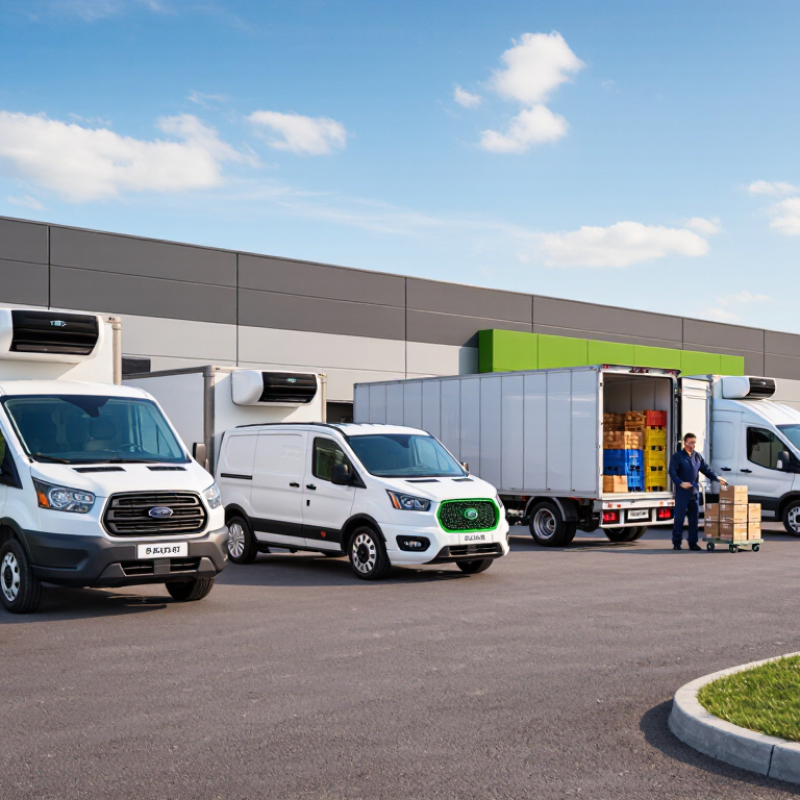
Reefer cargo vans are best compared by finished vehicle weight, not exterior length alone. A compact van suits a few insulated totes or short urban routes, but its payload can shrink quickly once refrigeration equipment and lining are installed. Full-size vans offer more floor space for stacked, temperature-controlled deliveries. Cutaway vans with larger bodies fit bulkier loads, though they need more room to turn and park.
The U.S. National Highway Traffic Safety Administration classifies vehicles by gross vehicle weight rating: Class 1 is up to 6,000 pounds, Class 2 is 6,001–10,000 pounds, and Class 3 is 10,001–14,000 pounds. These thresholds are useful reference points, not payload promises. Payload is GVWR minus the completed vehicle’s actual curb weight, including its refrigeration system. NTEA’s commercial-vehicle specification guidance likewise emphasizes checking final vehicle weights and axle ratings when bodies and equipment are added. The practical test is simple: compare the loaded van’s scale weight with its ratings. Leave room for drivers, fuel, packaging, and a full day’s cargo. The awkward detail? A larger van may carry less than expected after conversion. Check the build sheet and weigh the finished vehicle before choosing by size.
What Are the Top Reefer Cargo Van Types in 2026?
Refrigeration Systems Used in Cargo Vans
Cargo-van refrigeration systems generally use vapor-compression cooling. An evaporator circulates cold air inside the insulated cargo area, while a condenser releases heat outside. The setup sounds simple. Performance depends on airflow, insulation, door openings, and outside temperature.
Direct-drive systems draw power from the van’s engine and suit frequent, regular deliveries. Independent engine-powered units can cool while the vehicle is parked, but add fuel use, noise, and maintenance needs. Electric standby systems run from an external power supply when parked; some setups also use battery power on the road. The right choice depends on route length, stop frequency, and the temperature range required.
Chilled goods and frozen loads do not place the same demands on equipment. Buyers should check the system’s stated operating range under hot-weather conditions, not just its advertised cooling capacity. A temperature display helps, but it cannot show every warm spot inside a tightly packed van. Place sensors where products actually sit, and allow space for air to move. Door-open alarms and routine temperature checks can catch problems early. In practice, even a well-sized unit may struggle after repeated long stops with the doors open.
| Cargo Van Type or Setup | Refrigeration System | Typical Power Source | Common Applications | Indicative Cargo Setpoint | Key Considerations |
|---|---|---|---|---|---|
| Compact refrigerated van | Direct-drive vapor-compression unit | Vehicle engine, usually through a belt-driven or vehicle-powered system | Local delivery of chilled food, flowers, and other temperature-sensitive goods | About 2–8°C for many chilled products | Best suited to smaller loads and frequent urban stops. Cooling performance depends on insulation, outside temperature, door openings, and cargo loading. |
| Medium or high-roof refrigerated van | Higher-capacity engine-driven vapor-compression unit | Vehicle engine while driving; some configurations also offer electric standby power | Regional food distribution, catering supplies, and larger delivery routes | Chilled: about 2–8°C; frozen: commonly −18°C or colder when required by the cargo | Choose capacity for the insulated compartment and expected heat load, not just the van’s exterior size. Frozen operation generally requires more cooling capacity than chilled operation. |
| Refrigerated van with electric compressor | Electric vapor-compression system | Auxiliary battery, vehicle electrical system, or a high-voltage battery in an electric van | Urban delivery where lower local exhaust emissions or reduced engine idling is desired | Set to the product’s required chilled or frozen temperature | Available runtime and cooling capacity depend on the electrical system, ambient conditions, insulation, and route. In an electric van, refrigeration energy can affect driving range. |
| Van with electric standby capability | Engine-driven refrigeration while travelling, with an electric standby connection when parked | Vehicle engine on the road; external electrical supply during loading, overnight parking, or depot stops | Multi-stop routes and operations that need temperature control while the van is stationary | Maintains the selected chilled or frozen setpoint when correctly sized and connected | Standby operation requires a compatible external power supply. It can reduce the need to idle the vehicle during stationary periods. |
| Van using eutectic cold plates | Thermal-storage plates are frozen before a delivery route and release stored cooling during use | External electrical supply or a refrigeration system used to recharge the plates between routes | Scheduled, relatively short delivery routes with predictable cooling requirements | Depends on plate design, pre-freezing, compartment insulation, and route duration | Cold capacity is finite and must be restored between runs. This system does not provide the same continuously adjustable cooling as an operating compressor unit. |
| Multi-temperature refrigerated van | Refrigeration system with insulated partitions and separately controlled zones; some designs use multiple evaporators | Engine-driven or electric refrigeration, depending on the system design | Deliveries carrying products that require different temperature conditions | Each zone is set to the applicable product requirement | Partitions reduce usable cargo space, and each zone adds heat load. Confirm that the system can maintain all required temperatures under expected operating conditions. |
| Temperature note: The figures above are indicative cargo targets, not guaranteed operating ranges for every vehicle or refrigeration unit. Follow product-specific food-safety requirements and verify performance under the expected ambient temperature, loading, and door-opening conditions. | |||||
Diesel, electric, and hybrid reefer vans suit different delivery patterns. Diesel models can make sense for long routes, remote stops, or fleets without dependable charging. Their familiar refueling routine is practical, but refrigeration adds fuel demand. Stop-and-go work can make that cost harder to predict.
Electric vans are attractive for short, repeated urban routes with planned charging. The U.S. Department of Energy’s Alternative Fuels Data Center reports that electric vehicles convert over 77% of grid energy into wheel power, compared with about 12–30% for conventional gasoline vehicles. These figures describe vehicle propulsion, not refrigeration energy. Cold weather, frequent door openings, and long cooling periods can still reduce usable range. Route trials matter.
Hybrid options can pair a combustion engine with electric drive, or combine engine-powered operation with electric standby cooling. The exact setup varies, so ask suppliers to separate traction energy from reefer energy in their estimates. The U.S. Department of Energy’s AFDC notes that regenerative braking can recover energy in hybrids, especially during repeated braking. Yet added systems bring complexity, and savings depend on duty cycle. A simple test helps: record daily distance, door-open time, outside temperature, and overnight charging access before choosing a van.
Chilled reefer vans suit dairy, fresh produce, and prepared foods that need steady cooling rather than freezing. The FDA Food Code 2022 sets 41°F (5°C) or below for cold holding of time/temperature-control foods. USDA Food Safety and Inspection Service guidance recommends refrigerators stay at 40°F (4°C) or colder, and freezers at 0°F (-18°C). These figures are useful reference points, not a substitute for each product’s handling specification. A practical chilled setup needs good insulation, airflow, and a calibrated temperature logger. A crate stacked against an air outlet can still warm unevenly.
Frozen-cargo vans need stronger refrigeration and insulation to maintain subzero conditions during door openings and hot-weather stops. Multi-temperature vans add insulated partitions, letting one section carry chilled goods while another holds frozen freight. They can help mixed-load routes, but partitions reduce usable space and airflow needs careful checking. Not quite that simple. The 2024 Global Cold Chain Alliance capacity report tracks large-scale refrigerated storage, not van performance; fleet buyers should avoid treating warehouse figures as proof of vehicle capability. Ask for temperature-mapping results under realistic loading, route, and door-opening conditions. A minor weakness in this advice: real delivery routes rarely behave like test runs. Keep monitoring the cargo zone, not only the refrigeration unit’s display.
To compare the leading reefer van types in 2026, begin with the route and cargo temperature range. Factory-integrated refrigerated vans can offer a tidy fit and coordinated controls. Insulated conversions may provide more choice in body layout or cooling capacity. Multi-zone vans separate compartments for different setpoints, but partitions reduce usable space and add operating complexity. Fit matters.
Ask how quickly each system recovers after warm air enters, not only how cold it gets while parked. Request insulation details, usable payload after equipment is installed, and temperature records from a representative delivery cycle. Check door seals, drain placement, and evaporator clearance; blocked airflow can leave warm corners near the rear doors. Small details count.
For stop-heavy urban work, compare cooling performance during frequent door openings and the effect of refrigeration equipment on fuel or battery range. For longer routes, weigh cargo volume, service access, and backup temperature monitoring. Electric reefer vans may suit predictable daily mileage, though cold weather and auxiliary cooling can reduce range. I would not choose by price alone; a load test can reveal awkward compromises.
Compare common refrigerated cargo van size classes by approximate cargo volume.
These approximate ranges reflect cargo volumes published for representative vans in each size class, before refrigeration fit-out. Insulation, evaporators, wheelbase, and roof configuration affect usable space; cargo volume alone does not indicate payload capacity or cooling performance.