
background

Blog

Top 10 Four Wheel Vehicle Types for Global Buyers

Choosing the right Four-Wheel Vehicle can feel simple until roads, weather, budgets, and regulations change. A compact city crossover may be efficient in Bangkok, yet uncomfortable on rough rural routes. A pickup may carry tools with ease, but its size can create parking and fuel challenges. Global buyers need more than attractive specifications.

This guide introduces the top 10 Four-Wheel Vehicle types for different driving needs and markets. It considers passenger capacity, ground clearance, cargo space, fuel or charging access, maintenance requirements, and long-term ownership costs. Safety matters too. Buyers should check recognized safety ratings, local certification rules, warranty coverage, and service availability before making a decision. A reliable vehicle is not only powerful. It should also be practical to repair and easy to support.

Real-world details often reveal the strongest differences. Imagine loading groceries into a low hatchback, fitting work equipment into a pickup bed, or charging an electric SUV outside a small home. These situations shape ownership more than showroom images. Still, no ranking can fit every buyer. A vehicle that performs well in one region may struggle elsewhere. That limitation deserves attention. This overview aims to provide clear, experience-based guidance while recognizing that prices, regulations, road conditions, and driving habits vary. Readers should compare current local information and test their preferred models before purchasing. Small details can change the decision.
Top 10 Four Wheel Vehicle Types for Global Buyers

Global Scope: OICA Recorded 93.5M Vehicles Produced Worldwide in 2023

Top 10 Four Wheel Vehicle Types for Global Buyers

Global Scope: OICA Recorded 93.5M Vehicles Produced Worldwide in 2023

OICA recorded 93.5 million motor vehicles produced worldwide in 2023. That figure includes passenger cars and commercial vehicles across many markets. It shows the scale of buyer choice, but production volume does not equal practical value. Local roads, fuel access, climate, and repair skills still shape a sensible purchase.

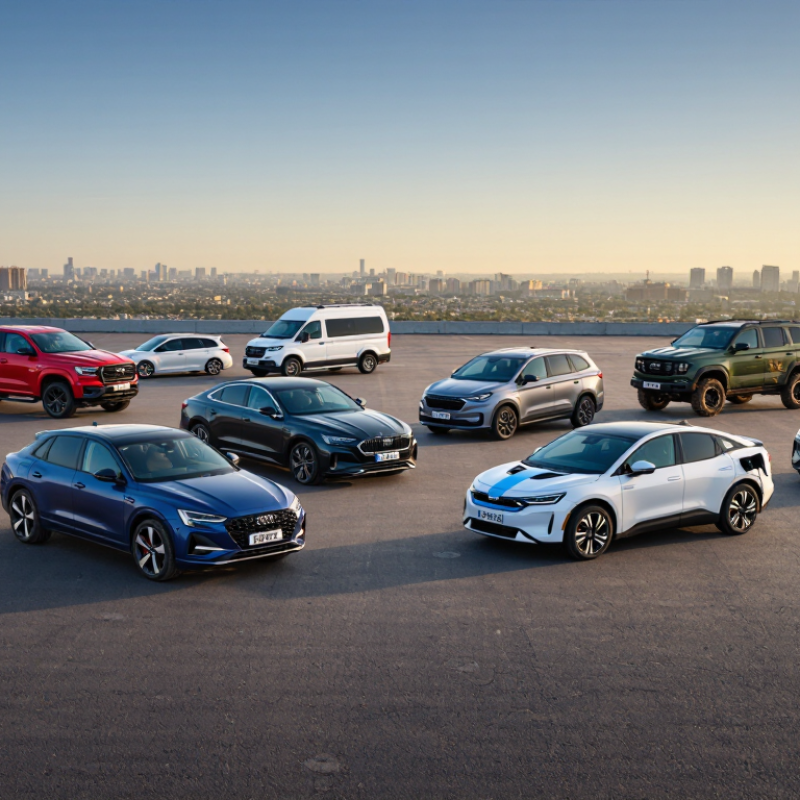
The ten major types include hatchbacks, sedans, wagons, SUVs, crossovers, pickup trucks, minivans, passenger vans, light commercial vans, and off-road vehicles. Each serves a different daily pattern. A hatchback suits narrow streets and limited parking. A pickup supports cargo work. A minivan prioritizes flexible seating. A crossover often balances ground clearance, comfort, and moderate running costs.

Electric models are changing this landscape. The International Energy Agency reported nearly 14 million electric car sales in 2023, representing about 18% of global new-car sales. Charging access remains uneven, especially outside major cities. The IEA also notes that affordability and public charging infrastructure continue to influence adoption. That matters when comparing vehicle types across countries. A low-emission vehicle may be efficient in one region but inconvenient elsewhere. Classification is useful, yet imperfect. A rural buyer may view a compact utility vehicle as a family car. Our comparison should therefore weigh real ownership conditions, not only body shape or production statistics.

Passenger Types: Sedans, Hatchbacks, and Wagons for Everyday Mobility

For global buyers, passenger vehicle choice often begins with daily routine, not engine size. A sedan suits drivers who value quiet cabins, stable highway handling, and separate luggage space. In a hot city, rear air vents and light-colored upholstery may matter more than a sporty dashboard. Four adults can fit comfortably in many sedans, but narrow rear doors may frustrate older passengers. Measure carefully before deciding.

Hatchbacks trade some trunk length for useful flexibility. Fold the rear seats, and a compact vehicle can carry a stroller, two suitcases, or weekly groceries. The shorter body usually makes parallel parking easier on crowded streets. Visibility varies, so a test drive should include tight turns and nighttime checks. I have found that a large opening feels practical, yet its raised floor can waste vertical space.

Wagons remain strong choices for families, mobile workers, and rural commuters. Their long roof and low loading height simplify carrying bicycles, tools, and pet crates. They can also feel planted on long journeys when suspension tuning is well judged. Fuel use, repair access, road clearance, and local parts availability deserve equal attention. A low wagon may scrape on rough village roads. A tall hatchback may feel less stable with a heavy roof load. Buyers should inspect seat comfort after an hour, not five minutes. Small details decide everyday satisfaction.

This chart compares 10 common four-wheel passenger vehicle types by typical cargo volume behind the second row. The figures are representative class-level midpoints in litres, based on commonly published specifications across global vehicle segments rather than any company or brand.

Versatile Types: SUVs, Crossovers, and MPVs—IEA Counted 14M EV Sales in 2023

Top 10 Four Wheel Vehicle Types for Global Buyers

Four-wheel vehicles now serve very different daily needs. SUVs provide higher seating and useful ground clearance, while crossovers combine car-like handling with flexible cargo space. MPVs focus on people, sliding doors, and family comfort. Electric versions are changing these categories quickly. The International Energy Agency counted about 14 million electric car sales worldwide in 2023, showing strong global demand. Yet sales figures do not answer every buyer’s question.

Range can fall sharply in cold weather, heavy traffic, or steep terrain. Battery size matters, but charging access may matter more. A compact crossover could suit a city driver better than a large SUV. An MPV may be more practical for six passengers and several bags. During vehicle comparisons, check rear-seat width, cargo height, turning space, and charging time. Bigger is not always better. I still think many buyers overestimate size and underestimate parking costs.

Tips: Measure your parking space before choosing a vehicle. Test the third-row seats with real passengers. Compare home electricity access, public chargers, insurance, and service coverage. Ask for verified range data, not only showroom claims. Regional roads and weather can change the experience. A careful test drive remains valuable, even after detailed online research.

Commercial Types: Pickups and Vans—Assess Payload, Towing, and Duty Cycles

For global buyers, pickups and vans should be judged by working conditions, not appearance. Payload includes passengers, tools, fuel, accessories, and cargo. A vehicle rated for 1,000 kilograms may carry far less after these items are added. Check the gross vehicle weight rating, axle limits, and tire capacity together. One number cannot describe the whole load.

Towing requires more than a strong engine. Confirm the maximum trailer weight, tongue weight, cooling capacity, and braking equipment. A trailer loaded with machinery behaves differently from a light box trailer. On steep roads, heat management becomes important. On rough sites, ground clearance and suspension durability matter. I have seen buyers focus on towing figures while ignoring rear-axle limits. That mistake can become expensive.

Vans suit enclosed deliveries, mobile workshops, and repeated urban routes. Their duty cycle may include hundreds of stops, long idling periods, or constant door movement. Measure usable floor length, roof height, turning space, and access points before ordering. A tall van may carry more volume but struggle in low parking areas. Pickups often handle mixed terrain better, yet exposed cargo needs weather protection and secure loading. Consider service intervals, local parts access, and driver training. Specifications can mislead. Real payload records from similar routes are often more useful than a brochure. Leave a practical margin, even when the purchase team wants maximum capacity.

Lifestyle Types: Coupés and Convertibles—Compare Design, Cost, and Market Fit

Among the top four-wheel vehicle types, coupés and convertibles attract buyers through emotional design. A coupé usually offers a low roof, long doors, and a focused driving position. It feels planted on winding roads. Rear-seat access can be awkward, though. That trade-off matters during daily use. Convertibles add a folding roof and a stronger sense of occasion. Open-air driving suits coastal roads and mild climates. However, extra roof mechanisms may increase weight, maintenance needs, and repair costs.

Cost differences become clearer after ownership begins. Convertibles often require careful inspection of seals, hinges, and roof motors. Coupés usually have simpler structures, but their performance-focused tires can cost more. Insurance, fuel use, and parking space also affect the real budget. In hot regions, a dark cabin can become uncomfortable quickly. Rainy climates demand excellent drainage and reliable weather sealing. Market fit depends on lifestyle, not only appearance. A compact coupé may suit urban professionals with limited passengers. A convertible may fit leisure-focused drivers with secure parking.

Tips: Sit in both front seats before buying. Check rear visibility, entry height, and luggage space. Ask for maintenance records and verified service coverage. A test drive should include rough streets, tight turns, and highway speeds. I once underestimated roof storage space; it changed the vehicle’s practicality. Personal taste still matters, but emotional choices deserve practical questions.