
Blog
Top 10 Energy Solutions in China for Global Buyers?
China is rapidly evolving as a leader in energy solutions. With a GDP growth rate of over 6% in recent years, the demand for sustainable energy has surged. The country is now the world's largest investor in renewable technologies, estimated at $83 billion in 2020. As global buyers seek efficient energy solutions, understanding China's market is essential.
The variety of energy solutions in China reflects its diverse resources. Solar energy has seen a remarkable increase, contributing to 30% of new energy installations. Wind power has also reached new heights, supplying over 9% of China's energy needs. However, despite these advancements, challenges remain. The need for a balanced energy mix continues to be a topic of discussion. There’s still a reliance on coal, which emphasizes the necessity for ongoing transformation in energy policies.
Global buyers must navigate this complex landscape. The ambition for carbon neutrality by 2060 adds urgency to the conversation. Reliability and innovation in energy solutions are paramount. While China offers vast potential, stakeholders should also critically assess local practices and align with international standards. Understanding the nuances of China's energy sector can significantly impact informed decision-making.
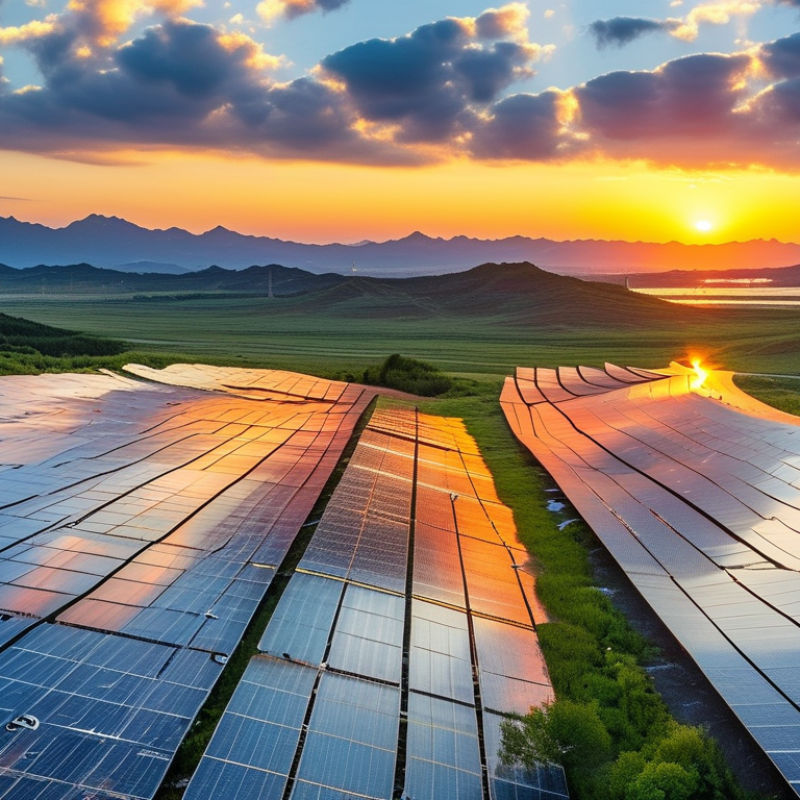
Top 10 Energy Solutions in China for Global Buyers
China stands as a key player in the global energy market, increasingly focused on renewable solutions. In 2022, China generated 1.25 trillion kilowatt-hours (kWh) from solar energy, a significant leap. This growth places China as the world’s largest solar power market. Solar installations have expanded dramatically in recent years. By 2025, the capacity is expected to reach 1,000 gigawatts (GW).
Wind energy also plays a crucial role. In 2023, China's total installed wind power capacity surpassed 300 GW, accounting for nearly 40% of the global total. Advanced technology and massive investment have accelerated this trend. Offshore wind farms contribute significantly, with projections showing a 25% annual growth rate through 2025.
However, challenges remain. The integration of these renewable sources into existing grids is complex. Many regions still rely heavily on coal, creating tension between growth and sustainability. Policy adjustments are essential, as the current framework struggles to keep pace with rapid advancements. Observing these dynamics is critical for global buyers seeking reliable energy solutions from China.
Top 10 Energy Solutions in China for Global Buyers
| Solution Type | Description | Key Benefits | Cost Estimate |
|---|---|---|---|
| Solar Energy | Harnessing solar power through photovoltaic systems. | Sustainable, low operational costs, high efficiency. | $1,200 - $2,500 per kW |
| Wind Energy | Wind turbines converting wind into electricity. | Renewable, decreasing costs, scalable. | $1,500 - $3,000 per kW |
| Hydropower | Generating electricity from flowing water. | Reliable energy source, long lifespan. | $2,000 - $5,000 per kW |
| Geothermal Energy | Using heat from the Earth's interior for energy. | Sustainable, low emissions, base-load power. | $3,000 - $5,000 per kW |
| Biomass Energy | Converting organic materials into energy. | Utilizes waste, reduces landfill, sustainable. | $1,000 - $3,000 per kW |
| Battery Storage | Storing energy using advanced battery technologies. | Energy reliability, supports renewables. | $400 - $700 per kWh |
| Smart Grid Technology | Modernizing electricity delivery with IT solutions. | Enhances efficiency, reduces outages. | Costs vary widely based on implementation. |
| Energy Efficiency Consulting | Expert advice on reducing energy use. | Cost savings, sustainability goals. | $150 - $300 per hour |
| Nuclear Energy | Generating electricity through nuclear fission. | Low emissions, large-scale energy production. | $6,000 - $9,000 per kW |
| Hydrogen Energy | Using hydrogen as a clean fuel. | Zero emissions at use, abundant resource. | $3,000 - $8,000 per kW |
Conclusion
China's energy market holds significant global importance, driven by innovative renewable energy technologies that are reshaping the landscape of energy solutions. This article highlights the top 10 energy solutions available for global buyers, showcasing how China has emerged as a leader in sustainable and efficient energy practices.
Through an exploration of key players in the industry and case studies of successful implementations, the article demonstrates the effectiveness of China's approach to energy solutions. Furthermore, it examines future trends that are likely to influence the global energy market, emphasizing the potential for collaboration and development as countries seek to integrate cutting-edge technologies into their own energy frameworks.
Related Posts
-
What are the Latest Trends in Energy Solutions for Sustainable Businesses
-
Navigating the Future of Best Sustainable Energy Solutions in 2025 with Practical How to Strategies
-

Innovative Green Energy Solutions for Sustainable Living in the Modern World
-
Unlocking the Advantages of the Best Solar Energy Solutions for Sustainable Living
-
Comparing Top Green Energy Solutions for Sustainable Business Practices
-

Innovative Green Energy Alternatives Shaping the Future of 2025 Technology Trends