What Are the Top 10 Conveyor Belt Scales for Buyers?
Choosing among the top 10 conveyor belt scales is rarely a simple ranking exercise. A Conveyor Belt Scale must match the material, belt speed, loading pattern, and operating environment. A model that performs well in a dry aggregate plant may struggle with sticky fertilizer, fluctuating moisture, or heavy dust. Buyers need more than attractive accuracy figures. They should examine weighing range, calibration procedures, load-cell protection, display clarity, data output, and service support.
Real-world experience often reveals details missing from product brochures. Watch how easily technicians reach the test weights. Check whether the integrator remains stable during belt vibration. Ask how quickly replacement parts arrive after a failure. These practical questions can separate a dependable scale from an expensive source of downtime. Installation quality matters too. A well-designed Conveyor Belt Scale can still deliver poor results when alignment, belt tension, or zero calibration receives little attention.
No ranking fits every facility.
This guide compares ten widely considered options through a buyer-focused lens. It considers measurement consistency, maintenance demands, integration potential, environmental resistance, and long-term operating value. Some specifications may appear impressive but deserve closer verification under actual site conditions. That is an important limitation. Product performance can change with belt geometry, operator habits, and material behavior. The strongest choice is not always the most advanced model. It is the one that produces trustworthy readings, supports practical maintenance, and fits the plant’s daily workflow without unnecessary complexity.
What Are Conveyor Belt Scales and How Do They Work?
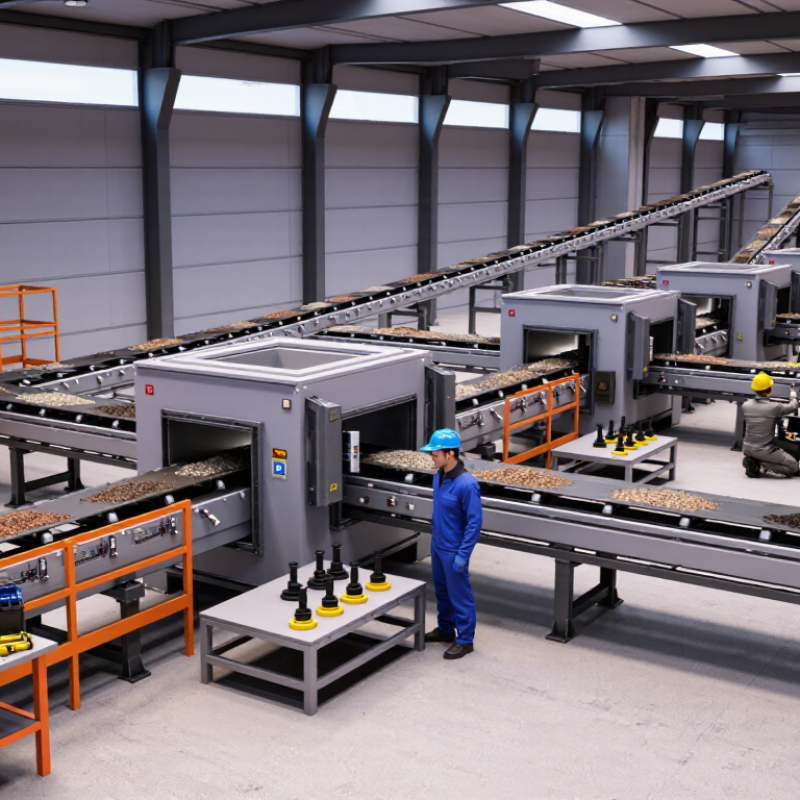
Conveyor belt scales measure the mass of material moving along a conveyor. They combine a weigh frame, load cells, a belt-speed sensor, and a digital integrator. The weigh frame supports a short section of the belt. As bulk material passes over it, load cells detect the belt load. The speed sensor records belt movement. The integrator multiplies belt load by belt speed, then calculates flow rate and total weight.
A simple example makes the process clearer. If a belt carries 200 kilograms per minute, the system records that rate continuously. Operators can view live throughput near the control panel. They can also compare daily totals with production records.
For buyers comparing the top 10 conveyor belt scales, measurement range, belt width, material type, and required accuracy deserve careful attention. A scale for dry stone may not perform equally well with sticky fertilizer or damp sand.
Installation quality often matters more than a polished specification. The conveyor must stay properly aligned, and the belt should maintain steady tension. Material should spread evenly across the weighing area.
Regular zero checks and test weights help reveal drift before it affects invoices or inventory. Dust, vibration, buildup, and changing belt conditions can reduce accuracy.
No installation stays perfect forever. A thoughtful buyer should ask how easily technicians can inspect, calibrate, and replace key parts. Even a strong system can disappoint when maintenance access is poor.
How to Evaluate the Top 10 Conveyor Belt Scales
Evaluating the top 10 conveyor belt scales starts with the application, not the product ranking. Check belt width, material flow, speed, and expected throughput. A scale designed for crushed stone may perform poorly with sticky fertilizer or damp biomass. Measure the conveyor frame carefully. Small installation errors can create large readings.
Accuracy deserves practical testing. Ask for documented performance under changing loads, belt tension, vibration, and temperature. Review the load-cell design, speed sensor, calibration method, and signal-processing system. A reliable scale should record stable readings during empty-belt checks and controlled test loads. Request service records from similar sites when possible. Claims alone are not enough.
Look closely at maintenance demands. Can technicians reach the sensors without removing half the conveyor? Does the display provide useful alarms instead of confusing codes? Check compatibility with existing control systems, data logging, and remote monitoring. Examine enclosure protection in dusty or wet areas. The cheapest option may require frequent recalibration, while an expensive system may offer features your operation never uses. That judgment is often difficult. I would compare total ownership cost over five years, including downtime, spare parts, calibration visits, and training. A short site trial can expose problems that polished specifications hide.
Top 10 Conveyor Belt Scales Compared by Key Features
What Are the Top 10 Conveyor Belt Scales for Buyers?
Compared by key features, the top ten conveyor belt scale options serve different operating needs. An entry-level single-idler scale offers simple weighing for steady material flow. A multi-idler design improves accuracy on longer conveyors. A high-speed scale suits fast-moving aggregate or grain. Impact-based systems measure material where it enters the belt. Portable units support temporary sites and changing production lines.
Key differences matter during selection. Stainless steel load cells resist moisture and corrosion. Dust-protected housings help in harsh plants. Digital signal processing can reduce vibration errors. Automatic belt tracking supports consistent readings. Remote diagnostics shorten inspection time. Data interfaces allow connection with control systems. Legal-for-trade configurations require documented testing and careful sealing. Meanwhile, simple displays often make daily checks easier for operators.
Accuracy still depends on installation quality. I have seen a well-designed scale perform poorly after uneven idlers, belt sway, or neglected calibration. Test weights and routine material checks reveal these issues early. A higher feature count does not always mean better value. That is an uncomfortable point. Buyers should compare stated accuracy, maintenance access, speed range, environmental rating, calibration method, and total ownership cost. The best choice is the one that matches the belt, material, and operators—not merely the most advanced specification.
Which Conveyor Belt Scale Fits Different Industries and Applications?
Choosing among the top 10 conveyor belt scales depends on the material, belt design, and reporting duty. Mining operations need rugged, multi-idler scales for high tonnage and vibration. The USGS Mineral Commodity Summaries 2024 estimated global cement production at about 4.1 billion metric tons in 2023. That volume demands stable measurement at crushers, stockpiles, and kiln feed points.
Aggregate plants often benefit from compact single-idler systems. They handle sand, gravel, and crushed stone where space is limited. In contrast, ports and coal terminals need high-capacity scales with strong resistance to moisture, dust, and belt misalignment. The International Energy Agency reported global coal demand near 8.5 billion tonnes in 2023. Even a small measurement drift can affect inventory control and commercial settlements.
Food and chemical processors require hygienic or corrosion-resistant designs. Stainless components, enclosed load cells, and easy calibration access matter more than maximum capacity. Recycling facilities face irregular loads, tangled materials, and frequent belt stoppages. A scale with better zero tracking may outperform a more expensive model in that setting. Not always.
Field experience shows that installation quality often influences accuracy more than the scale name. Check belt tension, idler alignment, speed sensing, and material flow before comparing specifications. Calibration should use certified test weights or controlled material tests. ISO 9001-based quality procedures can strengthen traceability, but they cannot correct poor mechanical alignment. Buyers sometimes overlook this. That mistake is costly.
What Should Buyers Consider Before Purchasing a Conveyor Belt Scale?
What should buyers consider before purchasing a conveyor belt scale? Start with the material, not the display. Bulk density, moisture, particle size, belt width, and speed affect weighing stability. A scale that performs well on dry ore may drift on wet aggregate. Measure the belt’s actual loading pattern during normal production.
Industry data can guide the decision, but it cannot replace site verification. The 2024 Conveyor Belt Market analysis by Mordor Intelligence projects steady market growth through 2029, driven by mining, logistics, and processing demand. That growth also means more generic specifications. Buyers should request test results under comparable conditions. Look for repeatability data, calibration procedures, and performance across the full operating range. Accuracy claims without test conditions are weak evidence.
Installation details deserve equal attention. The weighing frame needs a rigid section of conveyor, stable idlers, and limited vibration. Belt tracking matters. So does material buildup near the load cells. International Standard ISO 5048 provides calculation guidance for belt conveyor capacity, while CEMA’s Belt Conveyors for Bulk Materials explains loading and alignment factors. Use these references when checking supplier calculations. Integrate the scale with the plant control system, but keep local access for calibration and cleaning. A missed maintenance step can erase expensive accuracy gains. I would also budget for seasonal recalibration, spare load-cell protection, and technician training. The uncomfortable truth is simple: the cheapest scale often becomes costly when installation assumptions prove wrong. Never rely on a brochure alone.
Top 10 Conveyor Belt Scale Application Profiles for Buyers
Typical target weighing accuracy by material-handling application
Buyers should compare accuracy, belt speed, rated capacity, material flow consistency, dust and moisture exposure, calibration requirements, and integration options. The values shown are common preliminary specification targets; actual performance depends on conveyor design, installation quality, calibration, material characteristics, and operating conditions.