
Tiny Electric Truck markets are moving from urban experiments toward practical commercial fleets. China is at the center of this shift, supported by dense supply chains, battery manufacturing, and strong demand for low-cost delivery vehicles. The International Energy Agency reported that global electric car sales exceeded 14 million in 2023, while China represented nearly 60% of those sales. Although trucks follow different duty cycles, the signal is clear: electrification is becoming operational, not theoretical.
Small trucks face stricter daily tests. A vehicle may carry produce at dawn, enter narrow alleys, and return to a depot before lunch. Range, payload, charging time, warranty coverage, and after-sales service matter more than impressive showroom claims. The China Association of Automobile Manufacturers has also documented China’s rapid new-energy vehicle expansion, creating a useful foundation for evaluating local manufacturers. As IEA Executive Director Fatih Birol stated, “The global electric car market is experiencing rapid growth, with sales expected to reach 17 million in 2024.” That broader trend helps explain the rising interest in the Tiny Electric Truck segment, but it does not prove every model is commercially ready.
This overview investigates ten Chinese manufacturers through a practical lens. It considers vehicle specifications, production experience, export capability, battery partnerships, and real fleet suitability. Some rankings remain debatable. Public data can be incomplete. That is important.
A low purchase price may hide weak service coverage or limited winter performance. Therefore, readers should verify certifications, loading tests, driving range, and local support before choosing a supplier. The goal is not to praise every manufacturer. It is to identify credible options and expose the questions buyers still need to ask.
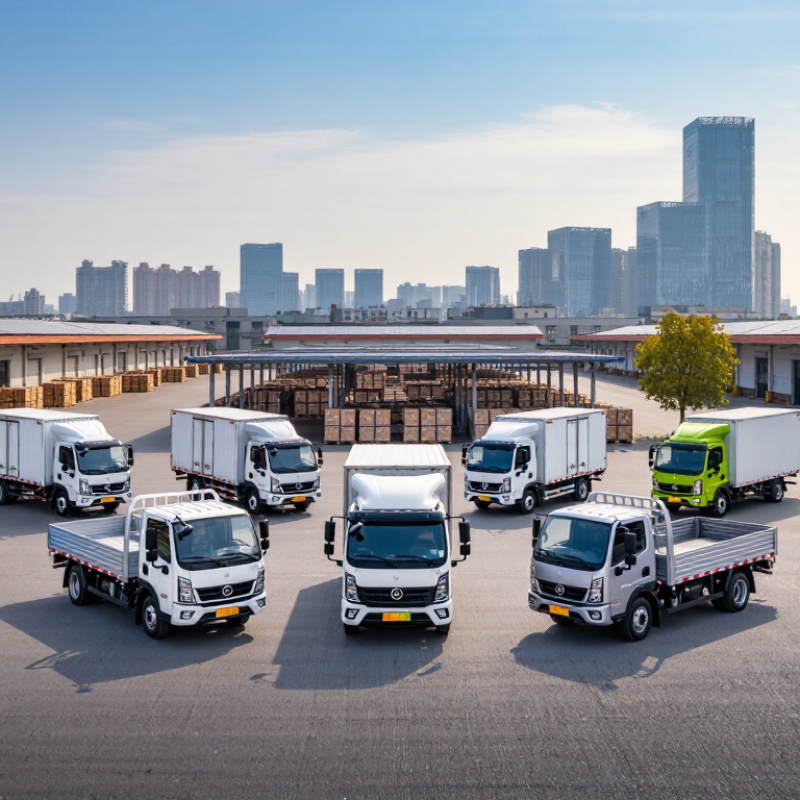
A tiny electric truck manufacturer in China is defined by more than a short wheelbase. It must design a complete working vehicle for narrow streets, local deliveries, farms, or industrial sites. Payload, turning radius, battery safety, charging time, and corrosion protection matter daily. Small does not mean simple.
The International Energy Agency reported over 8 million electric car sales in China during 2023, representing about 60% of global electric car sales. The China Association of Automobile Manufacturers reported 9.5 million new energy vehicles sold that year. These figures show manufacturing depth, but they do not prove every small truck maker has equal expertise. A credible producer should provide tested load ratings, clear battery specifications, traceable quality control, and dependable replacement parts. In practice, after-sales support can separate a serious manufacturer from a low-cost assembler.
Tips: Check the truck’s rated payload under real road conditions, not only the showroom figure. Ask for battery-cycle data, charging standards, warranty terms, and parts availability. Review factory capacity and export experience carefully. A low price may hide weaker suspension, limited thermal management, or poor cabin sealing. I would also inspect welds and wiring personally when possible. Product brochures are useful, but they are not independent evidence.
China Top 10 Tiny Electric Truck Manufacturers?
China’s tiny electric truck industry developed from simple low-speed utility vehicles into practical urban delivery tools. Small workshops first served farms, markets, and narrow village roads. Later, better batteries and compact electric motors improved daily performance. Demand grew as cities restricted noisy or high-emission vehicles in dense areas.
Today, manufacturers compete through payload design, charging efficiency, cabin comfort, and after-sales support. Many tiny trucks carry vegetables, parcels, tools, or waste containers. Their small turning radius helps drivers work in crowded lanes. Lithium battery systems also provide more predictable range than older battery types. However, real-world distance still depends on load, weather, road slope, and driving habits. The picture is not perfectly clean. Some sales forecasts appear optimistic, especially where charging access remains weak. Buyers should examine test records, service capacity, battery warranties, and local compliance requirements. A low purchase price can hide higher maintenance costs.
Tips: Check the rated payload, not only the body size. Ask for a loaded range test. Inspect battery protection, braking quality, tire availability, and charging time. A short demonstration route may reveal more than a polished brochure. Fleet operators should record energy use, downtime, and repair frequency for several months. This evidence supports better purchasing decisions and exposes weaknesses early. Tiny electric trucks are not suitable for every route, but their development shows how localized transport needs can shape China’s commercial vehicle market.
The Top 10 Chinese Tiny Electric Truck Manufacturers should be judged beyond online rankings. A reliable comparison examines factory experience, battery safety, payload testing, and after-sales support. The strongest manufacturers usually provide compact trucks for farms, warehouses, campuses, and neighborhood deliveries. Their vehicles often use 48V or 72V systems, steel frames, hydraulic tipping beds, and simple cabin controls. Some factories also offer custom wheelbases and insulated cargo boxes. However, claimed range can change sharply with hills, cold weather, heavy loads, and frequent stopping. That detail is often missed.
Tips: Request battery certificates, motor specifications, load-test records, and clear warranty terms. Ask for videos showing the truck carrying its rated payload. Check charging standards before placing an order. A local service partner matters more than a low initial price. Inspect welds, brake lines, tire quality, and underbody protection. Small faults become expensive when spare parts travel overseas. I would also compare two sample vehicles, not just brochures. Brochures can look perfect.
For a dependable shortlist, review production history, export documentation, inspection procedures, and response time. Experienced suppliers should explain battery chemistry, controller protection, charging cycles, and maintenance intervals in plain language. They should also admit limitations. A tiny electric truck is not a highway vehicle, and its real working range may be modest. Buyers should test turning radius, ramp performance, visibility, and cabin comfort before approving volume orders. One overlooked issue is corrosion protection, especially in coastal or rainy regions. That deserves a closer inspection.
China’s tiny electric truck sector is moving from basic utility carts toward purpose-built urban work vehicles. The International Energy Agency reported that China sold over 8 million electric cars in 2023, representing more than half of global sales. Smaller commercial vehicles are benefiting from this battery supply chain. Leading manufacturers now offer compact flatbeds, enclosed vans, sanitation trucks, and refrigerated bodies for short-distance delivery.
Their key products usually combine 1–3 tonne payload ratings with narrow bodies for crowded streets. Lithium iron phosphate batteries are common because they tolerate frequent charging and provide stable thermal performance. Typical battery packs range from about 20 to 60 kWh, depending on payload and operating distance. Some manufacturers add swappable battery options, regenerative braking, hydraulic lifts, and low-floor cabins. China’s Ministry of Industry and Information Technology has also emphasized intelligent connected vehicles, encouraging features such as remote diagnostics and fleet monitoring.
Technology claims still need careful checking. The Global EV Outlook 2024 notes that charging access and grid capacity remain important barriers to electric-vehicle growth. A truck promising long range may lose efficiency under heavy loads, winter temperatures, or repeated stop-start work. Real fleet trials should measure payload, charging time, battery degradation, and service response. That practical evidence is sometimes missing. Buyers should inspect battery warranties, axle ratings, waterproofing, and parts availability before choosing among the leading manufacturers.
The chart shows the number of manufacturers, out of ten reviewed, offering commonly documented product features and technologies in China’s tiny electric-truck segment. Lithium battery systems and regenerative braking are widely adopted, while fast charging and connected fleet-management functions are less universal.
Comparing Chinese tiny electric truck manufacturers requires more than browsing attractive prices. Start with the worksite, not the brochure. Measure payload, bed length, turning radius, and daily travel distance. A truck carrying tools on flat roads needs different equipment from one climbing wet, uneven lanes. Ask for rated payload and axle limits, not optimistic marketing figures. Request test data with a real load.
Battery chemistry, usable capacity, and charging time deserve close attention. Range claims often use controlled conditions. Ask how far the vehicle travels with cargo, headlights, air conditioning, and repeated stops. Check motor output, gradeability, braking performance, and ground clearance. A short road test can reveal steering play, harsh suspension, or slow reverse response. I would record these observations with photos and timestamps. Small details become expensive after delivery.
Reliability also depends on manufacturing discipline. Review quality certificates, inspection records, spare-parts availability, and warranty terms before negotiating. Confirm who handles diagnostics and how quickly replacement parts can arrive. Verify export documents, local safety requirements, and charging compatibility with an independent specialist. Factory videos help, but an in-person audit is stronger evidence. I once treated a polished specification sheet as proof of quality; that was a mistake. Compare at least three production samples, because one excellent unit proves very little. Leave room for unexpected battery aging, seasonal temperature changes, and operator habits when calculating ownership cost.