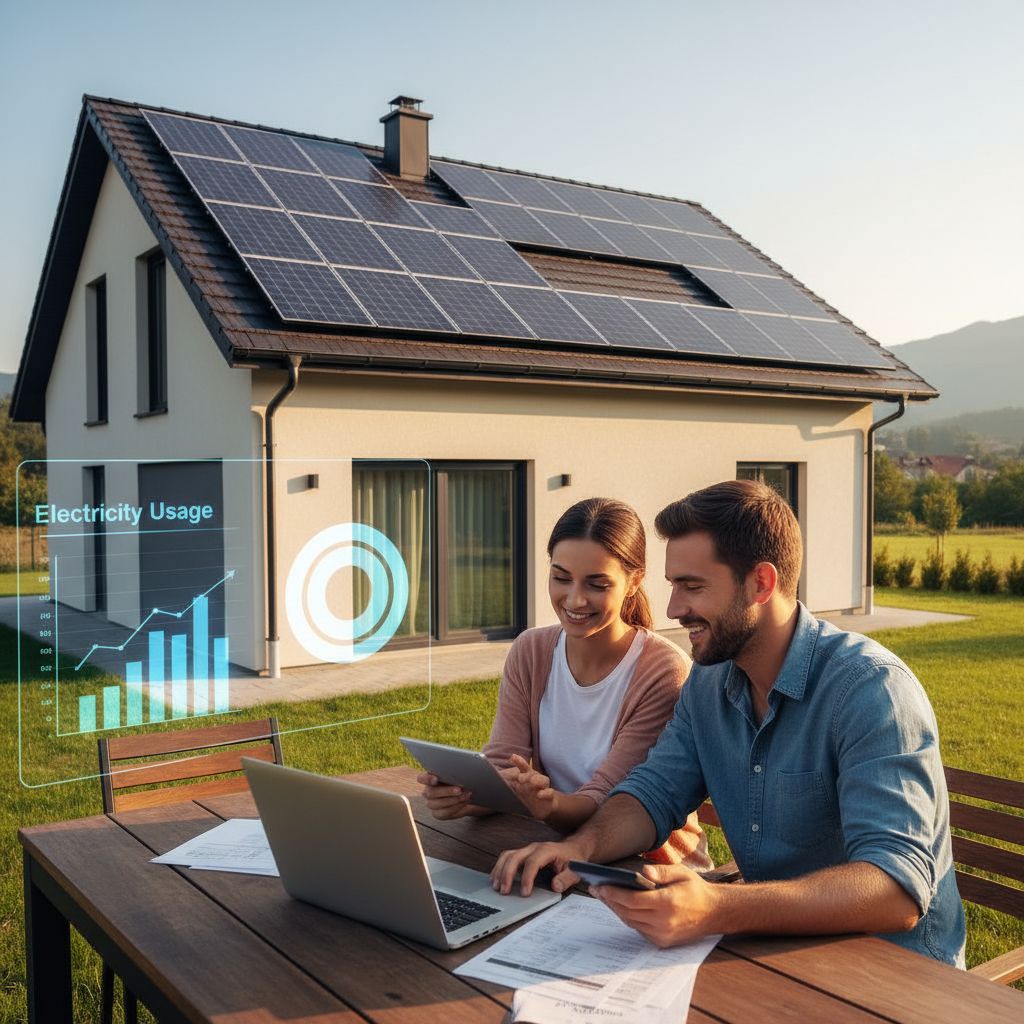
What Is Solar Panel Power? Understanding Benefits and Applications for Homeowners
The advent of solar panel power has revolutionized the way homeowners harness energy, providing a sustainable alternative that not only reduces electricity costs but also benefits the environment. As Dr. Emily Carter, a renowned expert in renewable energy, aptly states, "Solar panel power is not just an investment in technology; it is an investment in our planet's future." This powerful statement encapsulates the growing realization among homeowners that switching to solar energy can lead to significant financial and ecological advantages.
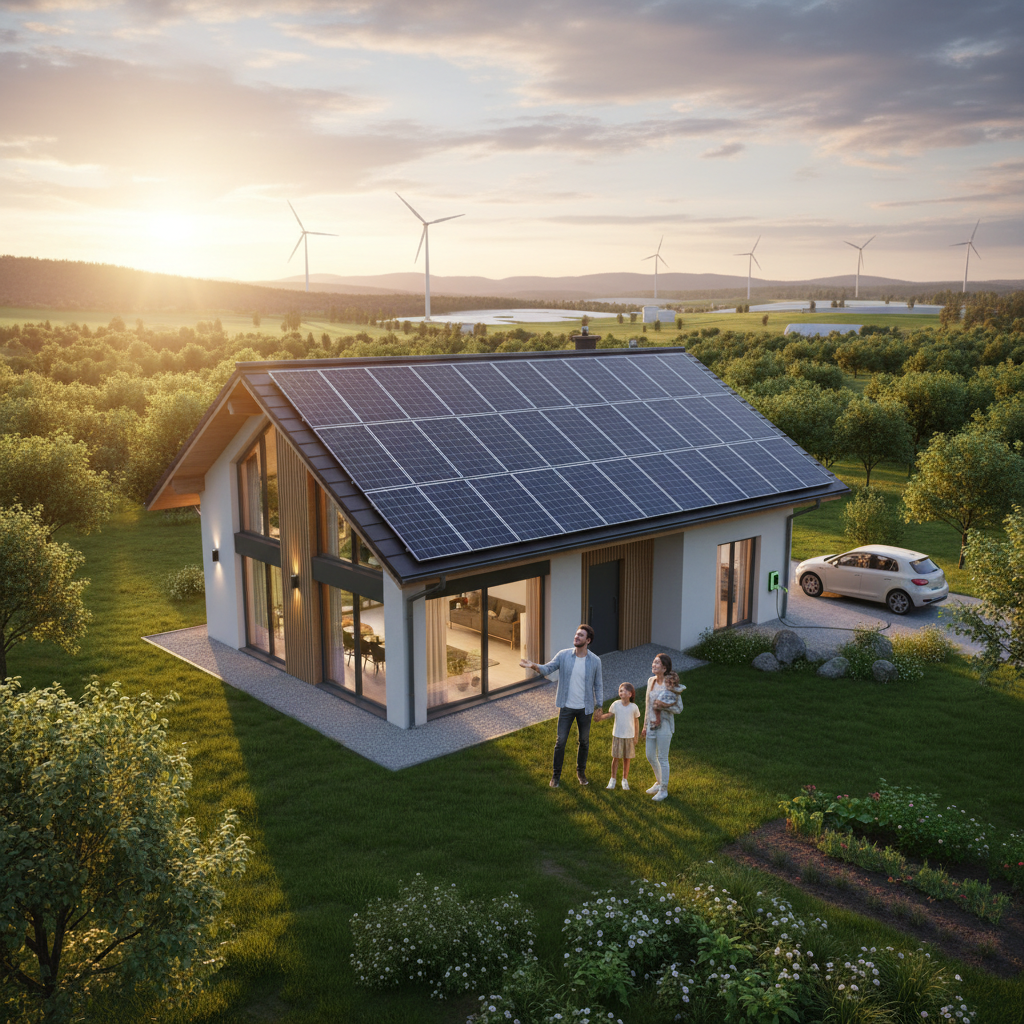
In recent years, the popularity of solar panel power has surged, with advancements in technology making it more accessible and efficient than ever. Homeowners are increasingly recognizing the potential of solar energy to lower their carbon footprint while enjoying long-term savings on energy bills. With various applications ranging from residential installations to community solar projects, the versatility of solar panel systems allows homeowners to customize their energy solutions to fit their needs.
As we delve into the 2025 Top 5 benefits and applications of solar panel power, it becomes clear that this clean energy source is not merely a trend but a pivotal element in the transition toward sustainable living. By understanding these advantages, homeowners can make informed decisions that empower them and contribute to a greener future.
Understanding Solar Panel Power Basics for Homeowners
Solar panel power has become an integral aspect of energy management for homeowners, primarily due to its ability to harness renewable energy from the sun. Understanding the basics of solar panel power is essential for homeowners considering this investment. According to the Solar Energy Industries Association (SEIA), residential solar installations in the United States have increased by over 167% since 2015, highlighting the growing acceptance and reliability of this technology. Solar panels convert sunlight directly into electricity, enabling homeowners to generate their own power, reduce electricity bills, and contribute to a more sustainable energy grid.
The benefits of solar panel power extend beyond mere cost savings. A report from the National Renewable Energy Laboratory (NREL) reinforces that homeowners can achieve an average savings of $20,000 over 20 years by installing solar systems, depending on geographic location and energy usage. Additionally, solar panels can significantly increase property values, with studies indicating that homes equipped with solar energy systems can sell for up to 4.1% more than comparable homes without solar. By understanding these fundamental aspects of solar panel power, homeowners can make informed decisions that align with their financial goals and environmental values.
Key Benefits of Installing Solar Panels at Home
Installing solar panels at home offers a myriad of benefits that can transform how homeowners consume energy.
One of the most significant advantages is the potential for substantial cost savings on electricity bills.
By harnessing solar energy, homeowners can reduce their reliance on the grid, leading to decreased monthly expenses.
In many cases, the initial investment in solar technology can be reclaimed within a few years through these savings,
especially when combined with available tax incentives and rebates.
Moreover, solar panels contribute to environmental sustainability.
By utilizing clean, renewable energy, homeowners can significantly lower their carbon footprint.
This shift not only aids in combating climate change but also promotes energy independence.
With increasing concerns about fossil fuel consumption and its impact on the environment, many homeowners opt for solar solutions as a responsible choice for a greener future.
Additionally, the installation of solar panels can enhance property value,
making homes more attractive to potential buyers who value energy efficiency and sustainable living.
Common Applications of Solar Energy in Residential Settings

Solar energy is becoming increasingly popular among homeowners for its numerous applications. One of the most common uses is for electricity generation through solar panels. According to the Solar Energy Industries Association (SEIA), the cost of solar photovoltaics has dropped by over 80% since 2010, making it more accessible for residential applications. Homeowners can install solar panels to offset their electricity bills significantly. In fact, studies show that installing solar energy systems can lower energy costs by approximately 70% for an average household.
Another application of solar energy in residential settings is solar water heating. In 2023, the U.S. Department of Energy reported that solar water heaters can reduce water heating bills by 50% to 80%. This technology harnesses the sun’s energy to heat water directly, making it an efficient and cost-effective option for homeowners looking to enhance energy efficiency. Additionally, the installation of solar-powered outdoor lighting is gaining traction, providing effective illumination for homes while reducing reliance on grid electricity. The convenience and environmental benefits of these applications highlight the growing trend of utilizing solar energy in residential spaces.
Important Factors to Consider Before Going Solar
Before making the leap to solar energy, homeowners must consider several important factors. First and foremost, evaluating local climate conditions is essential, as solar panel efficiency can vary significantly depending on sunlight availability. Areas with consistent sunshine are more conducive to solar power generation, while regions with frequent cloud cover may see diminished returns on their investment.
Additionally, homeowners should assess their energy needs and usage patterns. Understanding current energy consumption can help determine the right size and number of solar panels needed for a system. This evaluation will also inform the potential for savings on electric bills. Furthermore, it’s crucial to investigate local incentives, rebates, and financing options, as these can significantly affect the overall cost and affordability of solar installation. By weighing these factors carefully, homeowners can make informed decisions about adopting solar energy for their residences.
What Is Solar Panel Power? Understanding Benefits and Applications for Homeowners - Important Factors to Consider Before Going Solar
| Factor |
Details |
| Cost Savings |
Solar panels can significantly lower electric bills, often saving homeowners thousands over their lifetime. |
| Environmental Impact |
Using solar energy reduces greenhouse gas emissions, contributing to a cleaner environment. |
| Increase in Property Value |
Homes with solar installations tend to sell faster and for more money compared to those without. |
| Energy Independence |
Generating your own energy reduces dependence on traditional utility companies. |
| Government Incentives |
Many governments offer tax credits and rebates to encourage solar panel adoption. |
| Maintenance Requirements |
Solar panels are generally low maintenance, requiring occasional cleaning and inspections. |
| Installation Considerations |
Roof condition, orientation, and shading are crucial factors that affect installation and efficiency. |
How to Choose the Right Solar Panel System for Your Home
When selecting the right solar panel system for your home, several key factors should guide your decision. First, assess your energy needs by reviewing your electricity bills and determining your average monthly usage. This will help you estimate the size of the solar panel system required to meet your energy demands effectively. Generally, a larger system will provide more power but will also come with a higher upfront cost.
Next, consider the available space for installation. Solar panels need ample sunlight, so it's crucial to evaluate the orientation and shading of your roof or other installation areas. A south-facing roof with minimal obstructions is ideal, but innovative mounting systems can also optimize performance in less-than-perfect conditions. Additionally, exploring various solar technologies, such as monocrystalline, polycrystalline, and thin-film panels, can help you find the best balance between efficiency, cost, and aesthetics to match your home’s design.