How to Choose the Right Sightseeing Vehicle?
Choosing the right Sightseeing Vehicle involves more than comparing bright paint, passenger capacity, and attractive photographs. The best choice depends on the route, terrain, climate, visitor profile, and daily operating conditions. A compact electric cart may suit a quiet garden, while a stronger open-air shuttle may perform better on long, uneven routes. Think about steep ramps, narrow paths, sudden rain, and crowded boarding areas. Small details matter.
Passenger comfort should guide every decision. Check seat spacing, handrails, shade, ventilation, step height, and accessible boarding options. Ask how the vehicle performs after several hours of continuous use. Battery range, charging time, braking response, tire quality, and maintenance support deserve careful review. Do not trust specifications alone. Request a demonstration or speak with experienced operators. Their comments often reveal problems hidden in a showroom inspection. A reliable supplier should explain service intervals, warranty coverage, replacement parts, and operator training clearly.
Safety records and responsible design also build confidence. Confirm that the vehicle meets applicable local requirements and includes practical features such as mirrors, lights, seat belts, and clear emergency procedures. The cheapest option may become expensive when repairs interrupt visitor service. Still, premium pricing does not guarantee quality. I have seen polished vehicles with uncomfortable seats and limited visibility. That mistake is easy to repeat. Compare real route demands with verified performance, then consider long-term comfort, safety, accessibility, and operating value. A thoughtful decision may feel slower, but it usually protects both visitors and staff.
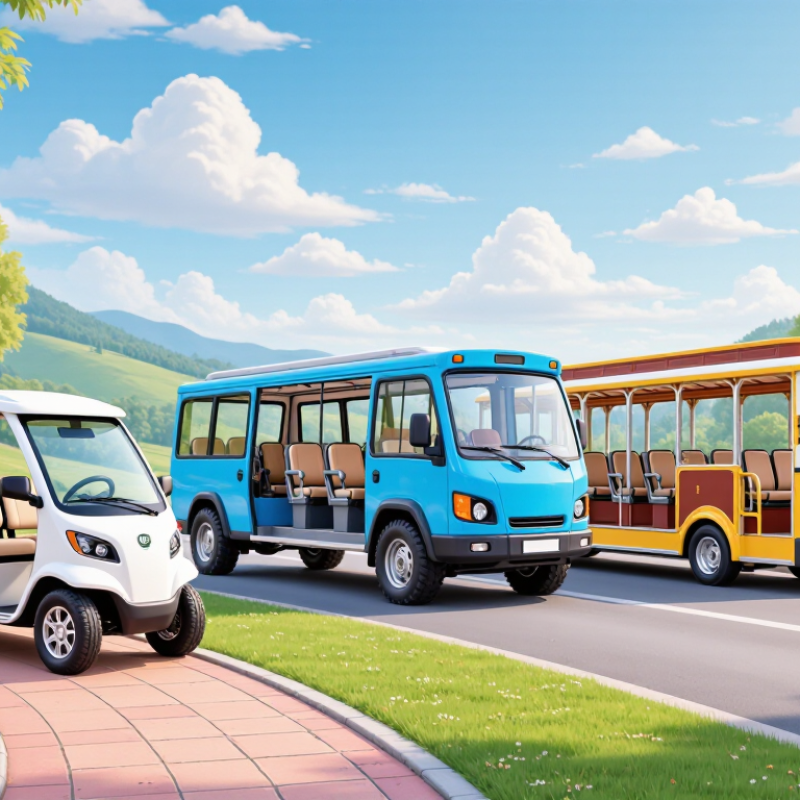
Define the Mission: Match Passenger Capacity, Route Length, and Operating Hours
How to Choose the Right Sightseeing Vehicle?
Define the Mission: Match Passenger Capacity, Route Length, and Operating Hours
When selecting a sightseeing vehicle, begin with the daily mission, not its appearance or feature list. Count expected passengers during the busiest hour, not only the average tour group. A vehicle carrying 24 people comfortably may become cramped with luggage, mobility aids, or winter clothing. Leave practical space. Verify certified seating and payload limits before making comparisons. Ask staff to record boarding times at each stop. This simple test often reveals whether the planned capacity is realistic.
Route length changes the decision. A two-hour loop needs different seating, ventilation, and energy planning than a short hotel transfer. Map hills, narrow turns, uneven pavement, and stopping points before choosing a vehicle. Measure the steepest section in real operating conditions. On a route with frequent stops, easy entry may matter more than maximum seats. That lesson is easy to miss. Compare the turning radius with the tightest corner during a site visit, not from a map alone.
Operating hours expose hidden weaknesses. If service runs from early morning into evening, inspect lighting, ventilation, weather protection, and driver visibility. Calculate daily mileage, idle time, and loading cycles. Keep a buffer for delays. Maintenance access and charging or refueling time can unexpectedly remove a vehicle from service. I once underestimated queue delays; the schedule looked efficient on paper but failed during a busy afternoon. That mistake changed my process. Now I test the vehicle with actual staff and passengers before final approval.
How to Choose the Right Sightseeing Vehicle? - Define the Mission: Match Passenger Capacity, Route Length, and Operating Hours
| Vehicle Category | Typical Passenger Capacity | Recommended Route Length | Suitable Operating Hours per Day | Best-Fit Mission | Planning Considerations |
| Accessible Passenger Van | 6–15 passengers | Up to 30 km per loop | 6–10 hours | Small-group tours, hotel transfers, and flexible private sightseeing | Easy to maneuver in narrow streets; verify wheelchair space, lift or ramp requirements, and luggage capacity. |
| Small Shuttle Bus | 16–30 passengers | 5–40 km per loop | 8–14 hours | Museum circuits, campus routes, airport links, and short urban sightseeing loops | Balances capacity and maneuverability; allow additional time for frequent stops and passenger boarding. |
| Open-Air Sightseeing Shuttle | 25–45 passengers | 5–25 km per loop | 6–12 hours | Scenic downtown routes, parks, waterfronts, and attractions in mild weather | Provides strong visibility and ventilation; plan for weather protection, passenger safety, and seasonal demand. |
| Multi-Car Tourist Tram | 40–80 passengers | 3–20 km per loop | 6–10 hours | High-volume attraction circuits, waterfront promenades, and pedestrian-oriented areas | High passenger throughput but requires wide turning areas, suitable pavement, and careful stop placement. |
| Full-Size Touring Coach | forty–sixty passengers | 30–300 km per day | 8–14 hours | Long-distance day tours, regional sightseeing, and group excursions | Best for longer routes and comfort; check road restrictions, parking access, driver-rest rules, and turnaround space. |
| Battery-Electric Shuttle | 15–35 passengers | 5–25 km per loop | 6–12 hours, subject to charging | Low-noise urban tours, parks, campuses, and environmentally sensitive sites | Actual range varies with passenger load, speed, terrain, temperature, and HVAC use; schedule charging or a spare vehicle. |
Operational rule of thumb: Select capacity for the busiest expected departure, route length for the complete operating loop, and operating hours based on the planned service window plus charging, fueling, cleaning, and driver-change time. Passenger capacities are typical planning ranges and must be confirmed against local regulations, accessibility requirements, seating layout, and the vehicle’s certified specifications.
Calculate Vehicle Size: Compare GVWR Below 3,000 lb with Payload Requirements
How to Choose the Right Sightseeing Vehicle?
A vehicle with a GVWR below 3,000 lb needs careful weight planning. GVWR means the maximum permitted weight of the fully loaded vehicle. It includes passengers, luggage, accessories, and operating fluids. Do not confuse it with curb weight. Payload equals GVWR minus curb weight.
For example, a sightseeing vehicle may weigh 1,850 lb before loading. With a 2,950 lb GVWR, its available payload is 1,100 lb. Four guests weighing 165 lb each use 660 lb. A guide adds 170 lb, while bags and equipment may add another 180 lb. Only 90 lb remains. That margin disappears quickly when adding weather gear, safety equipment, or a removable canopy.
Measure real passengers.
Passenger estimates should reflect actual tours, not ideal conditions. Uneven roads and repeated stops place extra demands on braking and suspension. They do not officially increase the GVWR, but they make a small margin less comfortable. Keep a simple weighing sheet for passengers, gear, and installed equipment. Check the vehicle’s certification label and technical documents before making a decision.
A common mistake is counting seats instead of pounds. More seats do not guarantee useful capacity. I have also seen luggage estimates made too casually. A small suitcase can weigh more than expected. Recheck the calculation after every modification, especially batteries, storage boxes, or accessibility equipment. If the projected load approaches the limit, choose a larger-rated vehicle or reduce the carried equipment. Safety margins matter.
How to Choose the Right Sightseeing Vehicle?
Compare GVWR below 3,000 lb with the loaded weight required for typical sightseeing trips.
Planning assumptions: curb weight is estimated from common lightweight vehicle configurations, each adult is calculated at 165 lb, and luggage is estimated at 100 lb for four adults or 140 lb for six adults. A vehicle is suitable only when its loaded weight remains at or below its GVWR. The payload capacity equals GVWR minus curb weight, so the six-passenger scenario exceeds the GVWR of the two larger configurations.
Select the Powertrain: Evaluate 48-V Electric, Fuel, Range, and Gradeability Data
How to Choose the Right Sightseeing Vehicle?
Powertrain selection should begin with the route, not the vehicle’s appearance. A 48-V electric system can suit short, quiet tours with frequent stops. Check battery capacity, charging time, usable range, and battery performance in heat or cold. Do not trust range figures from empty-vehicle testing. Load the vehicle with passengers, luggage, and safety equipment. Then repeat the route.
Fuel-powered vehicles may support longer operating hours and faster refueling. However, fuel consumption can rise sharply on hills, in traffic, or with a full passenger load. Compare fuel use per tour, not only fuel use per hour. For electric models, record energy use per kilometer under similar conditions. The comparison becomes fairer.
Gradeability data deserves careful attention. A stated climbing ability may apply only to a short slope and limited weight. Test the vehicle on the steepest section of the real route. Measure speed, motor temperature, braking response, and restart performance on an incline. A vehicle that climbs slowly may still work well, but passenger comfort could suffer. Small details matter.
Use a simple trial sheet. Record outdoor temperature, tire pressure, payload, slope length, and stopping frequency. Repeat each test more than once. Results may vary. That is normal, but unexplained variation needs investigation. A clean spreadsheet can still mislead. Ask for test conditions, service requirements, and battery replacement assumptions before making a purchasing decision.
Verify Safety and Compliance: Check FMVSS No. 500 Equipment Requirements Before Purchase
Choosing the right sightseeing vehicle starts with its intended route, passenger load, and operating speed. If it qualifies as a low-speed vehicle, verify that FMVSS No. 500 applies to its configuration. This standard generally covers four-wheeled vehicles with a maximum speed between 20 and 25 mph and a gross vehicle weight rating below 3,000 pounds. Classification matters.
Inspect the actual equipment, not only the sales description. FMVSS No. 500 addresses headlamps, front and rear turn-signal lamps, tail lamps, stop lamps, reflex reflectors, mirrors, a parking brake, and a windshield. Check each lamp in daylight and again in shaded conditions. Confirm that the mirrors provide usable views beside and behind the vehicle. Ask for the certification label, compliance documents, vehicle specifications, and maintenance records. A missing document does not automatically prove noncompliance, but it deserves careful follow-up.
Tips: Bring a checklist during the inspection. Test the parking brake on a gentle slope, if safe. Look for cracked lenses, loose wiring, weak mirror mounts, and unclear labels. Ask an experienced compliance technician to review unusual modifications. I once underestimated how quickly frequent passenger loading can loosen fittings. That small oversight can become a safety concern. Requirements may also vary by route or local operation, so verify current rules before purchase.