Why Choose High Frequency Power Inverters at the 139th Canton Fair?
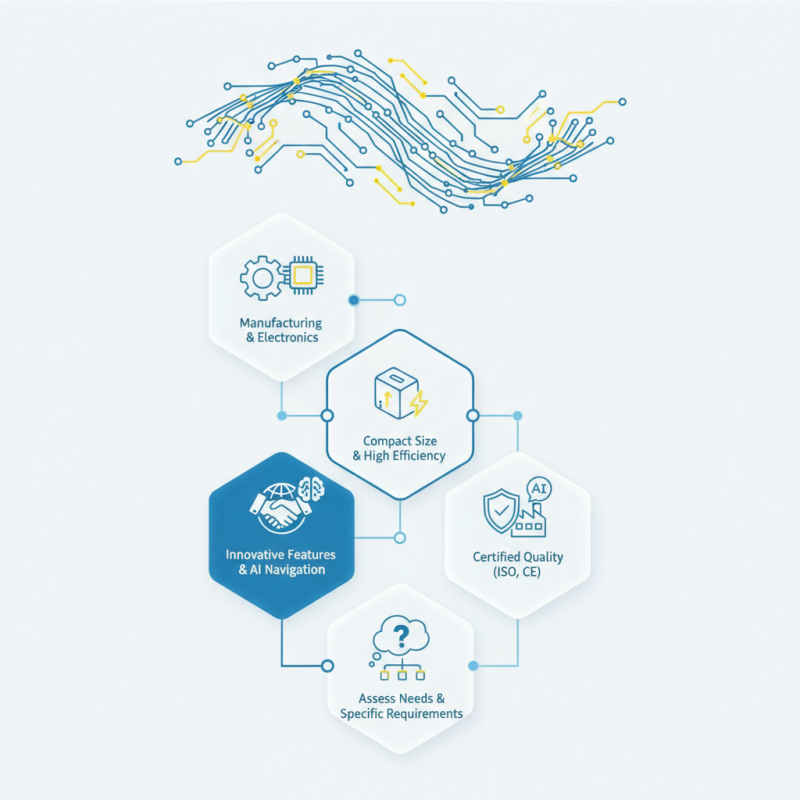
The 139th Canton Fair presents an excellent opportunity to explore high frequency power inverters. These devices are crucial for various applications in manufacturing and electronics. Their compact size and high efficiency make them a preferred choice for many businesses.
At the fair, buyers can discover innovative features of high frequency power inverters. The integration of AI technology facilitates easy navigation through the vast exhibition space. This enhances the experience for those seeking quality suppliers, particularly those with certifications such as ISO and CE.
However, it’s essential for attendees to critically assess their needs. Not all inverters may suit every application. Clarifying specific requirements before engaging with suppliers is vital. This ensures that the chosen inverter aligns with business objectives and operational demands.
High Frequency Power Inverters: Overview of Technology and Applications
High frequency power inverters are essential in the renewable energy sector. These devices convert DC power into high-frequency AC power efficiently. According to recent industry reports, high frequency inverters achieve conversion efficiencies of over 95%. This feature allows for smaller designs and reduced costs in energy systems.
In addition to their efficiency, these inverters are versatile. They are used in various applications, from solar energy to uninterruptible power supplies. The global market for high frequency inverters is expected to grow by 12% annually over the next five years, reflecting increased adoption in emerging markets. However, challenges persist. Many users still struggle with heat dissipation issues. Inadequate thermal management can lead to reduced lifespan and efficiency.
Moreover, scalability remains a concern. While high frequency inverters are suitable for smaller applications, larger systems can complicate their implementation. Some reports indicate that user education is critical. Many potential buyers do not fully understand the technology. This gap can lead to suboptimal choices or underutilization of high frequency inverters.
Advantages of High Frequency Power Inverters in Energy Efficiency
High frequency power inverters stand out for their energy efficiency. They convert DC to AC power with minimal loss. This efficiency translates to lower energy costs for users. A well-designed high frequency inverter can reduce electricity bills significantly over time. Imagine using less energy for the same output. That’s the core benefit.
These inverters are smaller and lighter compared to older models. This makes installation easier. However, their compact size may lead to overheating if not properly managed. Users should pay attention to cooling solutions. The trade-off is worth considering; efficiency often comes with unique challenges.
The ability to operate effectively under varying loads is another advantage. High frequency inverters adapt well to fluctuating demands. Sometimes, they fail to perform ideally in extreme conditions. Users must be aware of their limits. Yet, these inverters are often more reliable overall. Investing in high frequency power inverters could be a wise choice at the Canton Fair.
Market Trends and Demand for High Frequency Inverters at Trade Fairs
High frequency power inverters are gaining popularity at trade fairs like the Canton Fair. Industry reports indicate a growing demand for efficient power management solutions. A recent analysis shows that the market for high frequency inverters is expected to grow by 15% annually over the next five years. This trend reflects a shift towards more sustainable energy practices.
Visitors at such exhibitions are increasingly looking for innovations. High frequency inverters are appreciated for their compact design and lightweight features. They offer better performance in energy conversion, making them ideal for solar applications. In addition, these inverters often come with advanced features such as remote monitoring and diagnostics, improving user experience.
Tips: Always check the efficiency ratings of inverters. Look for models that offer lower total harmonic distortion (THD). This impacts the longevity of your equipment. Consider the warranty and support as well. Not every product is perfect. Potential buyers should evaluate their specific needs carefully. What works for one application may not suit another.
Key Technical Specifications: Choosing the Right Inverter for Your Needs
When selecting a high frequency power inverter, it’s crucial to understand the key technical specifications. These specifications determine performance and efficiency. Look for the inverter's power rating. It should match or exceed your device requirements. An insufficient power rating can lead to downtime or damage to your equipment.
Efficiency is another vital aspect. A reliable inverter should have high conversion efficiency, minimizing energy loss. Pay attention to the total harmonic distortion (THD). Lower THD means cleaner power, which is essential for sensitive electronics.
Also, consider the temperature range. An inverter that operates well in extreme conditions will perform better in various environments.
Connectivity options can greatly influence usability. Different devices require compatible interfaces. Think about the size and weight of the inverter, too. A compact design is easier to transport, but ensure it doesn't compromise on performance. Always balance portability with power needs. Reflect on these details to choose the right inverter for your needs, ensuring reliability and efficiency in your operations.
Impact of High Frequency Inverter Technology on Renewable Energy Systems
High frequency inverters play a crucial role in renewable energy systems. They convert low voltage DC power into high voltage AC power efficiently. This conversion is essential for integrating solar panels and wind turbines into utility grids. The advanced technology in high frequency inverters allows for smaller, lighter designs with improved performance.
The impact of high frequency inverter technology on renewable systems is profound. These inverters can quickly adjust to changing energy demands. This responsiveness helps maintain a stable grid, even when renewable sources fluctuate. Users experience reduced energy costs and improved reliability. They also contribute to reducing reliance on fossil fuels.
Yet, challenges exist in this evolving field. Not all high frequency inverters perform equally. Some may struggle with efficiency or compatibility issues. As technology progresses, continuous research and development are necessary. Evaluating long-term performance will be key to maximizing benefits. Addressing these imperfections will ultimately enhance their role in sustainable energy solutions.
Impact of High Frequency Inverter Technology on Renewable Energy Systems