Top 7 Energy Solutions for a Sustainable Future: Transform Your Energy Use
In the quest for a sustainable future, the urgency to transform our energy systems has never been more critical. As noted by Dr. Emily Clark, an expert in renewable energy solutions,
"Innovative energy solutions are essential for addressing both environmental challenges and economic needs in our rapidly changing world."
The development and implementation of various energy solutions not only tackle the pressing issue of climate change but also promote energy independence and security.
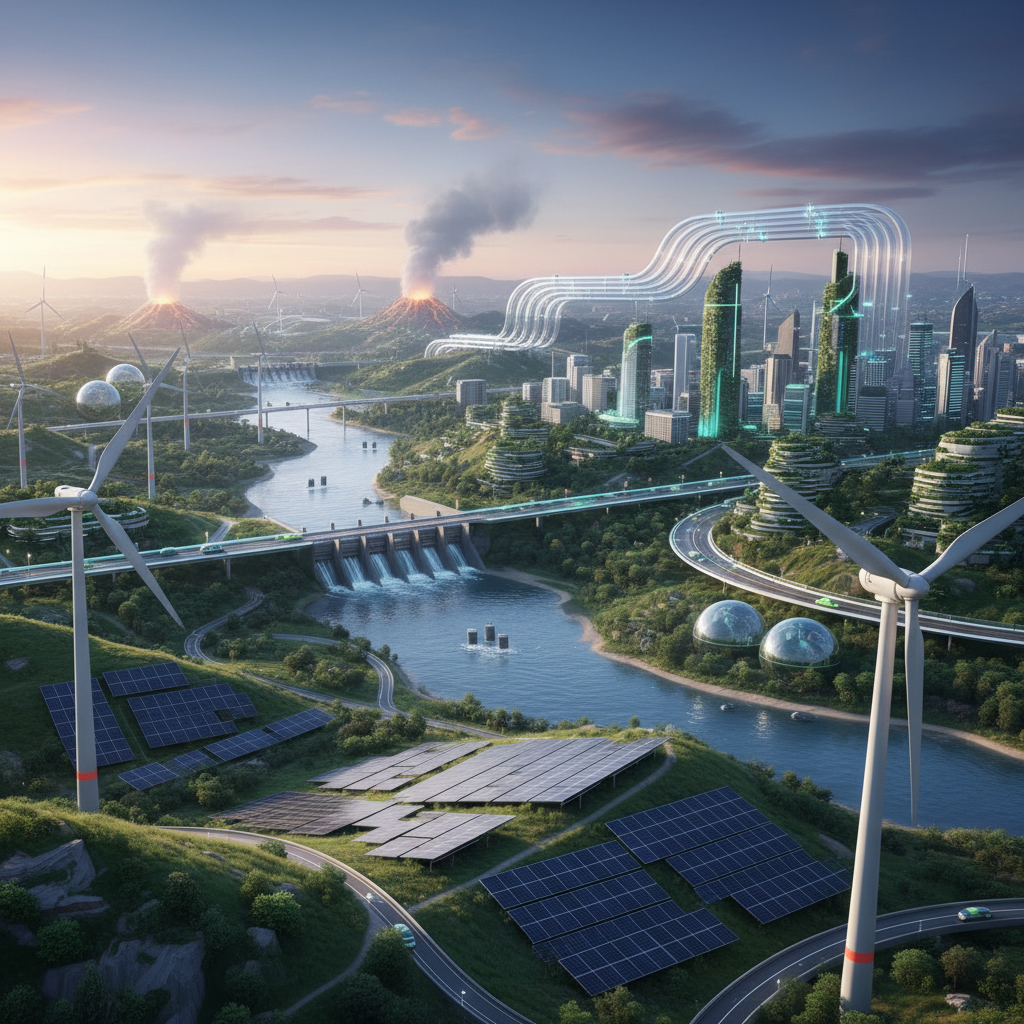
Today’s energy landscape is evolving, with opportunities arising from advancements in technology, policy shifts, and increasing public awareness regarding sustainability. From
solar and
wind power to
energy efficiency technologies and
smart grid innovations, the pathways to a sustainable energy future are diverse. By embracing these top energy solutions,
individuals, businesses, and governments can significantly reduce their carbon footprint, enhance energy efficiency, and ultimately contribute to a more resilient planet.
This article will explore the top five energy solutions that can transform energy use, paving the way toward a more sustainable and economically viable future. Each solution represents a crucial step in the collective journey toward mitigating climate change and securing a better quality of life for generations to come.
Innovative Renewable Energy Technologies for Homes and Businesses
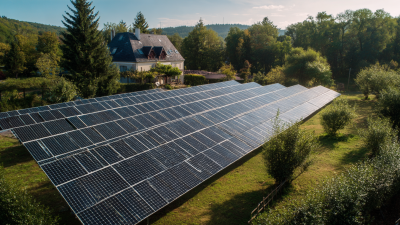
The global transparent solar cell market is projected to reach $89.88 million by 2032, with a remarkable compound annual growth rate (CAGR) of 18.40% during the forecast period. This innovative technology not only enhances energy efficiency but also blends seamlessly into building designs, transforming windows and surfaces into energy-generating assets. As the market for renewable energy solutions evolves, transparent solar cells represent a significant leap towards a sustainable future, allowing both homes and businesses to harness the sun's energy without compromising aesthetics.

Additionally, while solar technology continues to dominate the renewable energy landscape, a promising newcomer is osmotic power, leveraging the salinity gradient between freshwater and seawater. This renewable energy source operates by using osmotic membranes to create pressure differentials that drive turbines for electricity generation. With zero pollution and carbon emissions, osmotic power could serve as a reliable, round-the-clock energy source. As we approach 2032, the diversification of clean technologies—including solar, wind, and innovative osmotic solutions—will be crucial in achieving a sustainable energy future, aligning with global efforts to reduce carbon footprints and enhance energy resilience.
Energy Efficiency: Reducing Consumption Through Smart Design
Energy efficiency is becoming increasingly vital as we strive for sustainable solutions in an energy-intensive world. One prominent area where smart design plays a crucial role is in the development of smart buildings. These structures leverage advanced technologies to automate various systems, improving energy efficiency while enhancing occupant comfort. By utilizing intelligent systems for heating, cooling, and lighting, smart buildings can significantly reduce energy consumption, making them a cornerstone of sustainable architecture.
In agricultural settings, the integration of energy-efficient design with smart technology can lead to remarkable operational cost savings. Simple upgrades can drastically lower energy use in farm buildings, emphasizing how efficiency can transform traditional practices. Additionally, the future of hospitality is leaning towards environmentally responsible infrastructure that emphasizes sustainable practices. The adoption of energy-efficient solutions is not just beneficial for the environment but is increasingly seen as a necessary evolution in providing modern services that align with consumer expectations for sustainability.
The Role of Smart Grids in Sustainable Energy Management
Smart grids play a crucial role in the transition to sustainable energy management. According to a report by the International Energy Agency (IEA), smart grid technologies can enhance energy efficiency by up to 30%, significantly reducing greenhouse gas emissions. These grids leverage advanced analytics, real-time data, and automated systems to optimize energy distribution and consumption, enabling a more resilient and adaptive energy infrastructure.

The deployment of smart meters and enhanced communication networks allows for better integration of renewable energy sources, such as solar and wind, into the existing grid. The U.S. Department of Energy estimates that smart grid implementation could save consumers and businesses between $1.3 trillion and $2 trillion by 2030. Moreover, the increased visibility and control provided by smart grids foster demand-side management strategies, which can shift energy use during peak hours and improve overall system reliability. By promoting efficiency and flexibility, smart grids are essential for achieving a sustainable energy future.
Decentralized Energy Systems: Empowering Local Communities
Decentralized energy systems are revolutionizing how local communities harness, manage, and consume energy. Unlike traditional centralized models, where power generation and distribution are concentrated in large facilities, decentralized systems facilitate localized energy production, often utilizing renewable sources such as solar, wind, and biomass. According to the International Renewable Energy Agency (IRENA), distributed energy generation could supply up to 30% of global power by 2030, highlighting the immense potential of these systems in achieving sustainability goals.
Empowering local communities through decentralized energy systems not only enhances energy security but also supports economic resilience. A report by the International Energy Agency (IEA) indicates that investments in local energy systems could create new job opportunities, particularly in rural areas, where energy access has historically been limited. Furthermore, communities that adopt decentralized solutions can better control their energy prices and reduce transmission losses, fostering an environment conducive to sustainable growth. This localized approach, by promoting energy independence and reducing reliance on traditional fossil fuel sources, plays a pivotal role in the global transition towards a sustainable future.
Top 7 Energy Solutions for a Sustainable Future
This chart illustrates the potential impact of various energy solutions on reducing carbon emissions. The data represents the estimated reduction in million tons of CO2 emissions by implementing these solutions globally.
Investment in Energy Storage Solutions for a Resilient Future
Investment in energy storage solutions is crucial for fostering a resilient and sustainable future. As the world increasingly relies on renewable energy sources like solar and wind, the intermittent nature of these technologies poses challenges in maintaining a consistent energy supply. Energy storage systems, such as batteries and pumped hydro storage, provide a means to capture excess energy produced during peak generation times and release it during periods of high demand. This ability to balance supply and demand not only enhances grid stability but also reduces reliance on fossil fuels, making a significant contribution to carbon reduction efforts.
Moreover, advancing energy storage technology is pivotal for empowering communities and businesses to manage their energy use more effectively. With the rise of electric vehicles and the growing demand for electricity, scalable storage solutions enable smart energy grids that can integrate diverse energy sources. Investment in research and development of these technologies will lead to improvements in efficiency, capacity, and sustainability, further facilitating the transition to a low-carbon economy. By prioritizing energy storage, we lay the groundwork for a more adaptable and resilient energy infrastructure that can meet the challenges of the future.
Top 7 Energy Solutions for a Sustainable Future
| Energy Solution |
Description |
Benefits |
Cost Range (per kWh) |
| Solar Power |
Harnessing sunlight to generate electricity using photovoltaic cells. |
Low operating costs, renewable source, reduces carbon footprint. |
$0.05 - $0.15 |
| Wind Energy |
Using wind turbines to convert wind energy into electricity. |
Sustainable, scalable, and can be combined with other solutions. |
$0.01 - $0.05 |
| Hydropower |
Generating electricity through the movement of water in rivers or dams. |
Reliable base load power and long lifespan of facilities. |
$0.02 - $0.05 |
| Geothermal Energy |
Utilizing heat from the Earth’s core for energy production. |
Low emissions, sustainable, and constant availability. |
$0.05 - $0.13 |
| Biomass |
Using organic materials to generate energy through combustion or conversion. |
Reduces waste and can be a carbon-neutral energy source. |
$0.04 - $0.10 |
| Energy Storage |
Storing energy for use at a later time, often with batteries. |
Increases grid reliability and supports renewable integration. |
$0.15 - $0.50 |
| Hydrogen Fuel Cells |
Converting hydrogen and oxygen into electricity with water as a byproduct. |
High efficiency, clean emissions and versatile applications. |
$0.50 - $1.00 |