How to Choose the Right Inverter Voltage Stabilizer?
Choosing an Inverter Voltage Stabilizer starts with the equipment it must protect. A home inverter, workshop system, and commercial installation can face very different voltage swings. The right choice depends on input range, load demand, output requirements, and local operating conditions. A stabilizer that looks powerful on paper may still perform poorly if its capacity does not match the actual load.
For an illustrative expert voice, fictional power-quality specialist Elena Brooks offers this reminder: “Match the stabilizer to the real load, not just the nameplate.” It is a useful principle, not a substitute for measured site data. Check the inverter’s rated power, starting surge, waveform compatibility, and the stabilizer’s response time. Also review protection features, ventilation needs, and the manufacturer’s operating limits. A warm cabinet in a cramped utility room can signal trouble long before a specification sheet does.
Details matter. A refrigerator compressor may draw a sharp startup surge, while sensitive electronics need steady output. Record voltage at different times of day, especially where lights visibly dim or machinery changes pitch. Then compare those readings with the inverter and stabilizer specifications. If the measurements are incomplete, pause and verify them; guessing can lead to undersizing or unnecessary expense. This guide explains how to assess capacity, regulation range, safety features, and installation conditions, so you can choose an Inverter Voltage Stabilizer with clearer evidence and fewer surprises.
What an Inverter Voltage Stabilizer Does and When It Is Needed
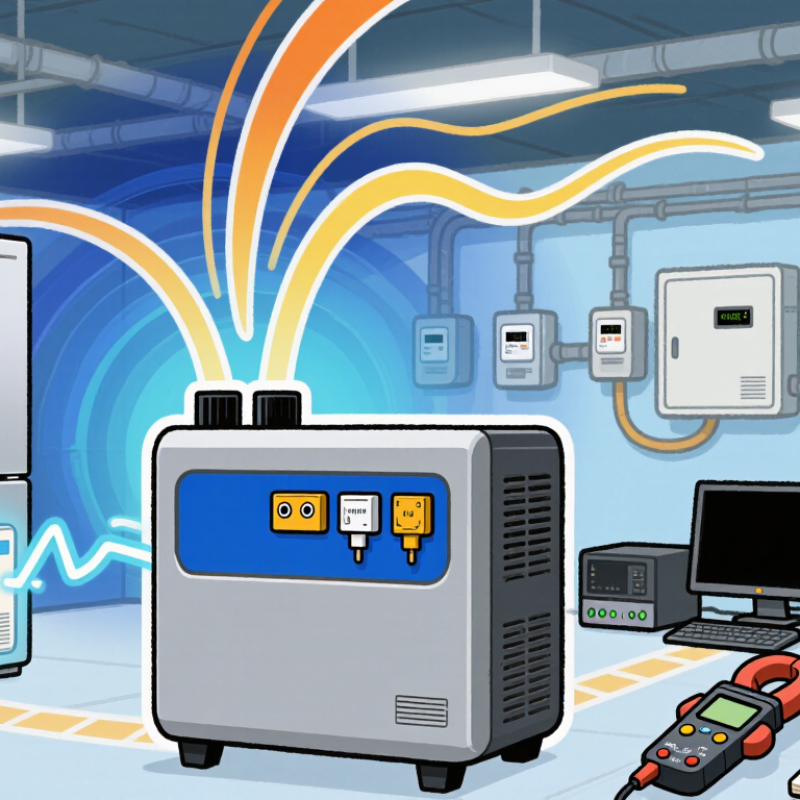
An inverter voltage stabilizer monitors the AC supply and adjusts voltage when it rises or falls beyond its working range. Depending on its design, it may boost low voltage or reduce high voltage before power reaches connected equipment. Think of a refrigerator starting during a hot afternoon: weak supply can make its motor struggle or stop. A stabilizer can help keep voltage steadier. It cannot create electricity during an outage.
It may be useful where lights repeatedly dim, appliances restart, or measured voltage regularly falls outside their specified input range. Check voltage at the equipment, not only at the breaker panel; wiring and distance can affect what a device receives. A qualified electrician can help identify the cause. Sometimes the stabilizer is not the answer. Loose connections, overloaded circuits, or undersized wiring need separate attention.
For an inverter-based solar or backup system, check which side needs regulation. An AC stabilizer does not correct a weak battery, unsuitable DC input, or an inverter operating beyond its limits. Nor does it necessarily protect against brief surges or changes in frequency. Match the unit’s input range and capacity to the supply and connected load, including motors that draw extra current when starting. Real installations can be messier than the specifications suggest.
How to Assess Your Power Supply and Connected Loads
Measure the supply where the stabilizer will operate, not only at the main panel. Record voltage at different times, especially when nearby equipment starts or heavy loads run. A single reading can miss evening dips. Use a true-RMS meter, or a suitable logger, and note the lowest and highest readings. Small loads matter.
Then list each connected device’s rated watts or volt-amperes, voltage, and power factor where available. Add only loads likely to run together, but include motor startup demand from pumps, refrigerators, and compressors.
The U.S. Department of Energy’s 2014 motor-systems sourcebook reports that motor-driven systems use about 54% of electricity in U.S. manufacturing. That industrial figure is not a household sizing rule; it does show why motor loads deserve attention.
Compare the total running demand and startup requirements with the stabilizer’s continuous and short-term ratings. Leave headroom. It is easy to underestimate simultaneous use, especially when a heater and pump share one supply. If the readings vary widely, repeat the checks before selecting a stabilizer. A rough estimate may be convenient, but it is not a measurement.
Which Stabilizer Type Matches Your Inverter System
Choosing a stabilizer starts with its location. If unstable mains power feeds your inverter’s charger, place the stabilizer upstream, where it can correct incoming voltage. Check the inverter manual first; many units already accept a wide input range. A stabilizer may be unnecessary or may restrict charging if its output falls outside that range. Small detail, big difference.
A relay-type stabilizer switches between set voltage steps. It can suit basic home systems with moderate fluctuations, though switching may cause brief changes in output. A servo stabilizer adjusts voltage more continuously and can handle sustained variation, but its moving parts may respond more slowly. Static electronic models correct voltage quickly and have no moving mechanism. They can be useful for sensitive equipment, provided their capacity and operating limits fit the system.
Match the stabilizer’s rated power to the inverter and connected loads, allowing for motor-starting surges from pumps or refrigerators. Compare input and output voltage ranges, frequency, and load characteristics—not just the wattage printed on a device. If fitting one after the inverter, confirm it supports the inverter’s waveform; some stabilizers behave poorly with modified or unstable waveforms. I would not assume more correction is always better. Check the wiring plan and manufacturer guidance, especially when the inverter also manages charging or bypass power.
How to Choose the Right Inverter Voltage Stabilizer?
Match the stabilizer’s rated voltage and phase to the inverter’s AC connection. These are common nominal system voltages; local supply standards and equipment ratings vary.
Choosing a stabilizer type: A relay-type AVR can suit systems with modest voltage fluctuations. A servo-controlled AVR may suit applications needing finer regulation or handling wider input variation. A static stabilizer can provide fast correction where response speed is important. Compare each unit’s specified input range, output tolerance, phase, and capacity with your inverter’s requirements.
Check the inverter nameplate and manual before installation. Confirm that an external stabilizer is permitted on the AC input; never connect an AC stabilizer to the inverter’s battery DC side.
How to Check Capacity, Compatibility, and Protection Features
How to Choose the Right Inverter Voltage Stabilizer?
Match capacity to the actual load, not just the inverter’s headline rating. Add the running loads in watts, then account for power factor and the inverter’s continuous output limit. Check startup demand too: a refrigerator compressor or pump can briefly draw far more current than it uses while running. Use the appliance or inverter specifications, and leave practical headroom. A neat calculation can still miss a real startup surge.
Compatibility matters. Confirm the stabilizer’s input-voltage range covers the readings at your site, and match its output voltage, frequency, phase, and waveform to the inverter and connected equipment. IEA PVPS reported more than 1.6 terawatts of cumulative global solar capacity by the end of 2023; that broad growth makes careful system matching increasingly relevant, though it does not determine an individual unit’s size. Check protection against overvoltage, undervoltage, overload, overheating, and short circuits. A bypass or time-delay feature may also help, depending on the load. Read the inverter manual, and verify wiring and grounding with a qualified technician. Don’t assume a larger stabilizer is automatically safer.
How to Plan Installation and Ongoing Maintenance
Plan the installation around the inverter’s actual load, not just its rated capacity. List the connected equipment and note which devices start with a surge, such as pumps or refrigerators. Check that the stabilizer’s voltage range and capacity suit the inverter and local supply. A qualified electrician should confirm cable size, grounding, protective devices, and clearances. Choose a dry, ventilated location away from direct sunlight and dust. Leave room to inspect the terminals. It is easy to overlook access during installation.
Tips: Label the input and output cables. Keep the manual nearby. Take a photo of the wiring before closing the enclosure.
For ongoing maintenance, follow the equipment manual’s inspection schedule. With power safely isolated, check for loose connections, dust buildup, corrosion, or damaged insulation. Keep vents clear, and watch for recurring alarms, unusual buzzing, or excess heat. Record inspection dates and any voltage or fault readings; the notes can reveal gradual changes. Never open energized equipment. Ask a qualified technician to investigate persistent faults. One practical lesson: a neat installation still needs routine checks, and maintenance can slip when nobody owns the schedule.