How to Choose the Best Energy Solutions for Your Home and Business
In today's rapidly changing environment, choosing the right energy solutions for your home and business has become more crucial than ever. With the increasing costs of energy and the pressing need for sustainability, understanding the various options available is key to making informed decisions. Energy expert Dr. Emily Carter emphasizes the importance of tailored solutions, stating, "The best energy solutions are those that not only meet our immediate needs but also consider long-term impacts on our planet."
As we navigate through options such as renewable energy sources, energy efficiency technologies, and smart home systems, it is essential to evaluate the unique demands of our living and working spaces. This process involves examining factors such as budget, energy consumption patterns, and environmental footprints. By prioritizing intelligent energy solutions, we can enhance not only the efficiency of our resources but also contribute positively to a sustainable future.
Ultimately, the choices we make today regarding energy solutions will influence not just our immediate environment but also the world we leave for future generations. Therefore, understanding and implementing the best practices in energy management is an investment in both economic and ecological well-being.
Understanding Your Energy Needs: Assessing Consumption Patterns
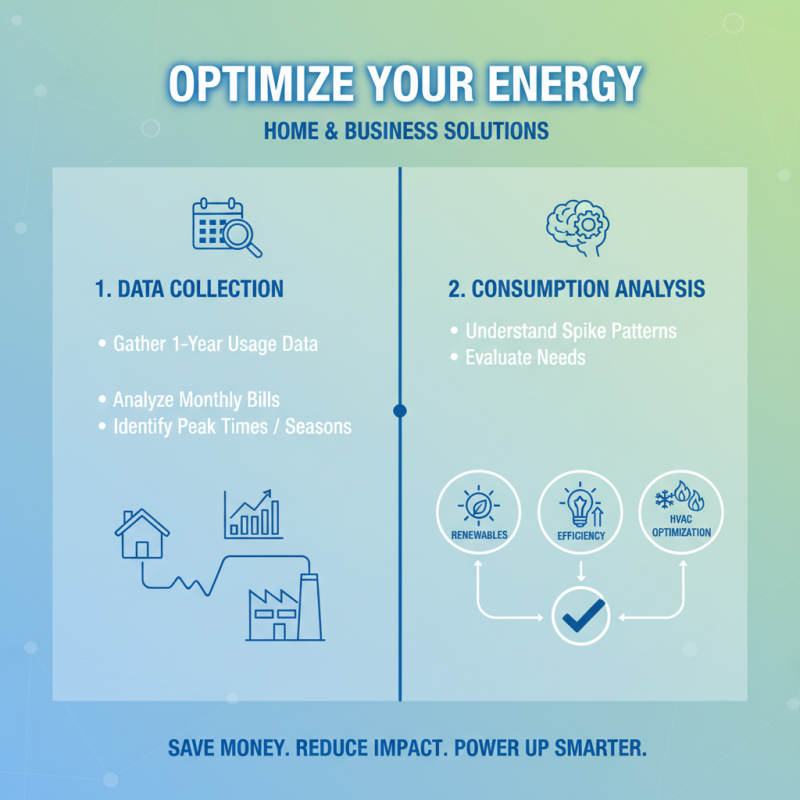
Assessing your consumption patterns is crucial for choosing the best energy solutions for both your home and business. Start by collecting data on your current energy usage over the past year. Analyzing monthly bills can give you insights into peak consumption times and seasonal fluctuations. Are there specific months where usage spikes? Understanding these patterns helps identify which energy solutions will cater effectively to your requirements, whether it be through renewable sources, energy-efficient appliances, or optimized heating and cooling systems.
Furthermore, consider the unique characteristics of your space. Factors such as the size of your home or business, the number of occupants, and the types of activities conducted within your premises all influence energy consumption. For instance, businesses operating heavy machinery may require a different energy solution compared to a small office space. By evaluating these specifics, you can determine whether a centralized energy system or decentralized options suit your needs better. Ultimately, a thorough understanding of your consumption patterns will empower you to make informed decisions on energy solutions that align with your goals and reduce potential waste.
Exploring Different Energy Sources: Renewable vs. Non-Renewable Options
When choosing energy solutions for homes and businesses, it's essential to evaluate both renewable and non-renewable energy sources. Renewable energy, which includes solar, wind, hydroelectric, and geothermal power, has gained significant traction due to its sustainability and minimal environmental impact. According to the International Energy Agency (IEA), renewable energy accounted for nearly 30% of global electricity generation in 2020, a figure that is expected to rise as investments increase and technology advances. By adopting renewable energy sources, consumers can reduce their carbon footprint and contribute to a more sustainable future while often benefiting from lower energy costs in the long term.
On the other hand, non-renewable energy sources, such as coal, natural gas, and oil, continue to dominate the energy market due to their established infrastructure and immediate availability. However, the environmental consequences of fossil fuel usage are significant, contributing to air pollution and climate change. A report from the U.S. Energy Information Administration (EIA) indicates that approximately 60% of electricity in the United States was generated from non-renewable sources in 2020. While these options may provide reliability and consistency, the urge for cleaner alternatives is prompting many to seek out greener solutions that align with evolving regulatory frameworks and public sentiments regarding climate change. The choice between renewable and non-renewable energy sources ultimately depends on individual needs, local regulations, and long-term sustainability goals.
How to Choose the Best Energy Solutions for Your Home and Business - Exploring Different Energy Sources: Renewable vs. Non-Renewable Options
| Energy Source |
Type |
Environmental Impact |
Cost Per kWh |
Availability |
| Solar Energy |
Renewable |
Low |
$0.08 |
Widely Available |
| Wind Energy |
Renewable |
Low |
$0.06 |
Regionally Available |
| Natural Gas |
Non-Renewable |
Moderate |
$0.04 |
Widely Available |
| Coal |
Non-Renewable |
High |
$0.03 |
Regionally Limited |
| Geothermal Energy |
Renewable |
Low |
$0.10 |
Limited Availability |
Evaluating Energy Efficiency: Key Technologies and Practices
When evaluating energy efficiency for your home and business, understanding the key technologies and practices is essential. One of the primary technologies to consider is smart home systems, which allow for automated control of lighting, heating, and appliances. These systems enable significant reductions in energy consumption by optimizing usage based on your habits and preferences. For businesses, incorporating energy management systems can provide real-time monitoring of energy usage, helping identify areas for improvement and fostering a culture of sustainability.
In addition to technological solutions, employing effective practices is crucial for enhancing energy efficiency. Conducting regular energy audits can help identify inefficiencies and opportunities for improvement, such as upgrading insulation or sealing leaks. Implementing energy-efficient practices, like utilizing programmable thermostats and energy-saving lighting, can lead to substantial energy savings over time. Furthermore, considering renewable energy options, such as solar panels, can not only reduce dependence on conventional energy sources but also lower overall energy costs in the long run. By combining technology with proactive energy practices, both homes and businesses can develop effective strategies for sustainable energy use.
Cost Analysis: Budgeting for Energy Solutions in Homes and Businesses
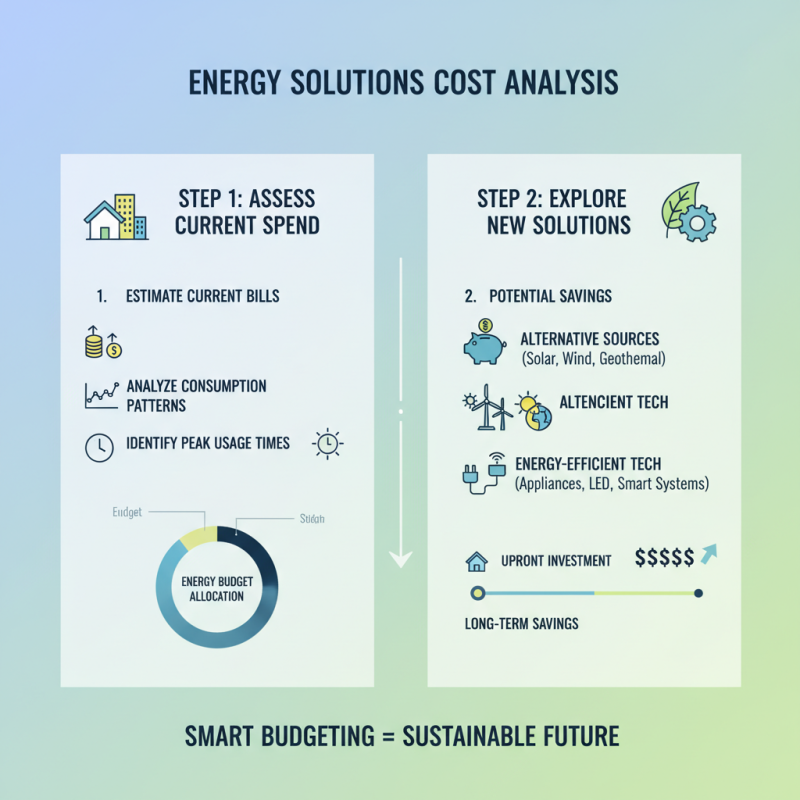
When considering energy solutions for both homes and businesses, a thorough cost analysis is essential for effective budgeting. Start by estimating your current energy expenses and determine the proportion of your budget that can be allocated toward new energy solutions. This requires an understanding of your energy consumption patterns, peak usage times, and the potential savings that alternative energy sources can provide. Implementing energy-efficient appliances and technologies might involve an upfront investment but can lead to substantial long-term savings.
In parallel, explore various financing options available for renewable energy installations, such as solar panels or energy-efficient systems. Incentives may be offered by local governments or other organizations, which can significantly reduce initial costs. Calculating ROI (Return on Investment) on these solutions will help in understanding the payback period and overall benefit to your financial health. Additionally, consider maintenance and operational costs when evaluating your options to ensure that you can sustain any energy solution in the long run. This comprehensive approach will assist in making informed decisions that align with your budgetary constraints while achieving energy efficiency goals.
Regulatory Considerations: Permits and Incentives for Energy Solutions
When selecting energy solutions for homes and businesses, understanding regulatory considerations is crucial. Permits and incentives often dictate the feasibility and cost-effectiveness of adopting renewable energy systems. For instance, a 2021 report by the Renewable Energy Industry Association stated that 70% of new solar projects were facilitated by government incentives, showcasing how these financial mechanisms can significantly lower initial costs. Homeowners and business owners should investigate local and federal policies that can provide tax credits or rebates for renewable energy installations, such as solar panels or energy-efficient upgrades.
Navigating the permitting process is another important aspect. Many states have streamlined their permitting processes for renewable energy solutions, but this varies widely by location. According to a 2022 study from the National Renewable Energy Laboratory, regions with simplified permitting processes saw a 30% increase in solar installations compared to those with more cumbersome requirements. Understanding these regulatory frameworks can not only expedite project timelines but also enhance the overall return on investment. Therefore, it's imperative for consumers to stay informed about the evolving landscape of energy regulations and incentives in their respective areas, ensuring they make the best choices for sustainable energy adoption.