background

Blog

How to Choose Solar Energy Solutions in 2026?

Choosing solar energy solutions in 2026 requires more than comparing panel prices. Homeowners, businesses, and public facilities now face many options, including rooftop photovoltaic systems, battery storage, solar water heating, and community solar programs. Each solution behaves differently under real conditions. A shaded roof, dusty panels, seasonal weather, or limited grid capacity can change the final result.

Francesco La Camera, Director-General of the International Renewable Energy Agency, said, “Renewables are the only source of energy that can provide universal access to affordable, reliable and sustainable energy.” His statement highlights an important point: solar technology should serve practical needs, not follow fashionable claims. A reliable decision begins with an energy audit, accurate roof measurements, local sunlight data, and a clear review of electricity bills. It should also consider battery safety, maintenance access, inverter quality, warranty terms, and installer experience.

However, no solar plan is perfect. Production may fall during cloudy weeks. Batteries can increase upfront costs. Some estimates also appear attractive because they ignore replacement expenses or changing electricity prices. That deserves scrutiny. The best solar energy solutions balance performance, resilience, affordability, and long-term service. In 2026, buyers should ask how a system will perform after ten years, not only how impressive it looks today. Small details matter: a loose cable, poor drainage, or inaccessible equipment can undermine an otherwise excellent installation. Careful research remains essential.
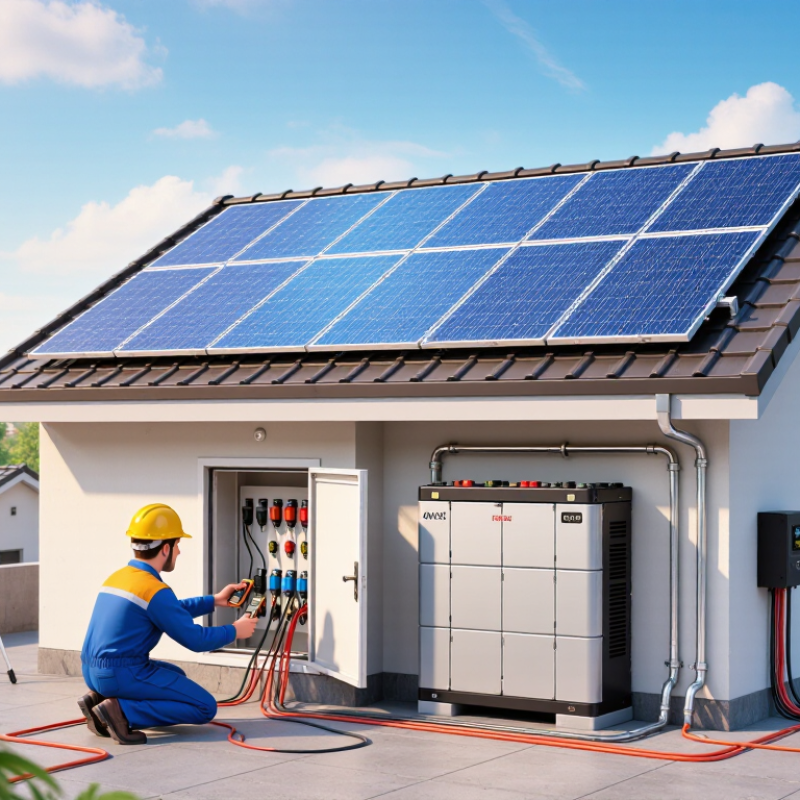
How to Choose Solar Energy Solutions in 2026?

Define Solar Energy Needs and Site Conditions in 2026

How to Choose Solar Energy Solutions in 2026?

Defining your energy needs comes before comparing solar systems. Review twelve months of electricity bills, not one unusually high month. Record daily usage if a smart meter provides it. Note air-conditioning, water heating, electric vehicles, and future appliances. A household using 18 kWh daily needs a different design from one using 35 kWh. Decide whether your priority is lower bills, backup power, or reduced grid dependence. These goals affect panel capacity, battery size, and budget.

Tips: Walk around the property at different times. Photograph roof shade at 9 a.m., noon, and 4 p.m. Check roof age, surface damage, orientation, and available space. Ask for a structural inspection and a written production estimate. Local sunlight data helps, but trees and nearby buildings can change the result. Do not rely on an online calculator alone.

Site conditions can expose weaknesses in an attractive proposal. Measure the distance between the roof, inverter location, battery area, and electrical panel. Longer cable runs may increase installation work. Confirm ventilation, drainage, safe access, and local grid requirements. A battery may perform poorly in extreme heat without suitable placement. My practical concern is simple: a spreadsheet can miss real shadows, dust, or seasonal demand. Recheck assumptions with an independent site assessment, and leave room for uncertain weather and changing household habits.

Compare Solar Panel Types, System Designs, and Energy Outputs

Choosing solar in 2026 requires comparing real energy output, not only panel efficiency. According to the Fraunhofer Institute Photovoltaics Report 2024, commercial crystalline-silicon modules commonly reach about 20–23% efficiency. Thin-film panels usually produce less power per square metre but can perform better on some low-light or high-temperature surfaces. A small roof may favor high-efficiency modules. A large ground array may prioritize cost.

System design changes daily performance. A south-facing array in the Northern Hemisphere usually captures strong annual sunlight, while shade from chimneys can reduce output sharply. NREL’s PVWatts model uses a default system-loss assumption of about 14%, covering wiring, soiling, mismatch, and inverter losses. A 5-kilowatt system may generate roughly 5,000–7,500 kilowatt-hours yearly, depending on climate, tilt, shading, and maintenance. That range is wide. I would not trust a sales estimate without hourly production data.

Tips: Request a monthly yield simulation, not one annual number. Compare string inverters with module-level electronics when shade is present. Add battery storage only after checking evening demand. NREL and the U.S. Department of Energy commonly report lithium-ion storage round-trip efficiencies near 85–95%, so stored energy is never perfectly recovered. Check roof temperature, snow, dust, and local grid limits. These details often matter more than a laboratory efficiency figure.

Evaluate Batteries, Smart Controls, and Grid Connection Options

How to Choose Solar Energy Solutions in 2026?

When choosing solar energy solutions in 2026, evaluate the battery before chasing maximum panel capacity. A battery should match your evening usage, outage needs, and available installation space. Ask for usable capacity, round-trip efficiency, expected cycle life, and replacement conditions. A larger battery is not always better. It may remain partly unused for many days.

Smart controls can shift heating, cooling, and appliance use toward sunny hours. Look for clear settings, manual overrides, and useful performance data. The system should still work when internet service fails. Ask who receives your energy data and how access is protected. My first comparison would focus too heavily on automation. That approach can ignore simple controls that homeowners actually understand.

Tips: Request hourly production estimates, not only annual totals. Compare battery costs over its expected service period. Confirm that local electricians can maintain the equipment. Check shutdown procedures and emergency access. For grid connection, ask about export limits, approval timelines, meter changes, and compensation rules. Local requirements can vary by street. A qualified installer should explain permits, protection devices, and inspection steps in writing. Do not accept vague promises about backup power. Some systems protect only selected circuits, while others need additional equipment. Leave room to reconsider after reviewing one full month of household energy data.

How to Choose Solar Energy Solutions in 2026? - Evaluate Batteries, Smart Controls, and Grid Connection Options

Solution Area Option Typical Performance or Rating Main Benefits Important Limitations Best Fit
Battery Technology Lithium iron phosphate (LFP) Approximately 90–98% round-trip efficiency; commonly 80–95% usable depth of discharge; often 3,000–8,000 cycles, depending on operating conditions High thermal stability, long cycle life, and strong suitability for frequent daily cycling Higher initial cost than some conventional storage technologies; performance decreases in very cold conditions without thermal management Homes and small commercial sites prioritizing safety, long service life, and daily energy shifting
Nickel manganese cobalt (NMC) Approximately 90–97% round-trip efficiency; commonly 80–95% usable depth of discharge; cycle life varies widely by temperature and charging profile High energy density and compact installation footprint Requires robust battery management and thermal protection; generally less tolerant of heat and abuse than LFP Projects with limited installation space and moderate cycling requirements
Lead-acid Approximately 70–85% round-trip efficiency; commonly 30–50% recommended depth of discharge; often 500–2,000 cycles, depending on type and maintenance Lower upfront cost and well-established recycling processes Lower usable capacity, heavier equipment, shorter life under deep and frequent cycling, and possible ventilation requirements Backup applications with infrequent discharge and adequate installation space
Smart Controls Time-of-use energy management Schedules charging and discharging according to hourly electricity prices or tariff periods Can increase solar self-consumption and reduce purchases during expensive periods Savings depend on local tariffs, forecast accuracy, battery losses, and applicable export rules Sites with time-varying electricity rates and predictable daily load patterns
Load monitoring and automated demand response Measures circuit-level or whole-home consumption and can shift flexible loads such as water heating or electric vehicle charging Improves visibility, reduces unnecessary peak demand, and supports better system sizing Requires compatible meters, controllable loads, reliable communications, and correct commissioning Homes and businesses with flexible loads or demand-based charges
Forecast-based control Uses solar production forecasts, weather data, load history, and battery state of charge to plan operation Helps preserve backup capacity while maximizing solar utilization Forecast errors can reduce savings; internet connectivity and data access may be required Systems requiring outage readiness, high self-consumption, or coordinated battery operation
Grid Connection Standard grid-tied connection Solar power serves on-site loads first; surplus electricity may be exported subject to local approval Usually the simplest configuration and can reduce electricity purchases without requiring a battery Most standard systems shut down during a grid outage unless approved backup equipment is installed Properties with reliable grids and favorable export or net-billing arrangements
Hybrid grid connection with battery backup Combines solar, battery storage, grid supply, and an emergency-load panel; backup duration depends on battery size and load Provides outage resilience while retaining grid support and solar charging capability Higher equipment and installation cost; large motors and whole-home loads may require higher inverter capacity Areas with occasional outages or households needing critical-load protection
Export-limited or zero-export connection Uses control equipment to limit electricity sent to the grid, sometimes to a configured export threshold May simplify projects where grid export is restricted or the service connection has limited capacity Requires accurate power measurement and responsive controls; excess solar may be curtailed Properties with interconnection limits or unfavorable export compensation
Off-grid or weak-grid system Requires sufficient solar, storage, inverter capacity, and often a backup generator to maintain supply through low-sun periods Can provide energy where grid service is unavailable, unreliable, or prohibitively expensive Requires careful seasonal sizing, load management, maintenance planning, and higher resilience margins Remote properties, critical facilities, or locations with frequent and prolonged outages

Note: Performance ranges are general industry ranges rather than guarantees. Actual results depend on climate, installation quality, operating temperature, system settings, electricity tariffs, local interconnection rules, and battery warranty conditions.

Calculate Costs, Incentives, Maintenance, and Long-Term Savings

How to Choose Solar Energy Solutions in 2026?

Calculate the full cost, not only the panel price. Record equipment, labor, permits, financing, roof repairs, and battery replacement separately. Lazard’s 2024 Levelized Cost of Energy report places utility-scale solar near $29–$92 per megawatt-hour before project-specific conditions. Household prices differ widely. Your roof, electricity tariff, shading, and local labor costs matter more than a national average.

Check incentives through official government sources. Tax credits, rebates, and export payments can change your payback period dramatically. The International Energy Agency reported that solar accounted for about three-quarters of new renewable capacity added globally in 2023. Growth is impressive, but equipment prices and grid rules still vary by region. Estimate annual savings using your real electricity bills, not optimistic sales projections. I once underestimated winter shading. That mistake changed the forecast.

Tips: Build three scenarios: conservative, expected, and optimistic. Include cleaning, monitoring, inverter replacement, insurance, and battery degradation. NREL research commonly reports roughly 0.5% yearly photovoltaic performance degradation, although climate and installation quality affect results. A simple maintenance reserve of 1–2% of system cost annually is a useful planning assumption, not a guarantee. Compare the system’s total lifetime savings with its total installed cost, then test the result against higher interest rates and lower electricity prices. Leave room for uncertainty.

Select Qualified Providers and Verify System Performance Standards

In 2026, choosing solar energy means checking the provider, not only the price. Request project references, installer qualifications, insurance, and a written production forecast. The forecast should state assumptions about shading, weather, orientation, and system losses. The International Renewable Energy Agency reported that utility-scale solar costs fell 12% in 2023, reaching about $0.044 per kilowatt-hour. Lower costs are valuable, but unrealistic promises remain a warning sign.

Ask for evidence that modules meet testing requirements aligned with IEC 61215 and IEC 61730. Inverters should include appropriate safety and grid-compliance documentation. System commissioning should follow IEC 62446-1 principles, including polarity checks, insulation testing, and measured operating data.

These details matter more than attractive brochures. A qualified provider should explain them clearly.

Performance must be verified after installation. Require an independent inspection, meter records, and monitoring access that shows daily energy, faults, and downtime. Compare actual output with the approved forecast after allowing for seasonal conditions. The National Renewable Energy Laboratory has reported typical module degradation near 0.5% annually, but site conditions can differ.

No forecast is perfect. I would question any provider promising exact annual production without uncertainty ranges. A small mistake in shading analysis can become a large financial disappointment.