How to Choose a Low Frequency Pure Sine Wave Inverter at Canton Fair?
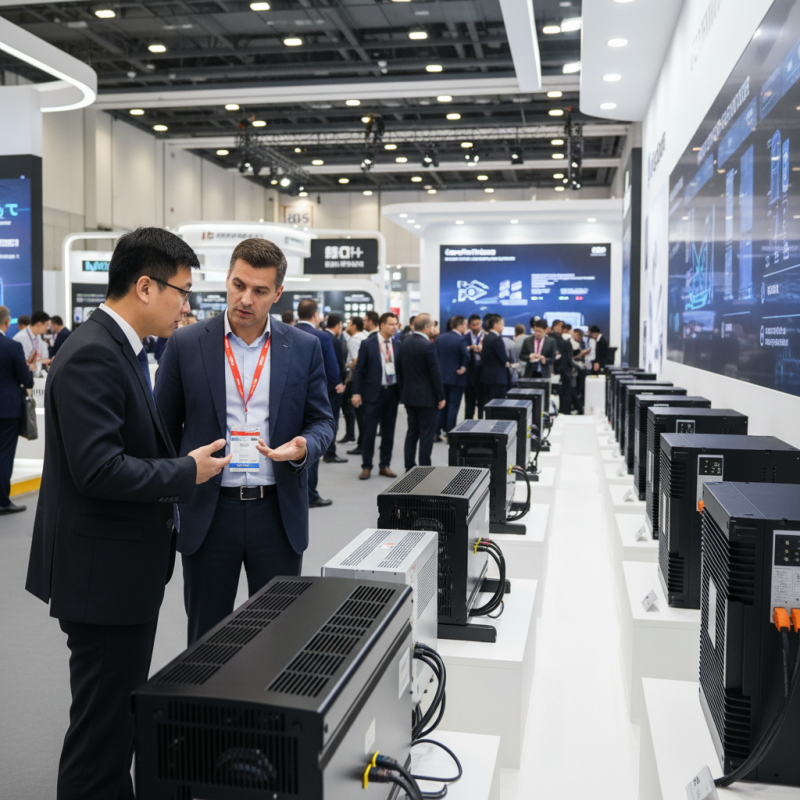
Choosing a Low Frequency Pure Sine Wave Inverter at the Canton Fair can seem daunting. With thousands of options, the need for clear guidance is vital. The Canton Fair, held in April and May 2026, will showcase various manufacturers. This event emphasizes diverse categories, including advanced electronics and home appliances.
When selecting a Low Frequency Pure Sine Wave Inverter, consider essential factors like certification. You want a product that meets ISO or CE standards. The AI-powered search tools at the fair can streamline this process. However, one must remember that not all suppliers highlight their certifications effectively.
Engaging with vendors is crucial. Ask questions and observe their responses. A vendor's expertise can reveal the quality and reliability of their inverters. Don't hesitate to challenge claims. Also, note the physical build and specifications of the inverters on display. Attention to detail can greatly influence your choice.
Understanding the Basics of Low Frequency Pure Sine Wave Inverters
When choosing a low frequency pure sine wave inverter, understanding the basics is crucial. These inverters convert DC power into a cleaner AC output. This quality makes them ideal for sensitive electronic devices. They provide stable voltage and minimal distortion. This ensures better performance and longevity for your appliances.
Consider the inverter's capacity. It should match your power needs. Check the input voltage and ensure it aligns with your battery system. Look for features like overload protection and short circuit protection. These elements enhance safety and reliability. Keep in mind that low frequency inverters are often bulkier. They might weigh more, which affects portability.
Also, think about efficiency ratings. A higher rating means less energy loss, saving you money long term. However, finding the right balance can be tricky. Sometimes, systems with impressive specs don't perform well in real-world scenarios. Testing them in person at the Canton Fair can provide valuable insights. This hands-on experience can highlight both strengths and weaknesses.
Key Considerations When Selecting an Inverter at the Canton Fair
When selecting a low frequency pure sine wave inverter at the Canton Fair, several key factors come into play. Efficiency is one of the most crucial aspects. According to recent industry reports, the average efficiency of leading inverters is around 90% to 95%. This impacts energy consumption directly. A more efficient inverter reduces power loss, helping users save on energy costs over time.
Another consideration is the inverter's output capacity. You need to match it with the demands of your appliances. Some inverters are rated for continuous loads as low as 300 watts, while others can handle up to 5000 watts. Knowing your requirements can prevent purchasing an underpowered inverter. Take note, however, that oversizing can also be an issue. This can lead to wasted energy and increased costs.
Pay attention to the quality of components used in the inverter. Look for products with certifications from recognized standards, as this indicates reliability. The materials often affect not just performance but also longevity. Inverters that utilize subpar materials can fail prematurely, leading to costly replacements. A detailed comparison of specifications can help identify potential shortcomings. Make sure to ask about warranties and customer service options.
Evaluating Technical Specifications: Wattage, Efficiency, and Waveform Quality
When choosing a low frequency pure sine wave inverter, pay close attention to technical specifications. Wattage is crucial. It determines how much power the inverter can provide. Reports suggest that 90% of users need inverters rated between 1000W to 3000W for their devices. This range ensures compatibility with various electronic equipment without overloading the system.
Efficiency is another key factor. Inverters with higher efficiency ratings can save energy and reduce costs. Data indicates that an inverter with 90% efficiency can lead to significant savings over time. Users often overlook this aspect, leading to unnecessary expenses. Choosing an inverter with lower efficiency may seem cheaper at first but can result in higher energy bills.
Waveform quality matters greatly. Pure sine wave inverters produce a cleaner output compared to modified sine waves. Devices such as microwaves and refrigerators may malfunction or operate inefficiently with anything less than pure sine wave output. Yet, some users still choose the modified versions, often without realizing the long-term consequences. Investing in high-quality waveforms pays off in performance and durability of equipment.
Low Frequency Pure Sine Wave Inverter Specifications Comparison
Identifying Reputable Manufacturers and Certification Standards
When choosing a low-frequency pure sine wave inverter at the Canton Fair, identifying reputable manufacturers is essential. Look for companies with a solid track record. A good reputation often reflects quality and reliability. Check their history in the industry. Attend presentations and ask questions. Engaging with representatives can provide insights into their manufacturing processes.
Certification standards are critical as well. Inverters should meet specific safety and performance regulations. Look for certifications like CE, UL, or ISO. These labels indicate compliance with international standards. They signify that the product has undergone rigorous testing. However, not all manufacturers prioritize these standards, so diligence is necessary. Verify certifications before making a decision.
Sometimes, manufacturers may provide vague information about their products. This can be frustrating. Don’t hesitate to dig deeper. Ask for documentation and specific test results. Understanding these details is vital for a confident purchase. Remember to compare different options and read reviews. This approach can help you avoid potential pitfalls. It’s a learning process, one that requires careful consideration and research.
Comparative Analysis of Pricing Trends for Inverters at Trade Shows
When attending trade shows, pricing trends for low frequency pure sine wave inverters can vary significantly. Reports suggest that prices fluctuate based on the season and region. According to industry analysis, prices can drop by as much as 20% during peak exhibition seasons. However, this drop may not reflect the actual product quality. Always remain cautious when evaluating deals.
Understanding the market landscape can help buyers make informed choices. A recent survey indicated that over 70% of buyers experience buyer’s regret due to lack of research. This highlights the importance of comparing specifications and performance metrics alongside pricing. Look for inverters that meet specific power needs rather than going for the cheapest option.
Tips: Always check the warranty details before buying. A solid warranty can indicate product reliability. Additionally, consider attending multiple trade shows to observe pricing trends over time. Track the historical data reported by industry experts for better insights. In the end, knowledge is key to making the right investment.