How to Choose EV Charger Plugs at the 2026 Canton Fair?
The 2026 Canton Fair offers an excellent opportunity for businesses to choose the right EV Charger Plug. This event will take place from April 15 to May 5. It attracts a wide range of manufacturers and suppliers. Understanding the latest trends and technologies in electric vehicle charging is crucial.
At the fair, buyers can utilize AI-driven tools. These tools help efficiently navigate the vast exhibition space of 155,000 square meters. Shoppers can quickly find suppliers with required certifications like ISO or CE. However, not every supplier may meet high quality standards. Some may lack in product innovation or customer support.
While making choices, consider your specific needs like charging speed and compatibility. This process can feel overwhelming given the vast options. Reflecting on your priorities can lead to better decisions. Choosing the right EV Charger Plug could influence your customer satisfaction and long-term success.
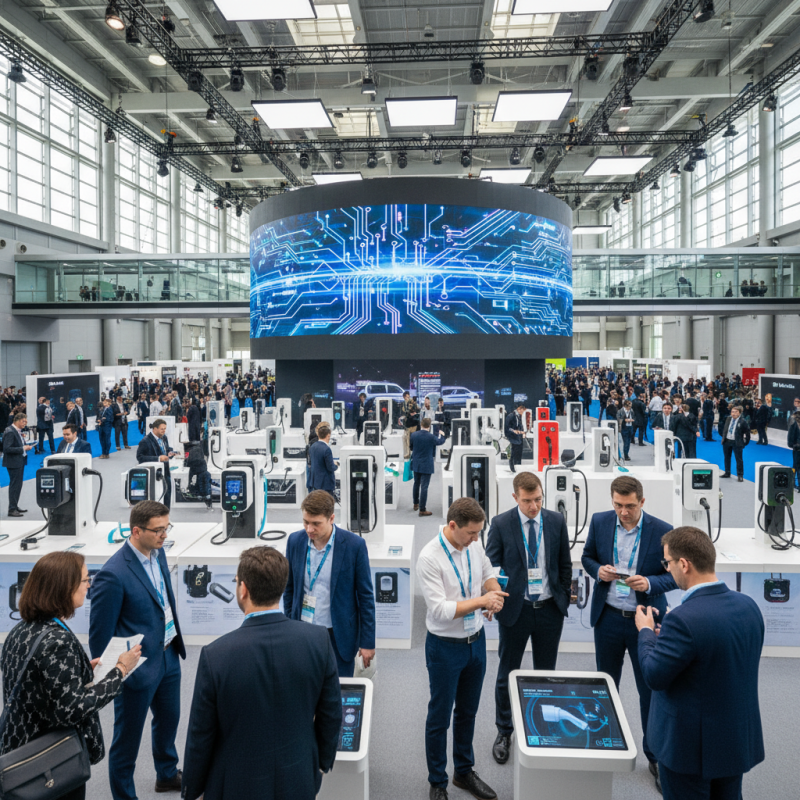
Understanding the Types of EV Charger Plugs Available at the Canton Fair
Choosing the right EV charger plugs at the 2026 Canton Fair can seem overwhelming. The variety available is staggering. There are three main types of plugs commonly found: Type 1, Type 2, and CCS. Each has unique features tailored for different needs. Type 1 plugs work well for North American models. They are simple and efficient, yet limited in range. Type 2 plugs provide faster charging and compatibility for many European vehicles. You might notice a disparity in pricing and quality among vendors.
When exploring the options, pay attention to compatibility. Some plugs may not suit your specific EV model. It's crucial to assess your charging requirements. A plug with a longer cable might be beneficial for more flexibility at home. Additionally, consider the materials used in the plugs. They should be durable yet light. Safety features are essential too. Look for plugs with built-in protections against overheating or overcharging.
Don't rush during this process. It's perfectly normal to feel unsure about which choice to make. Visiting multiple booths may help clarify your options. Engage with manufacturers, ask questions, and compare different products. Sometimes, the best choice isn’t the most expensive one. Finding value in practicality can lead to better long-term satisfaction.
Evaluating Charging Standards: CCS, CHAdeMO, and Tesla Connectors
The choice of EV charger plugs at the 2026 Canton Fair requires careful consideration. Charging standards have become crucial for ensuring compatibility. The three main types are CCS, CHAdeMO, and Tesla Connectors. Each standard has its pros and cons, which need to be evaluated.
CCS, or Combined Charging System, is gaining traction worldwide. According to recent industry reports, it can deliver up to 350 kW of charging power. This makes it suitable for fast charging. In contrast, CHAdeMO has a charging limit of 62.5 kW, which may appear limiting for some users. However, CHAdeMO is widely used in Japan and offers a reliable alternative. Tesla connectors, on the other hand, provide unique advantages for Tesla vehicles but can create exclusivity issues.
Choosing the right charger involves reflecting on various factors. For instance, where will your users primarily charge? What kind of charging speed do they expect? Compatibility issues can arise. As the charging infrastructure develops, flexibility is essential. Different regions may favor different standards, which could complicate user experience. Understanding these differences will help ensure a smoother transition to electric mobility.
Assessing the Importance of IEC 62196 Compliance for Charger Selection
When selecting EV charger plugs at the 2026 Canton Fair, IEC 62196 compliance is crucial. This standard ensures safety and interoperability among different charging systems. Choosing compliant plugs can directly affect charging efficiency and user satisfaction. Non-compliant plugs may lead to compatibility issues. This can cause frustration and delays in charging.
Furthermore, it's important to examine the quality of the materials used. Cheaper components might save costs initially, but could fail sooner. Think about durability and reliability. A robust plug will tend to have a longer lifespan, reducing replacement frequency. Avoid shortcuts in quality during selection.
Evaluating IEC 62196 compliance isn't just about ticking a box. It’s about future-proofing your investments. As technology evolves, adherence to standards will be paramount. However, the task isn't always straightforward. Assessing various options may lead to confusion. Reflect on this during your decision-making process. Consider all aspects, even details you might overlook.
Market Trends: Analyzing the Growth of EV Charger Plugs by 2026 Statistics
The electric vehicle (EV) market is booming. Recent reports indicate that global EV sales will reach over 10 million by 2026. This increase necessitates a rise in EV charger plugs. Analyzing market trends, experts predict a compound annual growth rate of 30% in charger plug sales.
Key factors drive this growth. First, government incentives encourage EV adoption. Countries are implementing policies to support clean energy. Second, advancements in charging technology improve efficiency and convenience. Ultra-fast chargers are expected to dominate the market. The adoption of standardized plugs is also essential, as it simplifies compatibility.
Despite the optimistic outlook, challenges remain. Not all regions have sufficient infrastructure. Many areas still lack accessible charging stations. Consumer education is another hurdle. Many potential buyers are unsure about charging options. This uncertainty may slow down adoption. Stakeholders must address these issues to maximize growth potential.
Sustainability Considerations: Selecting Eco-Friendly Charging Solutions
Choosing eco-friendly EV charger plugs is becoming increasingly important as the world shifts towards sustainability. According to a recent industry report, the global EV charging market is expected to reach $70 billion by 2027. This growth underlines the need for environmentally responsible solutions. Selecting charging plugs that minimize carbon footprints can significantly impact this transition.
Many charging plugs focus on recycled materials and energy efficiency. A study revealed that using sustainable materials could reduce the carbon footprint of chargers by up to 30%. However, some manufacturers still rely on traditional materials. This inconsistency can confuse consumers and hinder eco-friendly choices. Seeking certifications or eco-labels can help identify sustainable products.
While many options exist, not all are perfect. Some eco-friendly chargers may lack optimal performance. Users might experience longer charging times as a trade-off. Balancing sustainability with functionality is crucial. Regular assessments of the product landscape are necessary. Only then can consumers make informed choices that genuinely contribute to a greener future.
EV Charger Plug Types and Sustainability Metrics at the 2026 Canton Fair