How to Choose the Best Solar Power Solutions for Your Home?
Choosing the right solar power solutions for your home is essential in today’s energy landscape. According to the Solar Energy Industries Association, the U.S. solar market grew by 42% in 2020. This trend highlights a shift towards renewable energy. With rising energy costs, many homeowners seek alternative options. Solar power can significantly reduce electricity bills. However, selecting the best solutions can be challenging.
Various factors influence the decision. The size of your roof, local incentives, and energy consumption patterns all play critical roles. A recent report from the National Renewable Energy Laboratory indicates that proper evaluation of these factors can improve solar system performance. The wrong choice might lead to underperformance or high costs. It is vital to think about your long-term energy needs when considering solar power solutions.
As technology evolves, new options become available. Some systems promise higher efficiency but may come at a premium. Researching these innovations can be overwhelming. Homeowners must weigh benefits against costs carefully. Making an informed choice can empower you to enjoy the benefits of solar energy effectively. It's not just about saving money; it’s about investing in a sustainable future for your family.

Understanding Solar Power: Types and Technologies for Residential Use
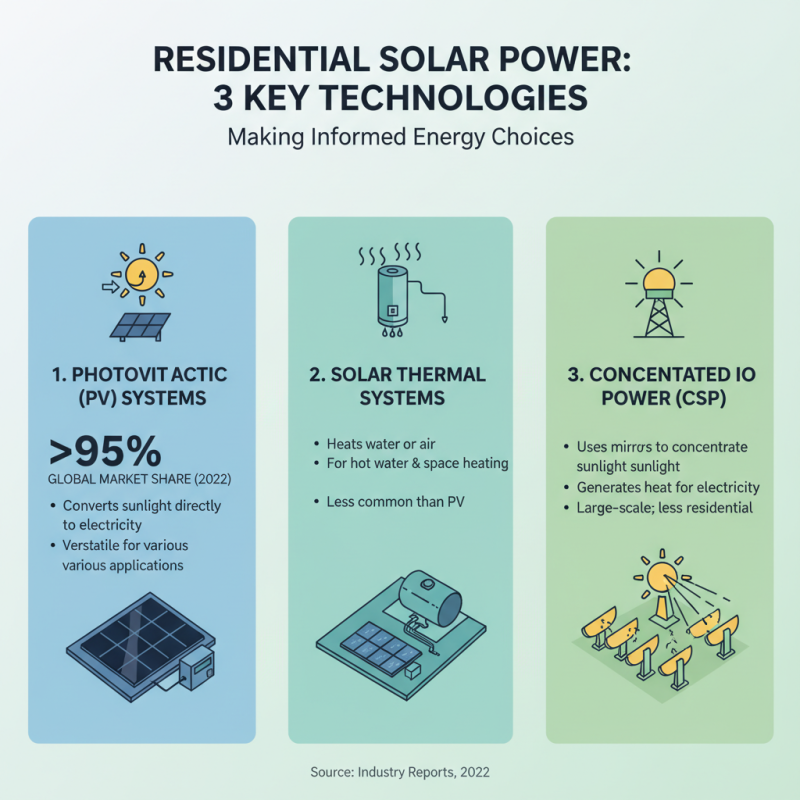
Understanding solar power for residential use is essential for making informed choices. Three main types of solar power technologies exist for homes: photovoltaic (PV) systems, solar thermal systems, and concentrated solar power (CSP). Among these, PV systems are the most widely adopted, accounting for over 95% of the global solar market in 2022, according to industry reports. These systems convert sunlight directly into electricity, making them versatile for various applications.
Solar thermal systems capture sunlight to generate heat. They work well for heating water and can reduce energy costs significantly. However, they are less common in colder climates. CSP systems are more suitable for large-scale installations, utilizing mirrors to concentrate sunlight. Their application in residential settings is limited and often impractical.
Choosing the right solar technology comes with challenges. Installation costs can range from $15,000 to $25,000, depending on system type and local incentives. Homeowners need to consider energy needs, roof compatibility, and financial viability. Reports suggest that up to 80% of potential solar adopters underestimate installation complications. Careful assessment is critical for maximizing the benefits of solar energy.
Evaluating Your Home's Energy Needs: Calculating Consumption and Savings
Calculating your home’s energy needs is essential before choosing solar power solutions. Start by reviewing your recent energy bills. This will help you understand your monthly consumption. Look for patterns in usage. Assessing peak usage times can reveal when you need the most energy.
Also, consider how adding solar may affect your consumption. Small changes can make a significant difference. For example, using energy-efficient appliances may lower demand. Think about your lifestyle, too. Do you work from home? Even minor habits can impact your energy needs significantly.
Lastly, estimate potential savings. Calculate how much you spend on energy annually. Then, consider how much solar might save you. Again, this involves researching local solar rates. It's normal to feel uncertain during this process. Take your time to reassess your findings. Adjustments may be necessary as you learn more.
Assessing Solar Panel Options: Monocrystalline vs. Polycrystalline vs. Thin-Film
When it comes to solar panels, choosing the right type can be daunting. Monocrystalline panels, known for their high efficiency, are made from single-crystal silicon. They perform well in low-light conditions and require less space due to their higher energy output. However, they can be more expensive. It's essential to weigh this cost against your energy needs.
On the other hand, polycrystalline panels are made from multiple silicon crystals. These are generally less efficient than their monocrystalline counterparts. While they are more affordable, they may take up more space. If you have ample roof space, this could be a viable option. Thin-film solar panels are another alternative. They are lightweight and flexible, making installation easier. Yet, their efficiency tends to be lower, which can lead to needing more panels.
Reflecting on these choices, one might find it challenging to discern the best fit. The decision depends on your unique circumstances—space available, budget constraints, and energy needs. Take time to evaluate what aligns best with your lifestyle and preferences. Not every solution is perfect, and some may require adjustments down the line.
Comparison of Solar Panel Types
Financial Considerations: Costs, Incentives, and Long-term ROI for Solar Systems
When considering solar power for your home, financial factors play a crucial role. The initial installation cost can be significant, often ranging from a few thousand to tens of thousands of dollars. It's important to get multiple quotes and understand what is included in the price. Some systems may come with hidden fees or limited warranties, so ask questions.
Incentives can dramatically affect your decision. Many governments offer tax credits, rebates, or other financial incentives to offset installation costs. Make sure to research available options in your area. This can lower your upfront expenses. However, be aware that these incentives can change. Relying solely on them can be risky.
Long-term return on investment (ROI) is another key aspect. While solar panels can save you money on electricity bills over time, the actual savings depend on various factors. Consider your energy consumption, local electricity rates, and system performance. The average ROI period may be anywhere from five to twenty years. Assess whether that aligns with your financial goals. Not every homeowner may find such a lengthy payback period appealing. Evaluate your situation carefully.
Choosing a Reliable Installer: Key Criteria and Industry Standards to Consider
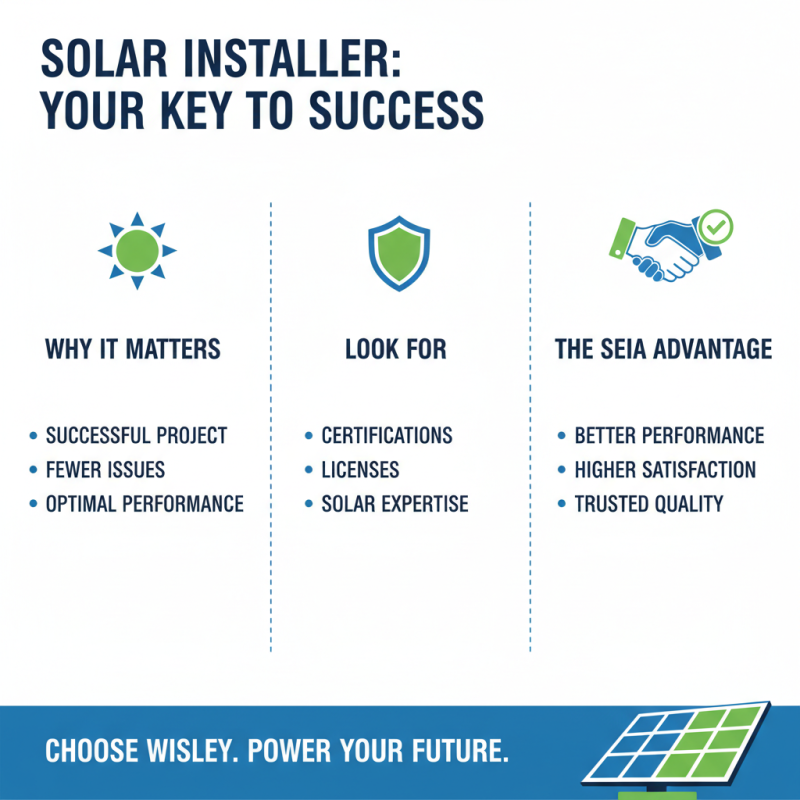
Choosing the right installer for your solar power solutions is crucial. A skilled installer can make the difference between a successful project and one riddled with issues. Look for certifications and licenses specific to solar installation. According to the Solar Energy Industries Association (SEIA), certified installers perform better and have higher customer satisfaction rates.
Experience matters. An installer with a solid track record is more likely to deliver reliable solutions. Ask for references and review past projects. Pay attention to their communication skills. A responsive installer can make the planning process smoother. The U.S. Department of Energy reports that clear communication leads to more efficient installations.
Tip: Check online reviews for installer reputations. A few negative reviews are normal, but consistent complaints raise red flags.
Price is a factor, but it shouldn’t be the only one. The lowest bid may lead to cutting corners. Get quotes from multiple installers but focus on value, not just cost. Quality materials and labor can lead to long-term savings.
Tip: Inquire about warranties on workmanship and equipment. A strong warranty can save you money down the line if issues arise.
It’s essential to reflect on your own needs as well. Consider how much energy you use and your goals for going solar. Each home is unique, and so are its energy requirements. Always prioritize installers who offer customized solutions based on your circumstances.