How to Choose the Best Conveyor Belt Accessories for Your Needs?
In the modern industrial landscape, choosing the right Conveyor Belt Accessories is crucial for operational efficiency. According to a report by MarketsandMarkets, the global conveyor system market is projected to reach $7.9 billion by 2025, highlighting the growth and importance of these systems. Selecting the ideal accessories can optimize performance and reduce downtime, which is vital in a competitive environment.
Companies often overlook small components, but they can make a significant impact. Accessories like belt cleaners, tracking devices, and idlers contribute to the overall system’s longevity. For instance, inadequate cleaning systems can lead to a 25% increase in maintenance costs. Reliable suppliers understand the nuances of conveyor belt accessories and can offer tailored solutions based on specific industry needs.
However, there is a complexity in choosing these accessories. Factors like material compatibility, load capacity, and environmental conditions must be assessed. A mismatch can lead to inefficiencies and expensive repairs. Understanding these dynamics requires experience and insight into industry standards. As the market evolves, it’s essential to reflect on how these choices align with long-term operational goals.
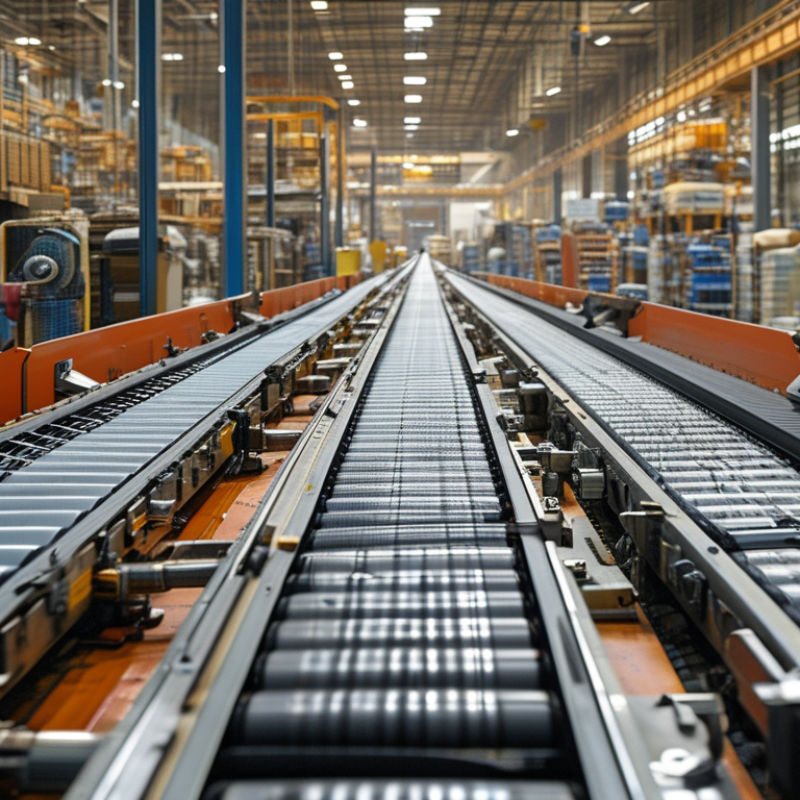
Understanding Conveyor Belt Accessories and Their Functions
When selecting the right conveyor belt accessories, it's essential to understand their roles in your operation. Conveyor belts are integral to manufacturing and logistics. Accessories enhance their performance and efficiency. According to a report by the Conveyor Equipment Manufacturers Association, improper accessory choices can lead to a 30% increase in operational downtime. This highlights the need for careful selection.
Accessories include idlers, pulleys, and belt cleaners, each serving distinct functions. Idlers support the belt and maintain its tension. Pulleys are crucial for belt movement and direction changes. Cleaning systems remove debris, preventing wear on the belt surface. A study by Material Handling Industry found that regular maintenance and effective accessories can improve a conveyor system's lifespan by up to 50%.
However, not every accessory is suitable for every application. Environmental conditions, load types, and belt materials impact accessory effectiveness. Insight into your specific requirements is vital. Many companies overlook these details, leading to inefficient systems. Regularly reviewing your accessory choices can lead to significant improvements.
How to Choose the Best Conveyor Belt Accessories for Your Needs?
| Accessory Type | Function | Material | Recommended Usage |
| Conveyor Rollers | Facilitate movement of the belt and materials | Steel, Plastic | Heavy-duty applications |
| Belt Cleaners | Remove debris from the belt surface | Rubber, Polyurethane | Food processing, mining |
| Skirtboards | Contain materials from falling off the sides | Rubber, Urethane | Bulk material handling |
| Timing Belts | Provide precise movement in machinery | Rubber, Polyurethane | Automated assembly lines |
| Belt Fasteners | Join belt ends securely | Metal, Plastic | General conveyor applications |
Key Factors to Consider When Selecting Conveyor Belt Accessories
Choosing the right conveyor belt accessories is essential for optimizing performance. Start by assessing the specific needs of your operation. Consider the type of materials you handle. Heavy items require different accessories than lighter ones. Evaluate your conveyor's speed and the environment too, such as temperature and humidity levels.
Durability is another key factor. You want accessories that can withstand wear and tear. Look for materials known for their longevity. Check for certifications that indicate quality and reliability.
Also, think about the ease of installation. Some accessories may seem advanced but can complicate maintenance. It’s crucial they fit seamlessly into existing systems. Additionally, consider future scalability. What works now might not suffice later. Keep an open mind; your needs may evolve over time.
Evaluating the Compatibility of Accessories with Your Conveyor System
When choosing conveyor belt accessories, compatibility with your existing system is crucial. It's essential to evaluate the specifications of your current conveyor setup. According to industry reports, about 30% of conveyor issues arise from mismatched accessories. Problems can include poor performance and increased wear and tear. Assessing material compatibility can significantly reduce these risks.
Keep in mind the specific requirements of your operation. Different applications may necessitate unique accessories. For instance, if you're working with heavy materials, consider reinforced belts or heavy-duty pulleys. A thorough breakdown of your system's needs can provide clarity. This step not only ensures proper fit but also enhances overall efficiency.
Tips:
- Research the specifications of each accessory.
- Consult with experts to validate compatibility.
- Regularly review industry standards for best practices.
Even small discrepancies can lead to larger issues down the line. Understanding the nuances between accessories might feel overwhelming, but paying attention to these details pays off. Being proactive can save time and costs associated with frequent repairs.
Cost-Effectiveness and Return on Investment in Belt Accessories
When considering conveyor belt accessories, it's crucial to assess their cost-effectiveness. Investing in quality accessories can save money in the long run. Cheaper options might seem appealing, but they often lead to more frequent replacements and maintenance issues. Understanding the total cost of ownership is vital. It includes initial costs, maintenance, and downtime.
Efficiency improvements are another aspect of return on investment. Better accessories can enhance productivity. For example, durable rollers can reduce friction. This leads to lower energy costs. Each small improvement can accumulate into significant savings over time. Sometimes, it's easy to overlook these factors in the decision-making process.
Analyzing real-world case studies may provide insights. Remember that not every accessory will work for every operation. Finding the right balance between price and performance requires careful consideration. Reflecting on past purchases can clarify what worked and what didn't. Make informed decisions and focus on quality, not just price.
Industry Standards and Regulations for Conveyor Belt Accessories
When selecting conveyor belt accessories, understanding industry standards is crucial. Compliance with regulations ensures safety and efficiency in operations. The Conveyor Equipment Manufacturers Association (CEMA) sets guidelines that many industries follow. This organization provides specifications for various components, enabling manufacturers to produce reliable accessories. According to CEMA, proper installation and maintenance can enhance the lifespan of conveyor systems by 20% or more, reflecting the importance of adhering to standards.
The Occupational Safety and Health Administration (OSHA) enforces regulations that impact conveyor belt operations. These standards are designed to minimize risks associated with conveyor systems and protect workers. For instance, OSHA mandates that guarding must be in place around moving parts. Non-compliance can lead to accidents, potentially resulting in costly downtime and legal issues. Failing to meet these requirements can severely affect a company's reputation and operational efficiency.
In addition, most industries adopt the ISO 9001 framework for quality management. This standard emphasizes continuous improvement, highlighting the need for regular assessments of conveyor accessories. Companies often overlook this, leading to suboptimal performance. It's essential to routinely evaluate any devices, such as pulleys or idlers, to ensure they meet these quality criteria. Addressing gaps in compliance can help avoid sudden failures and enhance overall productivity in conveyor operations.