How to Choose the Best Clean Energy Solutions for Your Home
As the world increasingly prioritizes sustainability, homeowners are exploring various clean energy solutions to reduce their carbon footprints and embrace more environmentally friendly living. According to Dr. Emily Johnson, a leading expert in renewable energy technologies, "The right clean energy solutions not only lower utility costs but also empower individuals to contribute to a healthier planet." This sentiment resonates with many homeowners who are considering a transition from traditional energy sources to greener alternatives.
Choosing the best clean energy solutions for your home can seem daunting amidst the myriad of options available today, ranging from solar panels to wind turbines and energy-efficient appliances. Each solution comes with its unique set of benefits, challenges, and financial considerations that need to be carefully evaluated. It is essential for homeowners to understand their energy needs, budget constraints, and environmental impact when selecting the most appropriate clean energy solutions tailored to their specific circumstances.
In this guide, we will explore key factors to consider when evaluating clean energy solutions for your home, highlighting the advantages and potential drawbacks of popular options. By making informed decisions, you can not only enhance your living environment but also play a vital role in the global transition toward sustainable energy practices.
Understanding Clean Energy Solutions for Residential Use
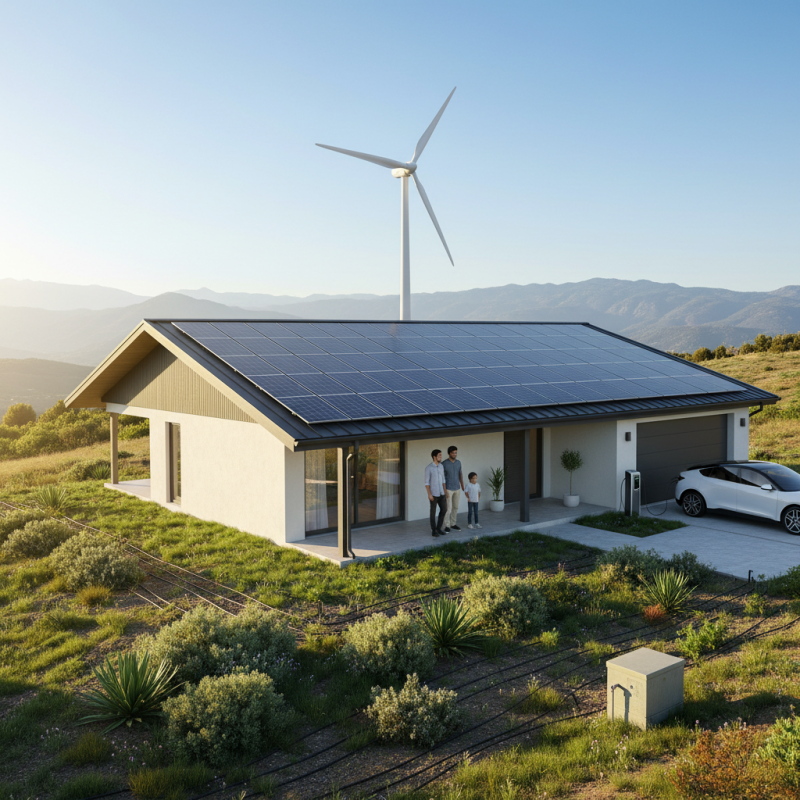
Understanding clean energy solutions for residential use is crucial for homeowners looking to reduce their carbon footprint and embrace sustainable living. Clean energy sources such as solar, wind, and geothermal power not only contribute to environmental conservation but can also lead to significant savings on energy bills.
According to the U.S. Energy Information Administration, approximately 21% of residential energy consumption comes from renewable sources in recent years, highlighting a growing trend towards sustainable energy solutions.
When considering clean energy solutions, homeowners should evaluate their specific energy needs, local climate, and available incentives. For instance, a study by the National Renewable Energy Laboratory indicates that regions with high solar potential can achieve substantial energy independence by installing solar photovoltaic systems. Furthermore, the adoption of energy storage solutions, such as battery systems, can enhance the efficiency of these renewable sources by allowing homeowners to store excess energy generated during peak production times. This adaptability is essential as it maximizes the benefits of clean energy while providing resilience against fluctuating energy prices and grid outages.
Finally, it’s important for homeowners to collaborate with certified energy consultants to identify the best solutions tailored to their circumstances. Local and federal incentives can significantly offset initial installation costs, making the transition to clean energy more feasible. According to the International Renewable Energy Agency, investments in renewable energy not only contribute to lowered emissions but are also projected to lead to millions of new jobs in the green sector, driving both economic and environmental benefits for communities across the globe.
Evaluating Your Energy Needs and Usage Patterns
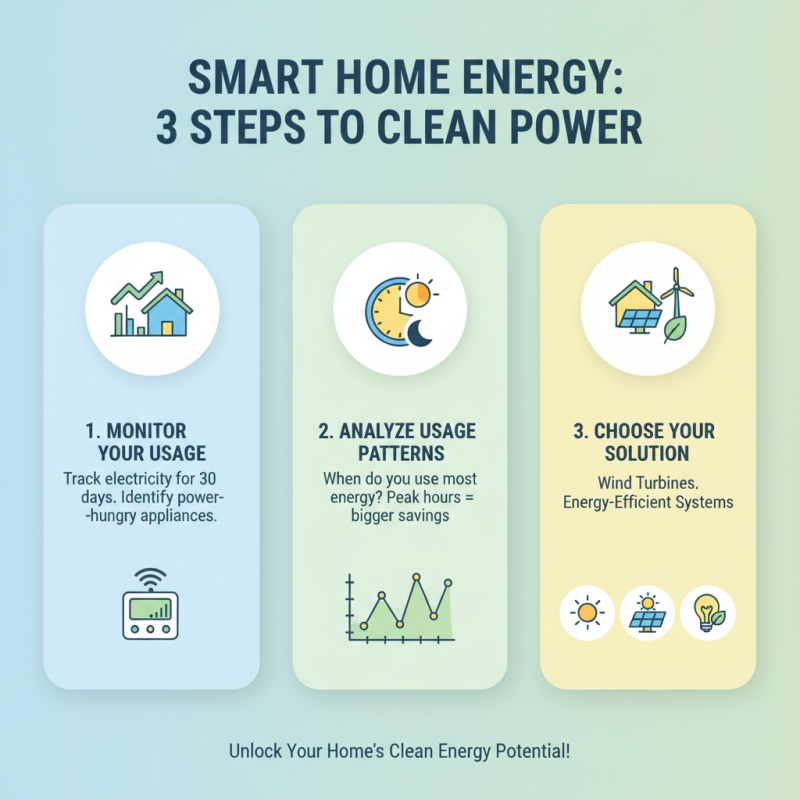
When choosing clean energy solutions for your home, understanding your energy needs and usage patterns is critical. Start by monitoring your electricity consumption over a typical month. Utilize tools like energy monitors to track which appliances consume the most power, and analyze when your usage peaks. This data will help you identify the best clean energy technologies that fit your specific needs, whether it’s solar panels, wind turbines, or energy-efficient systems.
Tips: Consider using energy-efficient appliances that have a lower capacity to minimize overall usage. Implement smart home technologies that allow you to control energy consumption more effectively. Adjust your routines to align with off-peak energy times if your clean energy solution is dependent on the grid.
Once you’ve evaluated your energy needs, think about your long-term goals for sustainability and cost savings. Incorporating battery storage might be a consideration if you generate your energy during the day and wish to use it at night. Investing in energy upgrades like insulation or smart thermostats can further enhance your home's energy efficiency, making the most of renewable energy sources. By aligning your clean energy choices with your consumption patterns, you can significantly reduce your carbon footprint while enjoying cost savings.
Comparing Renewable Energy Options: Solar, Wind, and Geothermal
When considering renewable energy options for your home, solar, wind, and geothermal technologies each offer unique advantages and challenges. According to the U.S. Department of Energy, the potential for solar energy is immense, with solar power systems potentially producing enough electricity to meet the energy needs of approximately 137 million homes by 2030. Solar photovoltaic (PV) systems can be particularly cost-effective, with prices having dropped by nearly 89% since 2009, making it an accessible option for homeowners aiming to reduce their carbon footprint.
Wind energy, while less commonly employed on residential properties compared to solar, is another viable option, especially in areas with consistent wind patterns. The American Wind Energy Association notes that a small wind turbine can offset a significant portion of a household's energy consumption, with the capacity to produce about 400 kilowatt-hours per month. However, homeowners must consider zoning restrictions and potential installation costs, which can vary widely depending on local conditions.
Geothermal energy provides a stable, renewable energy source that utilizes the Earth's constant temperature for heating and cooling. Data from the Geothermal Energy Association indicates that the average geothermal heat pump can reduce heating costs by up to 70% compared to conventional systems. While the initial investment can be substantial, the long-term savings and environmental benefits make it an appealing choice for many homeowners looking to adopt sustainable energy solutions. Each option requires careful consideration of location, upfront costs, and long-term benefits to determine the best fit for individual needs and circumstances.
Comparing Renewable Energy Options for Your Home
Assessing Costs, Incentives, and Long-Term Savings
When assessing clean energy solutions for your home, understanding the associated costs is crucial. Start by evaluating the upfront investment required for various systems, such as solar panels, wind turbines, or geothermal heat pumps. While some options may appear costly at first glance, it’s essential to consider the long-term benefits they offer. Conduct a comprehensive analysis by calculating installation costs, maintenance expenses, and potential savings on energy bills over time. This holistic approach will help you determine if the initial expense is justified by future financial relief and environmental benefits.
In addition to costs, exploring available incentives plays a significant role in your decision-making process. Many local and federal programs provide significant rebates, tax credits, or grants aimed at promoting clean energy adoption. Researching these incentives can significantly lower your overall investment, making some solutions more affordable than you might expect.
Furthermore, long-term savings are not just limited to financial aspects. Clean energy sources can enhance your home’s value and contribute to a sustainable lifestyle, ensuring your investment pays off not only for yourself but also for the environment in the long run.
Finding Qualified Installers and Maintenance Services
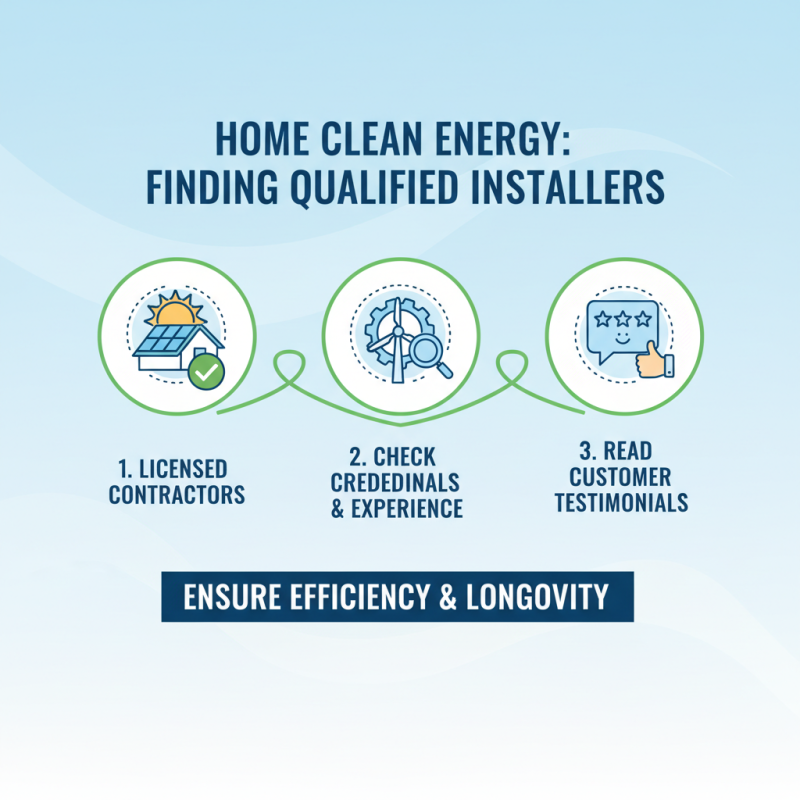
When selecting clean energy solutions for your home, one of the most critical steps is finding qualified installers and maintenance services. A professional installer not only ensures that your energy system is set up correctly but also maximizes its efficiency and longevity. Start by seeking out licensed contractors who specialize in clean energy installations, such as solar panels or wind turbines. Check their credentials and experience, and look for customer testimonials to gauge their reliability and quality of service.
Once you have a list of potential installers, ask them about their maintenance offerings. Regular maintenance is vital for sustaining the performance of your clean energy systems. A reputable service provider should offer comprehensive maintenance packages that include inspections, repairs, and troubleshooting. Additionally, it's beneficial to verify if they provide ongoing support or warranty services, as this can help safeguard your investment and ensure optimal performance over time. By prioritizing qualified professionals in your clean energy journey, you can enjoy the long-term benefits of sustainable living in your home.