China Top Solar Tracker Solutions for Global Buyers?
In recent years, solar trackers have become essential in optimizing solar energy production. This technology helps solar panels follow the sun's path, maximizing exposure and efficiency. China has emerged as a leader in solar tracker solutions, offering a variety of options for global buyers.
Several reputable manufacturers provide advanced designs tailored for different environments. They focus on durability, affordability, and high performance. However, choosing the right solar tracker can be challenging. Buyers must consider specific requirements and local conditions. Factors include installation space, budget, and expected sunlight exposure.
As the market grows, it is crucial for buyers to seek reliable information. They need to evaluate suppliers based on their expertise and track record. Engagement with trusted sources is vital in this rapidly evolving industry. While many products are available, careful selection ensures optimal investment in solar tracking technology.
Overview of Solar Tracker Technology in China
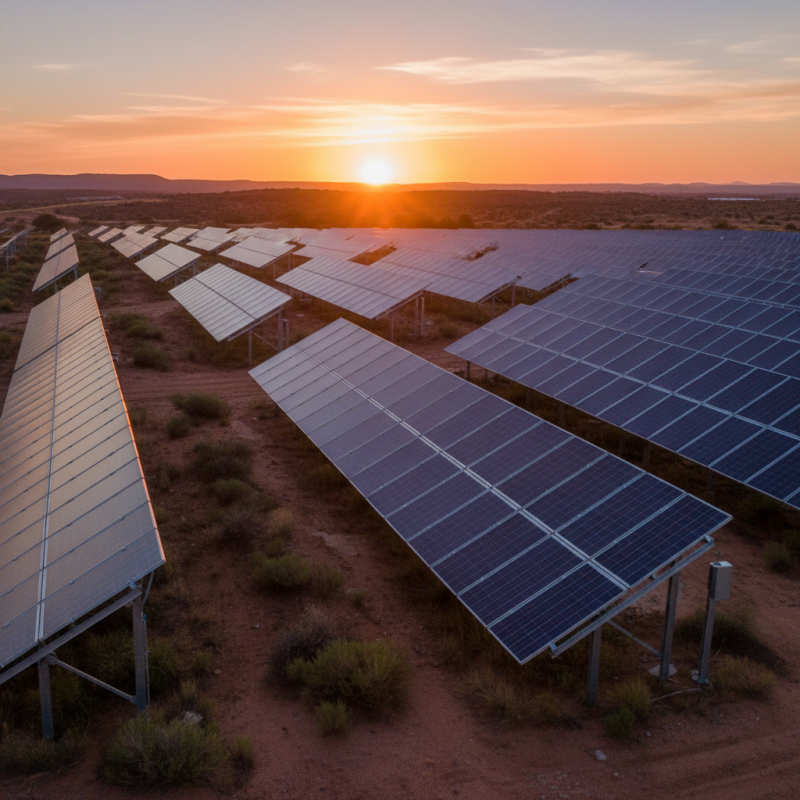
Solar tracker technology has gained significant traction in China. This innovation enhances the efficiency of solar panels by adjusting their angles throughout the day. As a result, the solar panels capture more sunlight and generate more energy. This technology can increase energy production by 20 to 30 percent compared to fixed installations. Such efficiency is crucial as global energy demands rise.
In recent years, many Chinese companies have begun investing in advanced solar tracker solutions. The emphasis is on developing more durable and weather-resistant components. However, challenges remain. Some products may struggle under extreme conditions or face installation difficulties. Moreover, balancing cost and quality can be tricky. Buyers need to consider these factors carefully to ensure they invest wisely.
China's solar tracker market offers various options for global customers. The competitive landscape drives price reductions. Yet, buyers must critically assess each provider’s reputation. Finding reliable manufacturers requires meticulous research. The landscape is evolving, and staying informed is essential for making the best choice.
China Top Solar Tracker Solutions for Global Buyers
| Tracker Type |
Tracking Method |
Typical Efficiency Gain |
Installation Cost (per MW) |
Durability |
| Single Axis |
Horizontal |
25-35% |
$800,000 - $1,200,000 |
25 years |
| Dual Axis |
Spherical |
35-45% |
$1,200,000 - $1,800,000 |
30 years |
| Smart Trackers |
AI Optimized |
30-50% |
$1,500,000 - $2,000,000 |
30 years |
| Cpv Trackers |
Concentrated PV |
40-60% |
$1,800,000 - $2,500,000 |
25 years |
Leading Solar Tracker Manufacturers in China
China has emerged as a strong player in the global solar tracker market. Recent reports indicate that over 30% of the world's solar trackers are manufactured in China. The country's advanced manufacturing capabilities, combined with competitive pricing, attract buyers from around the world. This growth illustrates China's commitment to renewable energy and the increasing demand for efficient solar solutions.
Leading manufacturers in China focus on innovation and quality. They are developing advanced technologies to enhance energy capture. Many of these companies invest heavily in research and development. Recent studies show that solar trackers can boost energy production by up to 25% compared to fixed systems. This improvement is significant for buyers looking to maximize their investments.
Tips: When choosing a solar tracker, consider the manufacturer's experience and technological advancements. It's also essential to evaluate customer reviews and case studies. Doing thorough research can help buyers make informed decisions. The market is dynamic, and new technologies emerge frequently. Keep an eye on trends to ensure you select the best option for your needs.
Key Features of China's Solar Tracker Solutions
China has emerged as a leader in solar tracker solutions, offering innovative technologies that enhance energy efficiency. These solutions typically feature advanced sensors and sophisticated algorithms. They optimize the angle of solar panels throughout the day to capture maximum sunlight. This capability increases energy output significantly compared to fixed installations.
Moreover, many of these trackers are designed for varied terrains. Some can adapt to uneven landscapes, ensuring reliable performance in diverse environments. These features cater to the needs of global buyers looking for customizable options. However, buyers should also consider potential maintenance challenges. The complexity of technology can lead to higher upkeep costs.
Another notable aspect is the environmental sustainability of materials used in trackers. Many manufacturers prioritize eco-friendly components. This dedication can resonate well with environmentally conscious buyers. However, the reliability of these materials in extreme weather still needs evaluation. Balancing innovation with durability remains a crucial focus in addressing buyer concerns.
Global Market Trends for Solar Trackers
The global market for solar trackers is undergoing significant transformation. As energy demands grow, so does interest in solar technology. Solar trackers enhance energy capture by tilting panels towards the sun. This technology is becoming essential for efficient solar energy systems.
Emerging markets are increasingly investing in solar infrastructure. Countries in Asia, Africa, and South America are discovering the benefits of solar energy. However, adapting to local conditions is challenging. Not every region has the same sun exposure or landscape. This variation affects the effectiveness of different solar tracker designs.
Understanding local environments is crucial for success. Some areas may face regulatory hurdles. This can slow down adoption rates. Buyers must consider these factors when exploring solar tracker options. Insight into local market trends allows for better decision-making. Tracking these shifts in the solar industry can lead to fruitful investments.
Case Studies: Successful Solar Tracker Implementations Worldwide
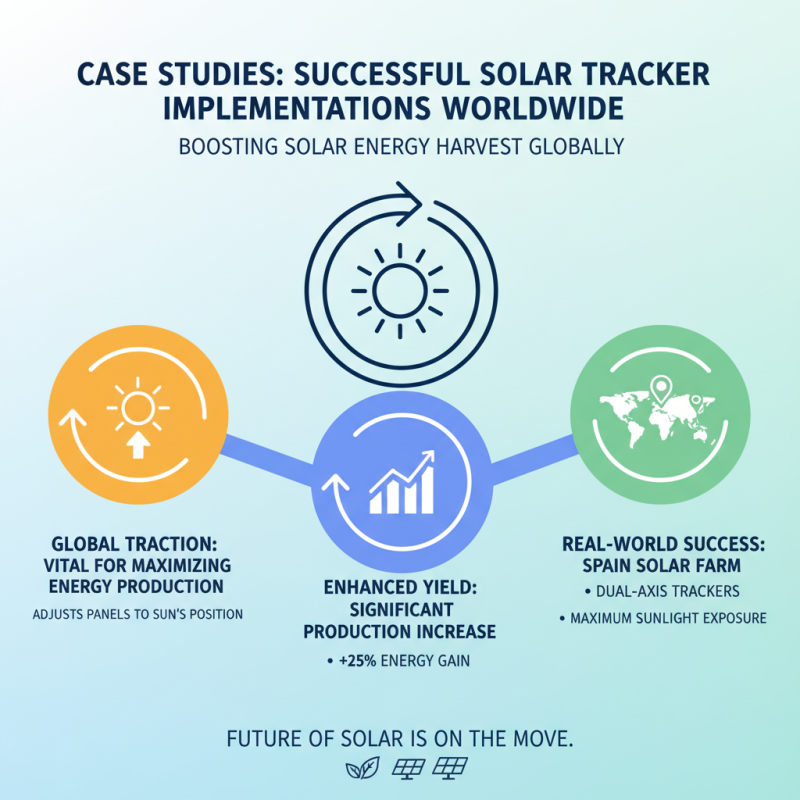
Solar trackers are gaining traction as a vital component in solar energy systems worldwide. They enhance energy production significantly by adjusting the panels according to the sun’s position. Successful implementations exist in various settings, showcasing their effectiveness. For instance, a solar farm in Spain increased energy yield by 25% after installing a dual-axis solar tracker system. This adjustment allows for maximum exposure to sunlight throughout the day.
One notable case is in the deserts of the Middle East. A massive solar project shifted from fixed to tracking systems. Initial challenges arose, such as maintenance and cost management. Learning from these hurdles, the project team optimized operations, resulting in improved efficiency. The improvement highlighted the importance of adapting technology to local conditions and project needs.
Tips: When considering solar trackers, reflect on your site’s specific conditions. Assess sunlight patterns and climate before making decisions. Additionally, involve experienced professionals early in the planning stage. Their insights can save time and resources. Emphasizing flexibility in your solar strategy can lead to smarter, more efficient implementations.