
Choosing an EV supplier is no longer just about buying charging units. Global buyers must weigh uptime, software compatibility, local service, grid capacity, and the cost of keeping equipment running. A charger may look impressive in a brochure, yet perform poorly in a busy depot or a cold, exposed parking lot. Details matter.
The International Energy Agency’s Global EV Outlook 2024 reported that public charging points worldwide grew by about 40% in 2023. Fast chargers grew even faster, at roughly 55%. These figures show rapid expansion, but they do not guarantee reliable access in every region. As IEA Executive Director Fatih Birol has said, “The future of the car industry is electric.” Infrastructure will help determine how smoothly that future arrives.
This guide compares 10 suppliers for buyers planning networks across different markets. It considers product range, charging speed, software, deployment experience, and support—not just headline specifications. Some suppliers excel at high-power public charging; others suit workplaces, fleets, or residential projects. The right choice depends on local electricity supply, vehicle mix, and realistic maintenance plans. There is no perfect shortlist. Even strong vendors can leave buyers with unanswered questions about integration or service response. That deserves scrutiny. Ev Infrastructure is a long-term operating decision, not simply a hardware purchase.
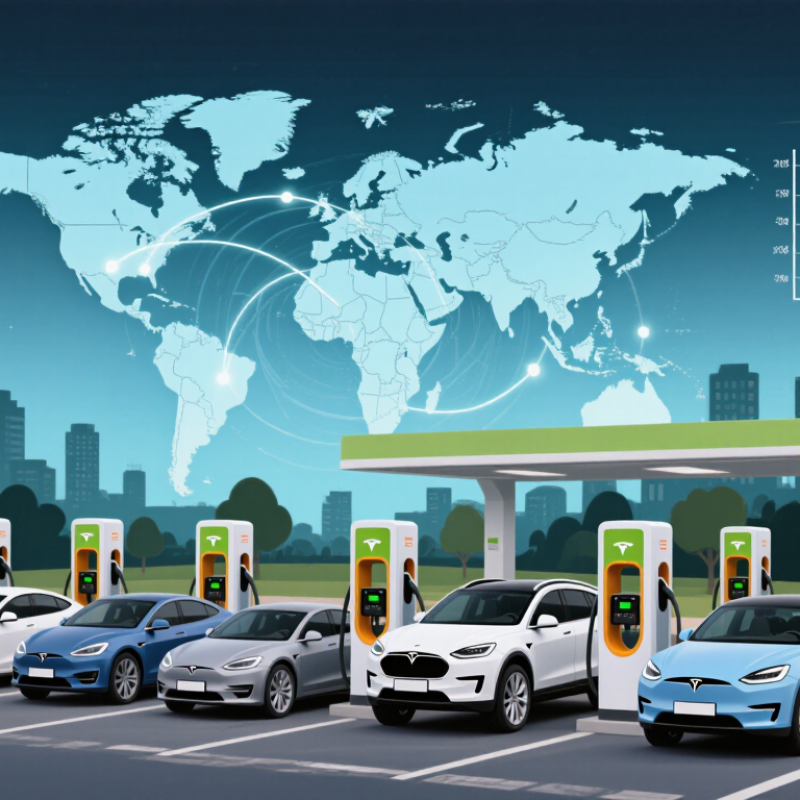
EV infrastructure suppliers support more than charger sales. They may assess traffic, parking dwell times, electrical capacity, and future demand before equipment is chosen. A depot with overnight parking needs a different layout from a roadside stop with brief visits. Small details matter. Cable reach, weather exposure, and accessible bay design all affect daily use.
Suppliers can provide AC and DC charging hardware, power cabinets, network software, and energy-management tools. Software lets operators monitor sessions, set access rules, view faults, and process payments. Some systems balance charging across vehicles when site capacity is limited. That can reduce peak loads, but it does not replace a proper electrical study.
Installation support may include trenching plans, commissioning, and coordination with electricians and utility providers. Clear documentation helps when equipment changes hands.
After launch, service teams may handle diagnostics, firmware updates, spare parts, and repairs. Buyers should ask about response times, parts availability, data ownership, and support outside business hours. Interoperability also deserves a close look: chargers, vehicles, and payment systems need to work together in real conditions.
Specifications can look convincing on paper. Field performance is less tidy. A failed connector on a rainy night can matter more than a polished dashboard. Suppliers are most useful when they make these unglamorous details clear before a site goes live.
Global EV infrastructure projects succeed when suppliers fit local conditions, not just equipment specifications. IEA’s Global EV Outlook 2024 reports that public charging points exceeded 4 million worldwide in 2023, after more than 1.3 million were added that year. That rapid growth makes supplier selection consequential. Check whether chargers support recognized communication protocols, local payment methods, and the grid voltage used at each site. Ask for field-test records, component warranties, and documented response times for faults. A polished proposal is not proof of reliable service.
Compare suppliers across the full project lifecycle. Request references from climates and grid conditions similar to yours, then verify uptime figures and how they were measured. Review spare-parts access, technician coverage, software updates, and remote diagnostics. Confirm that site designs allow safe maintenance and future capacity upgrades. IEA data also shows fast-charger deployment grew by 55% in 2023, but faster charging can demand costly grid upgrades. A spreadsheet may overlook that. So can a rushed procurement team.
Tips: Ask suppliers to price one sample site, including installation, grid connection, maintenance, and downtime assumptions. Have an independent engineer check the estimate. Small discrepancies matter. Compare total cost over the expected service life, not only the purchase price, and record any assumptions that remain unverified.
Global buyers should compare ten core offering areas: home AC units, workplace chargers, public DC fast chargers, and high-power charging cabinets. Portfolios may also include fleet-depot systems, charging-management software, roaming and payment tools, load balancing, battery-integrated sites, and installation and maintenance. The IEA’s Global EV Outlook 2024 reported more than four million public charging points worldwide by the end of 2023. Public charging capacity still varies sharply between regions.
Look beyond rated power. Check connector options, network compatibility, warranty terms, field-service coverage, and published uptime data. Ask suppliers how they handle peak demand at a busy depot, where several vehicles may charge at once. A polished specification sheet can still hide weak service coverage. That deserves scrutiny.
Tips: Request a site-specific load study and a written maintenance plan. Compare total operating costs, not just charger prices. Pilot a small installation first; real usage may challenge your assumptions.
EV infrastructure suppliers differ because local operating conditions shape what “reliable” means. In Europe, buyers may prioritize interoperability, dense-site layouts, and equipment tested through wet winters. In parts of North America, utility coordination, long service distances, and clear field-support coverage can matter more. These are patterns, not rules; a rural highway site and a city depot have different demands.
Across Asian markets, high utilization and limited urban space can favor compact equipment and fast maintenance access. In regions with weaker grid capacity, suppliers may need to support load management, energy storage, or gradual site expansion. Details matter. Ask how a supplier handles heat, dust, spare parts, and repairs outside major cities. A polished specification sheet cannot show whether a technician can reach a remote charger within a day.
Global buyers should compare local commissioning experience, measured uptime, warranty exclusions, and software update procedures. Ask for evidence. Request references from sites with similar climates, traffic, and grid constraints, then verify what “uptime” actually includes. Supplier claims are not always directly comparable, and even careful due diligence can miss a local bottleneck. That gap deserves attention before contracts are signed.
Choosing EV infrastructure starts with the vehicles and the site, not a headline charging speed. Map daily mileage, dwell time, fleet peaks, and expected growth. A depot where vehicles return at 6 p.m. needs a different layout from a roadside stop. Measure twice. Check grid capacity, transformer limits, and utility upgrade timelines before ordering equipment. A capable charger is little help if the site connection arrives months later.
Confirm that connectors, charging protocols, and power levels suit the vehicles expected to use the site. Consider how many vehicles may charge at once, and whether load management can reduce expensive demand peaks. Allow space for turning vehicles, accessible routes, drainage, and future expansion. Small layout errors become daily annoyances. They can also make maintenance harder.
Ask suppliers for clear uptime data, warranty terms, spare-parts availability, and a realistic service response plan. Review software interoperability and cybersecurity practices, rather than assuming every system will work together. During commissioning, test chargers under actual site conditions, including weak network coverage and cold or wet weather. Plans will change; demand estimates are often imperfect. That is a reason to phase installation and track usage, not to overbuild on guesswork. Keep a record of faults, charging sessions, and repair times from the first month.