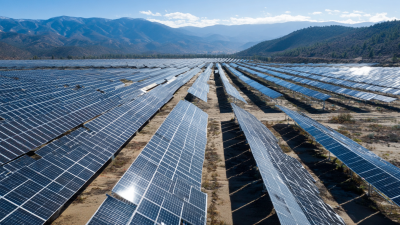
The transition to renewable energy sources has become imperative for businesses seeking both sustainability and financial efficiency. Among the various options available, industrial solar energy stands out as a viable and effective solution. According to a report by the International Energy Agency (IEA), solar energy is projected to account for 25% of the global electricity generation by 2025, highlighting its significant role in the future energy landscape. This rapid growth is mirrored in the industrial sector, where companies are increasingly utilizing solar installations to offset energy costs and reduce greenhouse gas emissions.
The benefits of adopting industrial solar systems extend beyond just cost savings. Research from the U.S. Department of Energy indicates that businesses that switch to solar can expect an average return on investment (ROI) of 20% over the lifetime of their installations. Furthermore, with the declining costs of solar panels and advancements in technology, many organizations are realizing the competitive edge that renewable energy can provide. This shift not only promotes a greener economy but also positions companies favorably in a market that increasingly values sustainability. As we explore the top 10 benefits of industrial solar energy for businesses in 2023, it becomes clear that the shift to this renewable resource is not just a trend, but a strategic imperative for forward-thinking organizations.
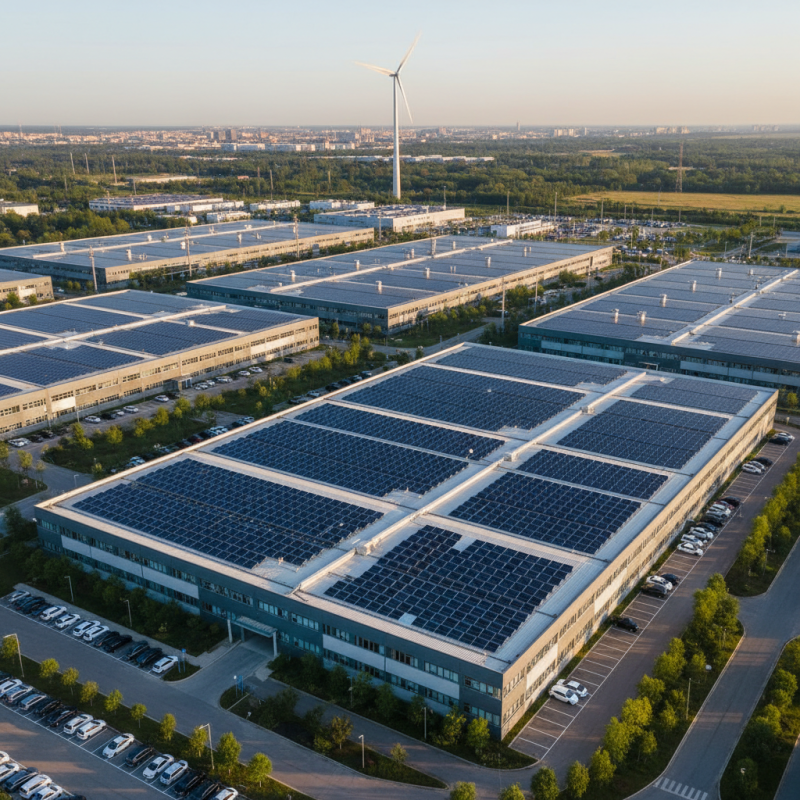
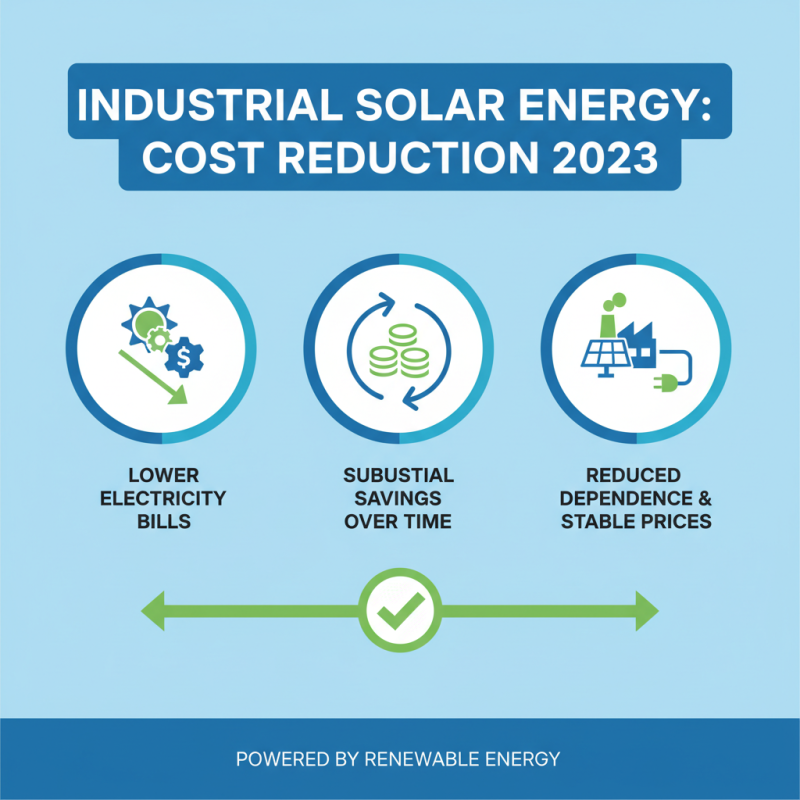
Industrial solar energy has emerged as a compelling solution for businesses seeking substantial cost reduction in 2023. By harnessing the power of the sun, companies can significantly lower their electricity bills. The initial investment in solar technology often leads to impressive savings over time. With more affordable solar panel installations, businesses can rely on renewable energy to reduce their dependence on traditional power sources, which frequently come with fluctuating prices.
Moreover, the implementation of solar energy systems can provide significant tax benefits and incentives. Governments around the world are increasingly supporting the adoption of renewable energy to combat climate change, which means businesses can take advantage of various subsidies and tax credits. This not only reduces the upfront costs associated with installing solar panels but also enhances overall financial planning by providing a more predictable energy expense. As energy costs continue to rise, the financial advantages of solar energy will only become more pronounced, making it an attractive investment for businesses looking to improve their bottom line while promoting sustainability.
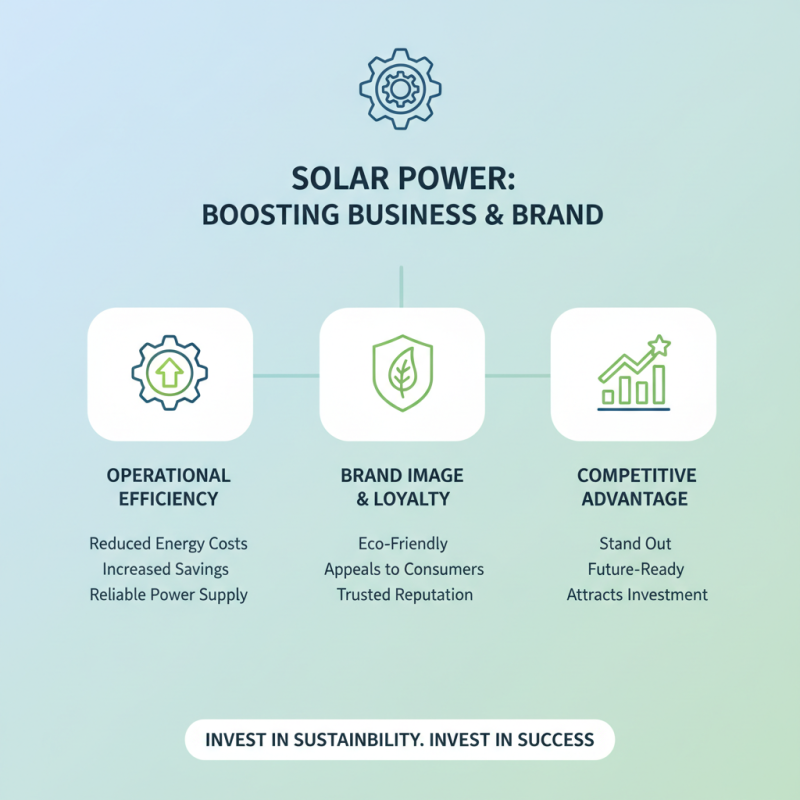
Solar energy is rapidly becoming a preferred choice for businesses aiming to mitigate their environmental impact while enhancing operational efficiency. By harnessing solar power, companies can significantly reduce their carbon footprint, contributing to a more sustainable future. The process of generating electricity from solar panels involves no harmful emissions, effectively eliminating the greenhouse gases typically associated with fossil fuel-based energy sources. When businesses invest in solar energy, they not only decrease their reliance on non-renewable resources but also play a crucial role in combating climate change.
Moreover, the shift to solar energy can have profound implications for a company's public image. Organizations committed to sustainability and environmentally friendly practices often attract positive attention from consumers and stakeholders. By reducing carbon emissions through solar energy, businesses can promote their commitment to environmental responsibility, enhancing their brand reputation. This shift not only helps in meeting regulatory requirements but also aligns with the growing consumer demand for eco-friendly practices, ultimately fostering a competitive edge in the marketplace. The integration of solar power is not merely an investment in energy; it's an investment in the planet’s future, showcasing how businesses can lead in sustainability efforts while achieving substantial economic benefits.
In 2023, the shift towards solar energy has become a pivotal strategy for businesses seeking to enhance their energy independence. Industrial operations, often burdened by fluctuating energy costs and dependence on conventional power sources, can significantly benefit from solar solutions. According to a report from the International Energy Agency (IEA), solar capacity in industrial settings could reduce grid reliance by up to 30%, enabling companies to enjoy more stable and predictable energy expenses.
Implementing solar energy systems not only fosters independence but also contributes to sustainability goals. A study by the Solar Energy Industries Association (SEIA) noted that companies adopting solar can reduce their carbon footprint by more than 40%, addressing stakeholder demands for environmental responsibility. Additionally, with the advancement in energy storage technologies, businesses can effectively manage energy supply even during non-sunny periods, further enhancing their operational resilience.
**Tip:** To maximize energy independence, businesses should conduct a thorough energy audit to identify their specific needs. This step can help tailor solar solutions to match their operational patterns effectively. Moreover, exploring tax incentives and rebates for renewable energy installations can significantly reduce the initial investment, allowing companies to reap the benefits of solar energy sooner.
| Benefit | Description | Impact |
|---|---|---|
| Cost Savings | Reduction in electricity bills through the use of solar energy. | Significant reduction in operational costs. |
| Energy Independence | Reduced reliance on traditional energy sources and grid energy. | Increased self-sufficiency in energy consumption. |
| Sustainability | Utilization of renewable energy sources minimizes environmental impact. | Enhances corporate social responsibility. |
| Tax Incentives | Availability of tax credits and rebates for solar installation. | Financial relief and improved ROI on investments. |
| Increased Property Value | Solar installations can enhance property value. | Potentially higher resale value for the business. |
| Low Maintenance Costs | Solar systems require minimal maintenance compared to other energy sources. | Lower long-term operating expenses. |
| Job Creation | Growth of the solar industry leads to more job opportunities. | Economic growth within the community. |
| Energy Reliability | Solar energy systems can reduce the risk of outages. | Increased operational reliability for businesses. |
| Brand Image Improvement | Adopting green technology enhances brand reputation. | Attracts environmentally conscious customers. |
| Adaptation to Regulations | Compliance with increasing environmental regulations. | Avoidance of penalties and fines. |
In 2023, businesses are increasingly recognizing the financial benefits of adopting industrial solar energy, particularly due to the array of solar incentives available. The Solar Energy Industries Association (SEIA) reported that the federal Investment Tax Credit (ITC) allows organizations to deduct 26% of the installation costs of solar systems from their federal taxes, significantly reducing the upfront investment. Additionally, many states offer rebates and performance-based incentives that can further enhance the return on investment, effectively making solar installations more economically feasible for businesses of all sizes.
Furthermore, the Energy Information Administration (EIA) indicates that commercial solar energy systems can lead to substantial savings on energy bills. With the rising cost of electricity, businesses that switch to solar can lock in their energy costs for decades, which is not only beneficial for cash flow management but also provides budget certainty amid fluctuating energy prices. Furthermore, the adoption of solar energy positions companies favorably in terms of corporate sustainability goals, potentially attracting a broader customer base that values environmental responsibility. As industries strive for greener practices, the combination of financial incentives and operational savings makes industrial solar energy a compelling option for smart business strategies in 2023.
In today's eco-conscious marketplace, businesses that invest in industrial solar energy not only enhance their operational efficiency but also elevate their brand image significantly. By adopting solar energy systems, companies demonstrate a clear commitment to sustainability, appealing to environmentally-minded consumers and stakeholders. This proactive approach not only distinguishes them from competitors but also fosters customer loyalty, as consumers increasingly prefer brands that prioritize ecological responsibility.
Moreover, incorporating solar energy into business practices serves as a powerful marketing tool. It allows companies to showcase their dedication to reducing carbon footprints and mitigating climate change. This transparency can lead to improved public perception and greater trust among customers. The visual representation of solar panels can effectively communicate a company's forward-thinking attitude, making sustainability a central part of its narrative. Thus, as businesses align with sustainable practices through solar energy, they position themselves as leaders in corporate social responsibility, paving the way for long-term success and positive community impact.