What Are the Benefits of Green Power Solar in China?
Green power solar is rapidly gaining traction in China. The nation is focusing on renewable energy to combat pollution and climate change. This shift represents a significant step towards a sustainable future.
Solar energy offers numerous benefits. It reduces dependency on fossil fuels and lowers greenhouse gas emissions. By harnessing sunlight, China can improve air quality and public health. Moreover, green power solar creates job opportunities in manufacturing and installation. Solar technology can also enhance energy security.
However, there are challenges to consider. The initial investment can be high, and solar energy production is affected by weather patterns. Despite these issues, the long-term advantages of green power solar in China are compelling. Embracing this technology could lead to a cleaner and greener environment for all.
Benefits of Green Power Solar for Renewable Energy Growth in China
Green Power Solar is crucial for renewable energy growth in China. The nation is the largest solar energy producer globally, with an installed capacity exceeding 300 GW in 2022. This expansion is vital for meeting its carbon neutrality goal by 2060. According to the International Energy Agency, solar energy could supply around 20% of China’s total energy needs by 2030. Such data highlights the transformative impact of Green Power Solar on China’s energy landscape.
Moreover, Green Power Solar contributes significantly to energy security. The reliance on fossil fuels poses risks to both the environment and the economy. With coal accounting for approximately 57% of China's energy consumption, diversifying energy sources is essential. In provinces like Qinghai, solar energy already meets 99% of demand. This remarkable shift not only reduces emissions but also empowers local communities through job creation and economic diversification.
However, there are challenges. The integration of solar power into the existing grid can be complex. Energy storage and grid management require further advancement. Balancing renewable sources with demand remains a critical hurdle. As the industry grows, addressing these issues will be essential for long-term sustainability.
Economic Advantages of Switching to Solar Energy in China
The shift to solar energy in China brings noteworthy economic benefits. A report by the International Renewable Energy Agency (IRENA) indicates that solar power could save China over $30 billion annually in energy costs by 2030. This potential savings can significantly boost the economic stability of households and small businesses alike.
Employment growth is another crucial advantage. The SolarPower Europe report revealed that China could create over 1.5 million new jobs in the solar sector by 2025. These jobs range from manufacturing to installation and maintenance. However, the challenge lies in ensuring that the workforce is adequately trained. Investing in education and training programs is essential for maximizing this potential.
Moreover, solar energy can diminish reliance on imported fossil fuels. China spent nearly $200 billion on fuel imports in 2020. Transitioning to solar energy mitigates this financial burden, allowing the government to allocate resources to other sectors. Despite the clear economic prospects, challenges remain, especially in technology adoption and infrastructure development. Striking a balance between innovation and practicality is vital for sustainable growth in the solar sector.
Environmental Impact of Green Power Solar Adoption in China
The environmental impact of green power solar adoption in China is profound. Solar power reduces greenhouse gas emissions significantly. According to a report from the International Renewable Energy Agency, solar energy can cut carbon dioxide emissions by over 900 million tons annually in China. This reduction contributes to local air quality improvement. Cleaner air translates to better health for residents in urban areas.
Additionally, increased solar energy usage can minimize reliance on fossil fuels. China aims to reach carbon neutrality by 2060. Transitioning to solar energy can help achieve this goal. The National Energy Administration reported that nearly 15% of total energy consumption in China came from renewable sources in 2020. This shift demonstrates commitment but raises questions about grid stability and energy storage.
Adopting green power solar also presents challenges. The rapid expansion of solar farms can disrupt local ecosystems. Furthermore, managing waste from solar panels remains a pressing issue. Proper recycling methods are essential, as improper disposal can lead to soil and water contamination. Balancing growth and sustainability is crucial for long-term benefits.
Technological Innovations Driving Green Power Solar Solutions in China
Technological innovations are reshaping the green power solar landscape in China. Recent advancements are making solar panels more efficient and accessible. Enhanced photovoltaic materials capture more sunlight, increasing energy output. This improvement reduces the need for land and resources, addressing environmental concerns.
Smart inverter technology is another key development. These inverters optimize energy conversion, ensuring that solar electricity is used efficiently. They help reduce energy wastage during peak hours. This means homes and businesses can benefit from more reliable solar power, contributing to energy security.
Despite these advancements, challenges remain. The initial setup costs can still be a barrier for many. Additionally, maintenance and repair can be complex. Addressing these difficulties requires ongoing research and policy support. The potential for growth in the solar sector is enormous, but continuous innovation is essential to overcome these obstacles.
Government Policies and Incentives Supporting Solar Energy Development in China
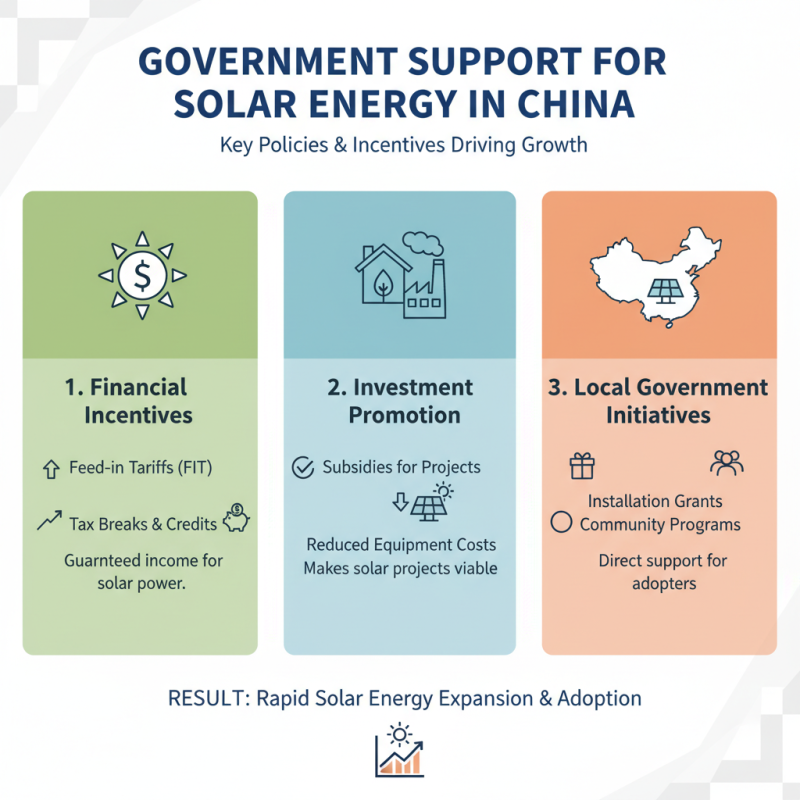
China has made significant strides in solar energy development, largely due to supportive government policies and incentives. The country has implemented various measures to promote solar power, including feed-in tariffs and tax breaks. These initiatives encourage investments by making solar projects financially viable. Additionally, local governments often provide subsidies for solar installations, further reducing costs for both businesses and homeowners.
However, despite these advancements, there are challenges that need addressing. Some regions lack adequate infrastructure to support large-scale solar energy deployment. Additionally, there are inconsistencies in the enforcement of policies at the local level. These disparities can lead to confusion among investors and project developers. Moreover, while incentives can drive growth, they can also create a dependency on government support. A balanced approach is essential for sustainable growth in the solar sector. Evaluating both the benefits and limitations of these policies will be crucial as China continues to expand its renewable energy landscape.