2026 Top Hydraulic Winch Buying Guide for Global Buyers
As industries across the globe evolve, the demand for high-quality hydraulic winches continues to rise. Recent industry reports indicate that the hydraulic winch market is projected to grow significantly, driven by the increasing need for efficient lifting and pulling solutions in construction, marine, and mining sectors. According to a report by Grand View Research, the global hydraulic winch market size is expected to reach USD 1.2 billion by 2026, reflecting a robust CAGR of 5.7%.
Hydraulic winches offer reliability and power, making them essential tools in various applications. These devices can handle heavy loads with ease, providing safety and efficiency on job sites. However, selecting the right hydraulic winch can be challenging. Buyers often face numerous options with differing specifications and capabilities. Understanding these aspects is crucial for making an informed decision.
While many manufacturers emphasize quality, not all products meet the same standards. It’s vital for buyers to research and compare hydraulic winches thoroughly. Inconsistencies in performance and durability can lead to significant operational setbacks. Therefore, a comprehensive understanding of features, specifications, and industry trends is imperative in navigating the current market landscape.
Understanding Hydraulic Winches: Basics and Applications
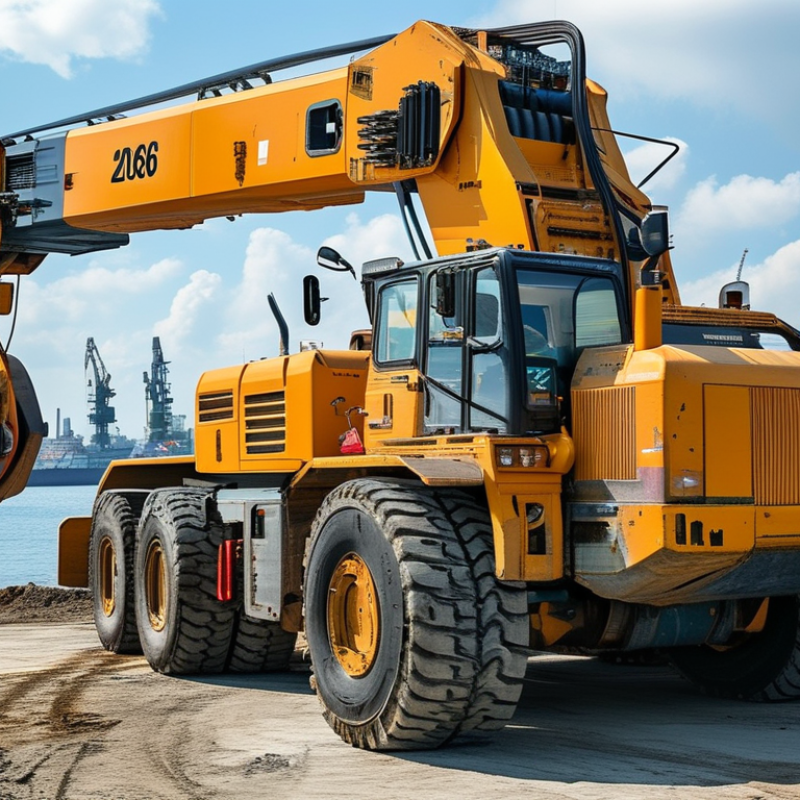
Hydraulic winches are essential tools in various industries. They utilize hydraulic power to lift and pull heavy loads with ease. The basic components of a hydraulic winch include a motor, hydraulic pump, and spool. These parts work together to provide sufficient force for lifting tasks. Understanding the mechanics can ensure better operation and maintenance.
Applications of hydraulic winches vary widely. They are commonly used in construction, marine, and forestry industries. In construction, they help in lifting heavy materials, like steel beams or concrete blocks. In marine applications, they assist in mooring boats and retrieving equipment. Each application demands specific features, such as load capacity and pull speed. Understanding these requirements helps in choosing the right winch for your needs.
While hydraulic winches are incredibly effective, they also have limitations. Improper use can lead to equipment failure or safety hazards. Regular maintenance is crucial to ensure reliability. Additionally, operator training can minimize mishaps. Recognizing these challenges can improve overall efficiency and safety in operations.
Key Features to Consider When Buying a Hydraulic Winch
When considering a hydraulic winch, efficiency is crucial. You should evaluate its pulling capacity. This factor determines how heavy a load the winch can tackle. Look for models that specify their maximum load ratings clearly. Remember, not all winches are created equal. Some might promise high capacities but fail under pressure.
Durability is another important feature. The winch should withstand harsh environments and heavy use. Materials used in its construction play a vital role. Steel components offer strength, while corrosion-resistant coatings enhance longevity. However, heavy-duty materials can make the winch cumbersome. Balance is key; you want strength without excessive weight.
Finally, consider ease of use. A good hydraulic winch should have intuitive controls. This simplifies operation, especially for those new to winching. Check for features like wireless remotes or automatic shut-off systems. These improve safety and convenience. Reflect on your specific needs and how often you'll use the winch. This can guide your decisions and ensure you choose wisely.
Comparative Analysis of Leading Hydraulic Winch Brands in 2026
When evaluating hydraulic winches in 2026, it’s vital to understand the strengths and weaknesses of various leading brands. Many companies offer innovative features. However, not all models live up to their claims. Comparative analyses focus on key aspects such as pulling capacity, durability, and ease of use. Buyers need to watch for misleading marketing that may exaggerate performance.
Tips: Always check user reviews. Real-world feedback provides insights not found in specifications. Consider the warranty and support options, too. A strong warranty often reflects a manufacturer's confidence in their product.
Another important factor is compatibility with your existing systems. Many winches come with universal fittings, but some might not. Be wary of specifications that are too good to be true. This can lead to disappointing investments. Always conduct thorough research and compare multiple models before deciding. Features that stand out today may not guarantee long-term satisfaction.
Cost Factors: Budgeting for Your Hydraulic Winch Purchase
When planning to buy a hydraulic winch, budgeting is key. Knowing the cost factors will help you make an informed decision. Prices can vary significantly based on size, power, and features. Small winches may start at low costs, but larger models may run into thousands.
One tip for budgeting is to consider additional expenses. Installation costs can add up. Maintenance and spare parts should also be factored into your budget. A winch requiring expensive upkeep may not be a bargain in the long run.
It's essential to reflect on your specific needs. A more powerful winch isn’t always necessary. Consider what you intend to lift and how often you’ll use it. Sometimes, a modest winch could suffice, saving you money. Choose wisely for long-term satisfaction.
2026 Top Hydraulic Winch Buying Guide for Global Buyers - Cost Factors: Budgeting for Your Hydraulic Winch Purchase
| Feature | Cost Factor | Estimated Price Range (USD) |
| Pulling Capacity | Higher capacity models typically cost more. | $2,000 - $10,000 |
| Material Quality | Durable materials enhance lifespan but increase cost. | $1,500 - $8,000 |
| Features (e.g., Remote Control) | Additional features can significantly affect price. | $500 - $3,000 |
| Brand Reputation | Well-known brands may charge a premium. | $2,500 - $12,000 |
| Warranty and Service | Longer warranties often lead to higher prices. | $1,000 - $5,000 |
Maintenance Tips for Longevity and Efficiency of Hydraulic Winches
Maintaining a hydraulic winch is crucial for ensuring its longevity and efficiency. Regular inspection of components like cables and gears can prevent larger issues. Pay attention to signs of wear. Noticing small frays in the cable can save time and money. Replace damaged parts promptly to avoid further complications.
Lubrication is another vital aspect. Use the correct lubricant types to ensure smooth operations. Insufficient lubrication can lead to overheating, causing damage. It's essential to check levels regularly and apply more oil as necessary. However, avoid over-lubricating, as this can attract dirt and grime.
Cleaning plays a significant role in maintenance too. Dirt and debris can affect performance. Cleaning the winch after use, especially in harsh environments, prevents buildup. Inspect seals and gaskets for cracks and replace them if needed. This attention to detail can make a significant difference over time. Regularly taking these steps helps in maximizing the performance of hydraulic winches.